21 Easy Wall Art Painting Ideas for Beginners
Blank walls can make a room feel unfinished, but you do not need advanced painting skills to create art that looks intentional. These beginner-friendly wall art painting ideas use simple shapes, easy color palettes, tape lines, repeated marks, and basic brush techniques. They work well for living rooms, bedrooms, entryways, home offices, nurseries, and small apartments where affordable art can add color, texture, and a clear focal point.
1. Soft Abstract Color Block Canvas
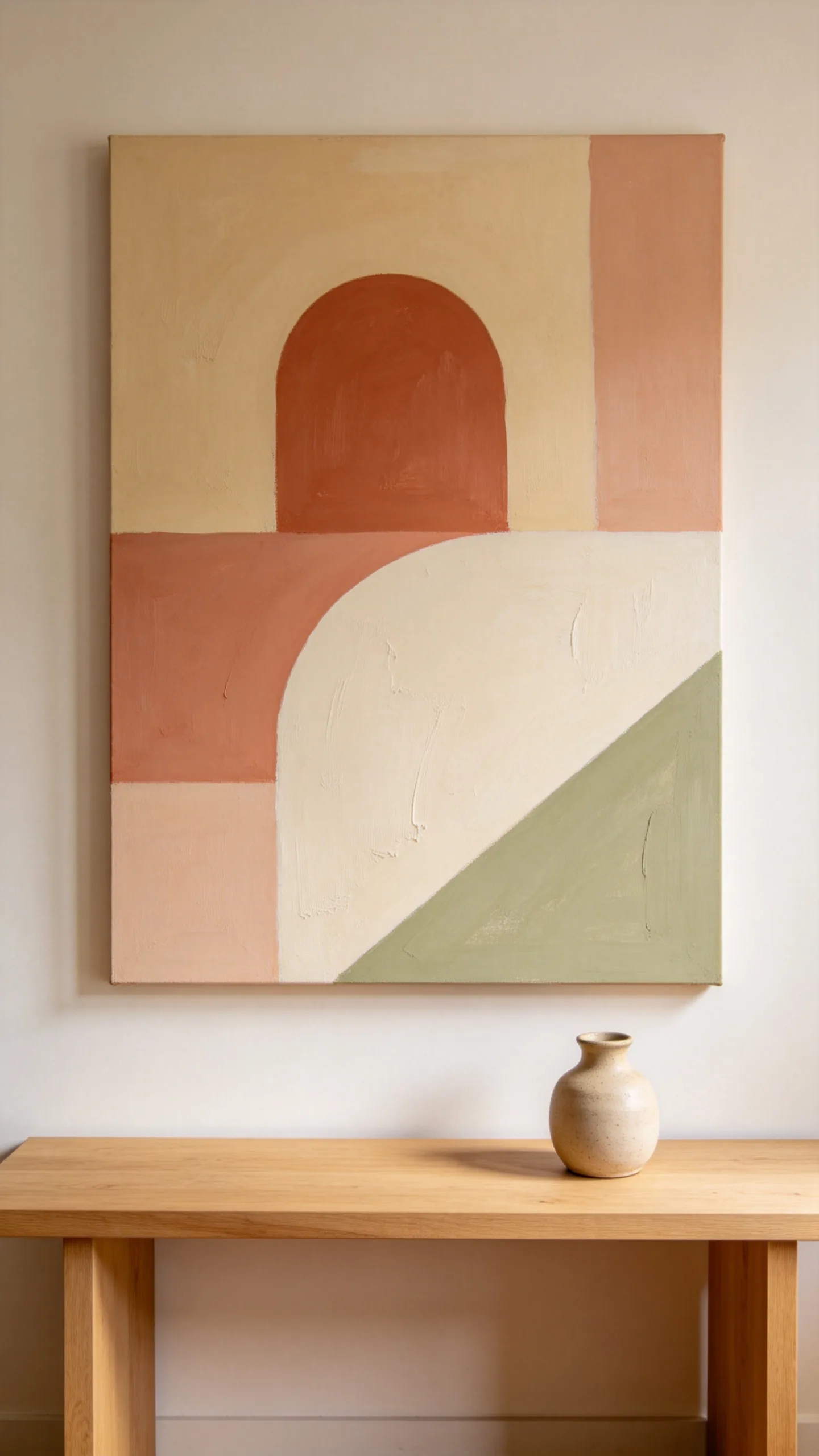
A soft abstract color block canvas is one of the easiest wall art painting ideas because it relies on large painted areas instead of detailed drawing. Choose three or four colors that already appear in your room, such as beige, terracotta, cream, and muted sage for a warm living room or blush, ivory, and taupe for a calm bedroom.
Use painter’s tape to divide the canvas into simple blocks, arches, or angled sections. Paint each shape with a flat brush or foam brush, letting the colors overlap slightly if you want a softer handmade look. This style works especially well above a sofa, console table, or bed because the large shapes are easy to see from across the room.
For a polished finish, keep the background light if your room has dark furniture, or use deeper colors if your wall is white and needs contrast. A medium or large canvas gives the design more presence without requiring extra painting skill.
2. Minimal Line Face Painting
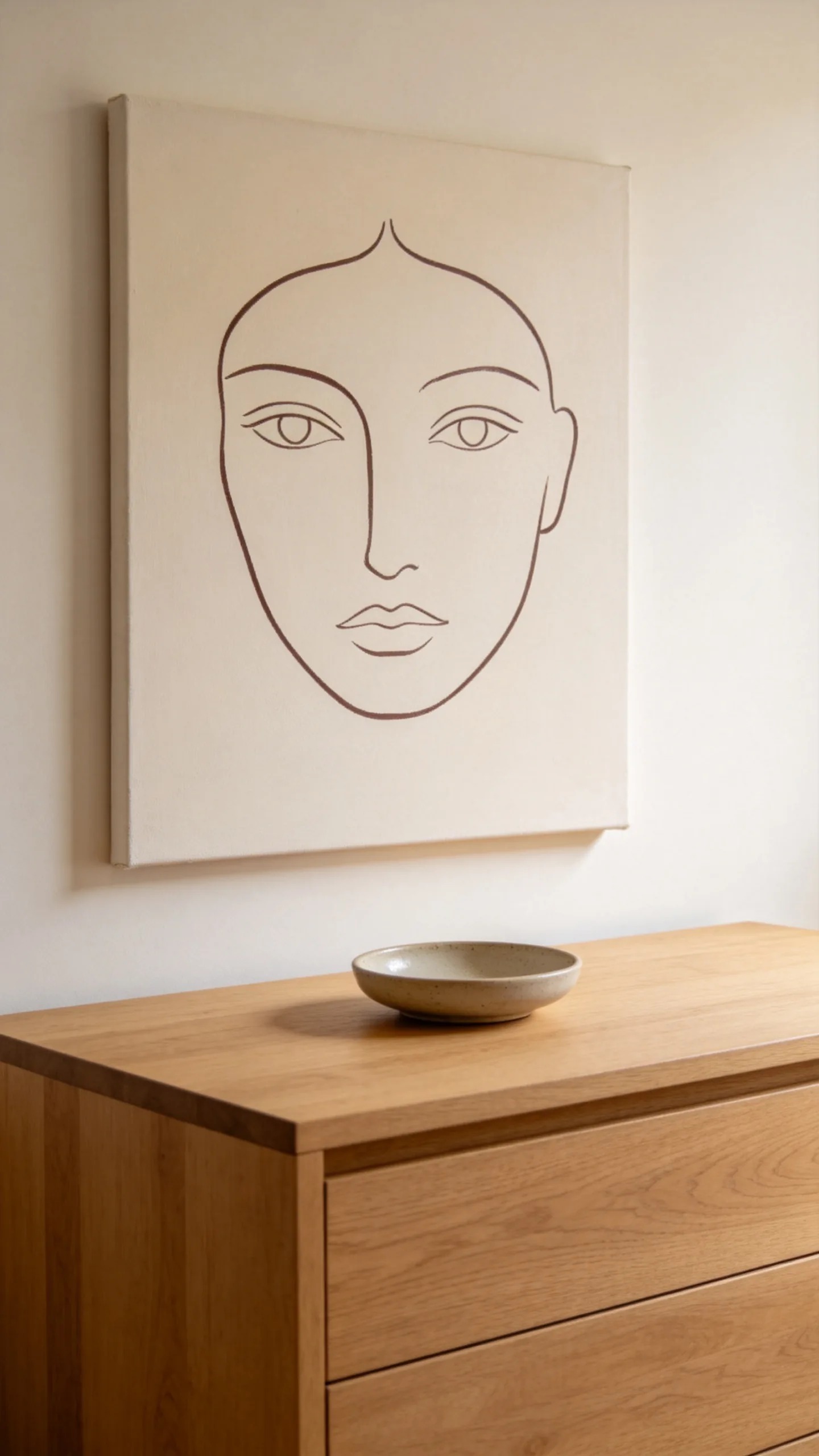
A minimal line face painting creates a modern gallery-style look with only a few continuous lines. Start with a plain white, cream, or pale gray canvas, then use a thin round brush or paint marker to draw a simple face outline, profile, or abstract figure.
This idea suits bedrooms, dressing corners, vanity areas, and home offices because it feels artistic without being visually busy. If your decor includes black metal frames, white walls, and light wood furniture, a black line drawing can tie the room together. For softer decor, try charcoal, warm brown, or muted clay instead of stark black.
Beginners can sketch lightly with pencil before painting. Keep the lines loose rather than perfect, and leave plenty of blank space around the figure so the piece feels clean and intentional.
3. Painted Arch Wall Art Panel
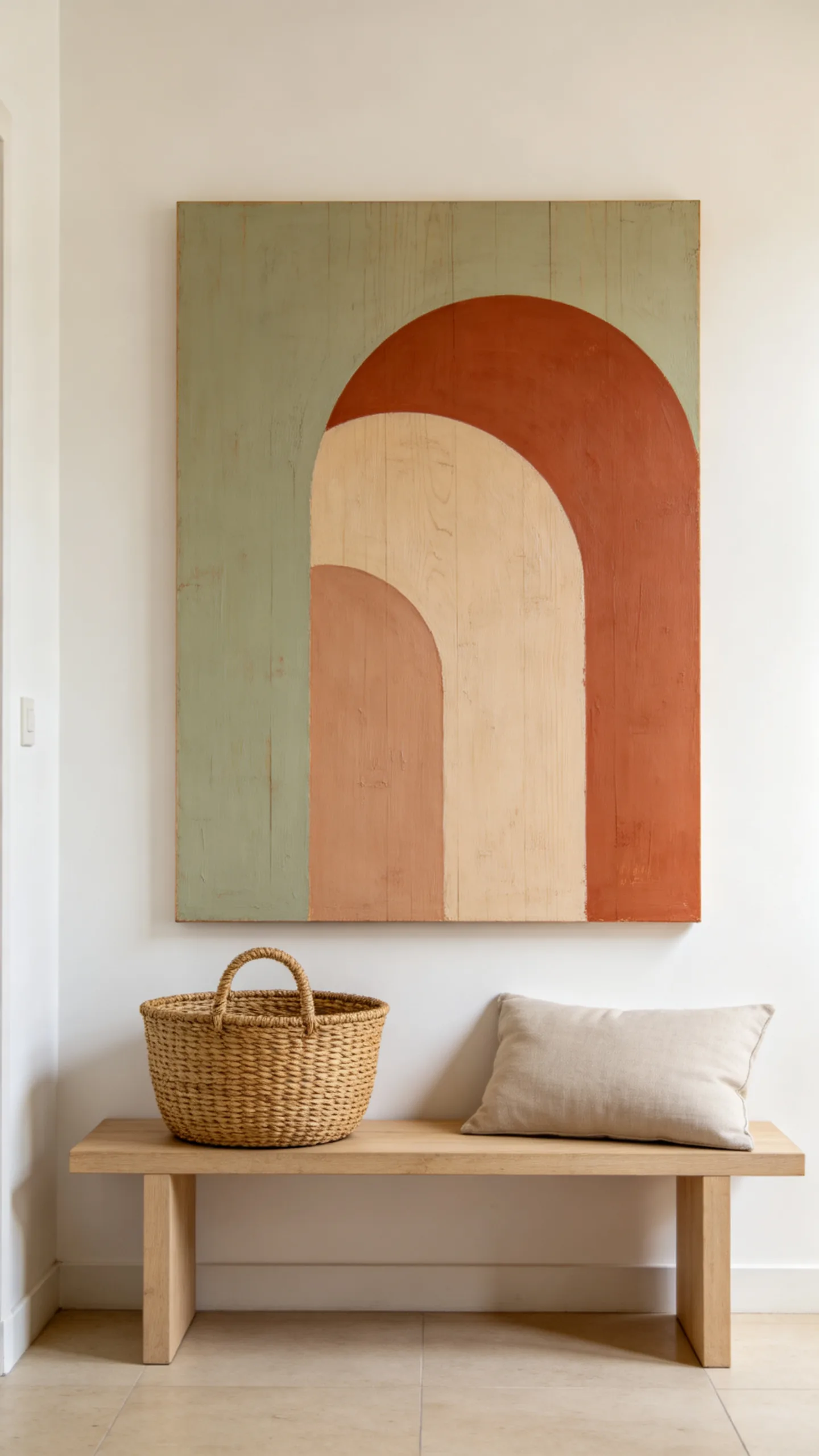
A painted arch on canvas or wood panel brings the look of architectural decor without painting directly on the wall. Use a large canvas, a piece of primed plywood, or a framed art board, then paint one or two rounded arch shapes in soft, earthy colors.
This works beautifully in an entryway, nursery, or bedroom where you want a gentle focal point. Try a sand-colored background with a terracotta arch, or a warm white background with a sage green arch. The rounded shape softens boxy furniture like nightstands, dressers, and storage benches.
To make the arch even, trace around a large bowl, plate, or string-and-pencil guide for the top curve, then use painter’s tape for the straight sides. Style the finished piece above a small console, leaning on a shelf, or centered over a bed with matching bedside lamps.
4. Simple Botanical Leaf Silhouettes
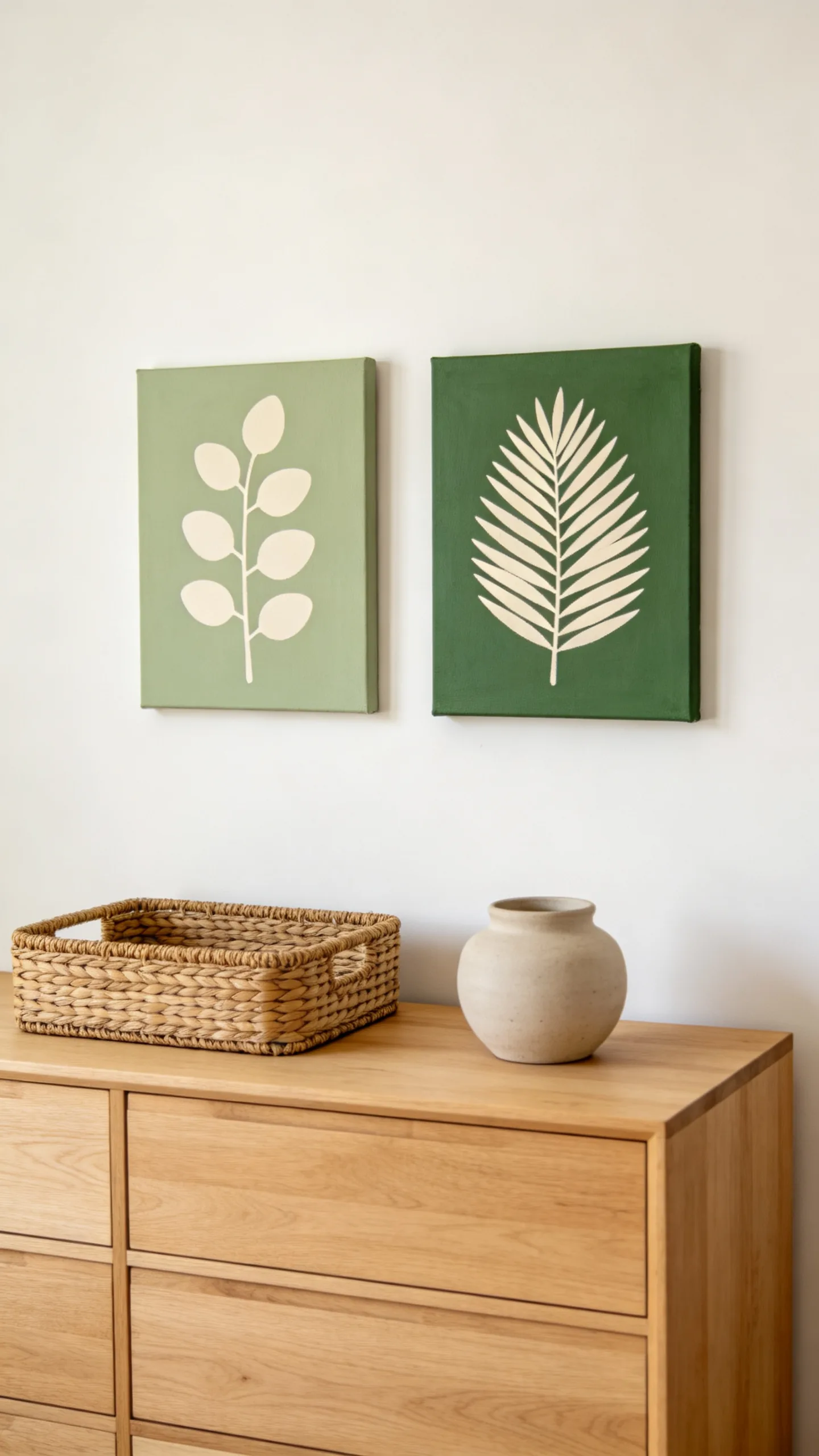
Botanical leaf silhouettes are beginner-friendly because they use simple outlines rather than realistic plant details. Paint a solid background first, then add long stems, oval leaves, palm fronds, or eucalyptus shapes in a contrasting color.
This idea is especially useful for bathrooms, sunrooms, kitchens, and bedrooms where natural decor feels fresh. A sage background with cream leaves works well with wood shelves and woven baskets. A deep green canvas with white leaf silhouettes can add contrast to a neutral wall.
Use a small round brush for stems and a flat brush for leaves. If freehand painting feels difficult, lightly sketch the stems first or use real leaves as loose references. Group two or three small canvases together for a simple gallery wall above a dresser, towel hooks, or breakfast nook bench.
5. Painter’s Tape Geometric Wall Art
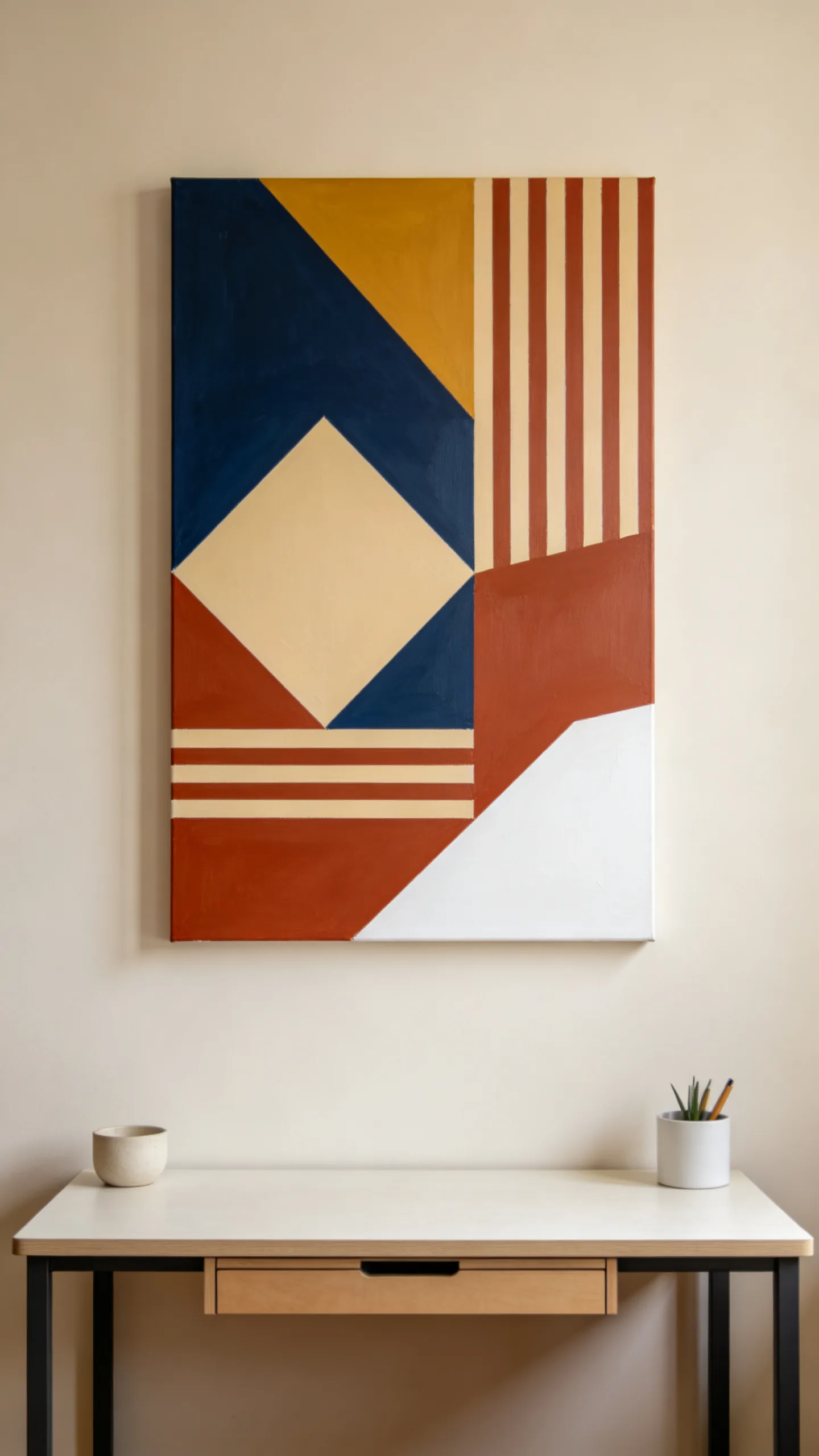
Painter’s tape geometric art is ideal for beginners because the tape creates crisp lines for you. Arrange tape across a canvas in triangles, diamonds, stripes, or uneven modern shapes, then fill each section with a different color.
This style works well in a living room, hallway, teen bedroom, or home office because it adds structure and color without requiring drawing skills. Choose colors based on nearby decor: navy, mustard, and white for a bold office; beige, rust, and black for a modern living room; or lavender, cream, and blush for a softer bedroom.
Remove the tape while the paint is still slightly damp to avoid peeling. For a more refined look, leave some sections as raw canvas or paint the entire background white before adding the taped design.
6. Ombre Sunset Canvas
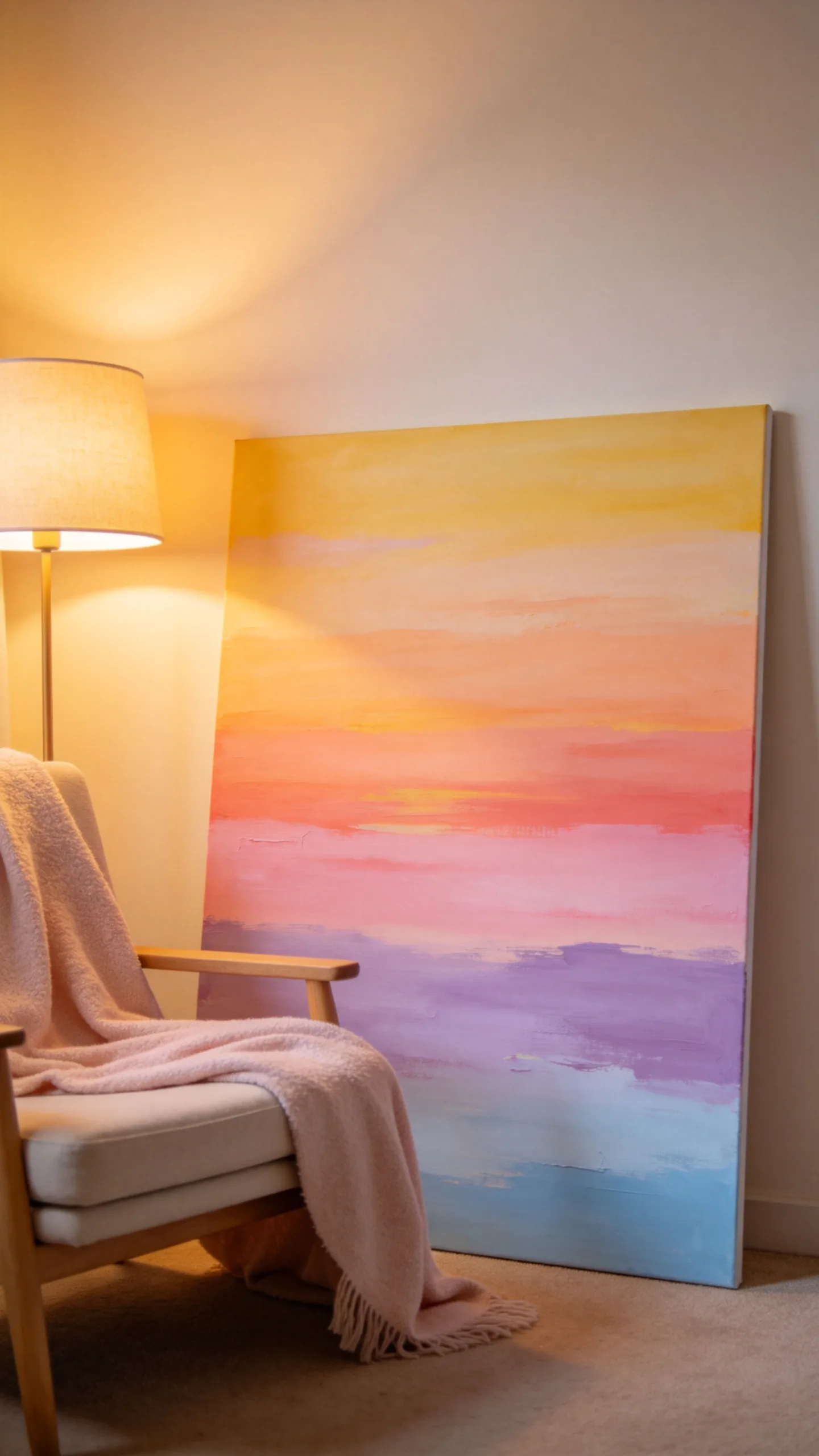
An ombre sunset canvas uses blended bands of color to create a soft, relaxing focal point. Start with yellow or peach near the center, then blend into coral, pink, lavender, or pale blue toward the edges.
This painting idea is a good choice for bedrooms, reading corners, nurseries, or small living rooms where you want warmth without strong patterns. A horizontal sunset canvas can visually widen a narrow wall above a bed or sofa, while a vertical version can fill space between two windows or beside a dresser.
Use a wide brush and work while the paint is wet, blending each color band into the next with horizontal strokes. The result does not need to be perfect; uneven blending often makes the piece feel softer and more natural.
7. Black and White Abstract Brushstroke Art
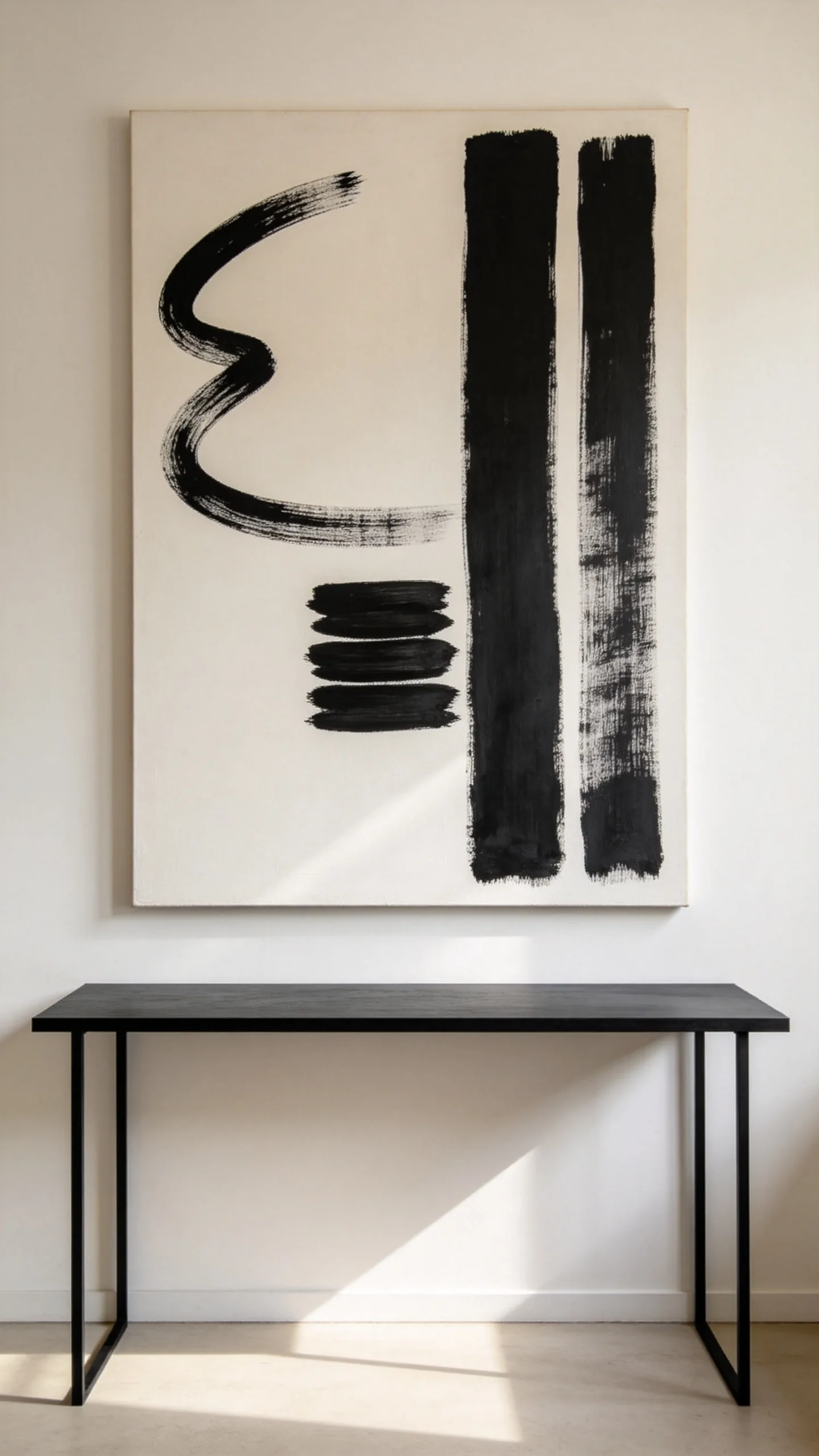
Black and white brushstroke art is simple, high contrast, and easy to match with many decor styles. Paint a white or off-white background, then add bold black strokes using a wide brush, palette knife, or even a sponge.
This idea works well in modern living rooms, entryways, dining rooms, and home offices with neutral walls. It can balance black picture frames, metal lamps, dark cabinet hardware, or a black coffee table. In small spaces, keep the canvas background mostly white so the artwork adds interest without making the wall feel heavy.
Try loose curves, stacked marks, thick vertical strokes, or a few oversized swoops. Stop before the canvas feels crowded; the blank space is what makes this type of wall art look intentional.
8. Muted Rainbow Wall Painting
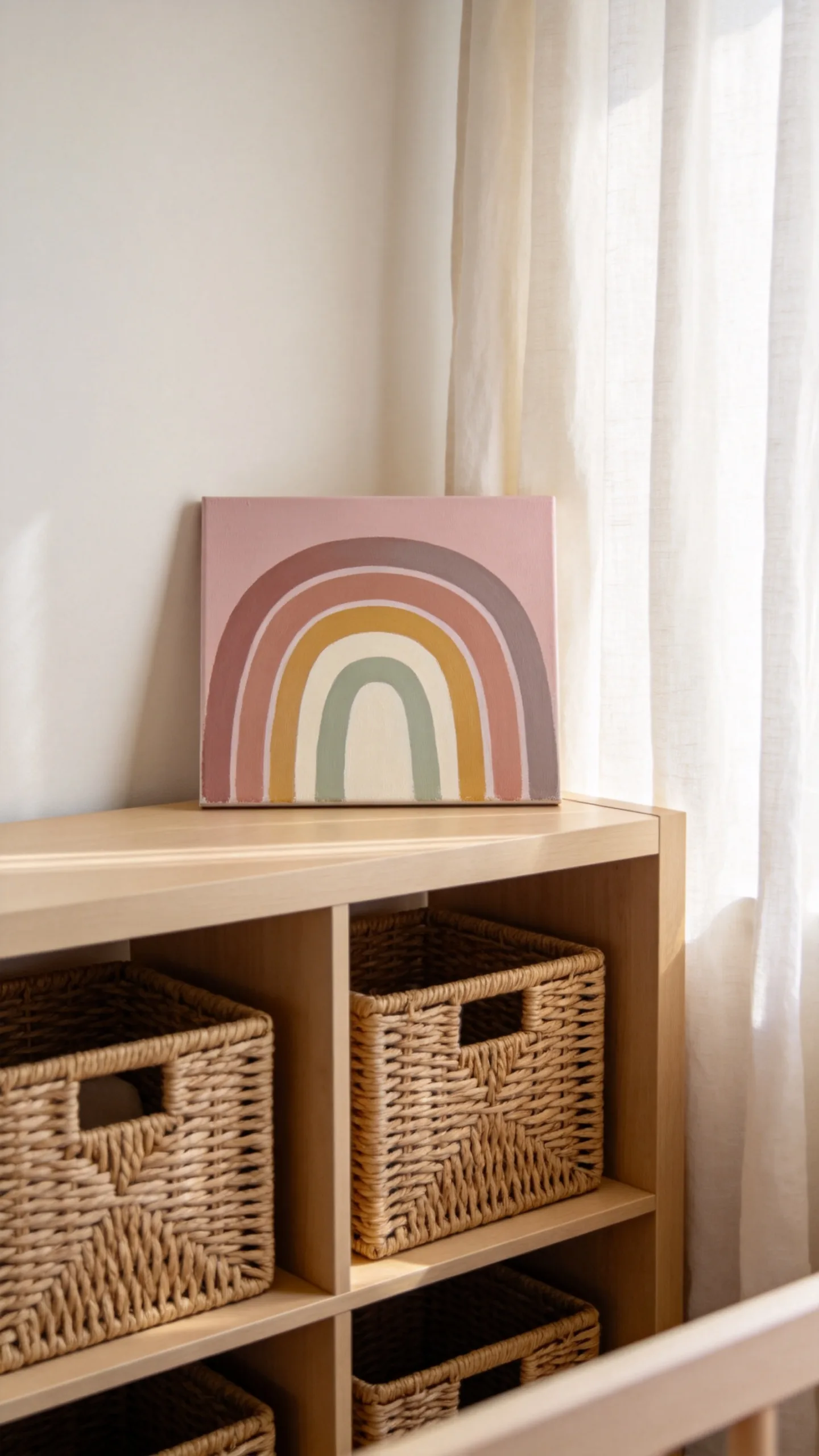
A muted rainbow painting adds charm without feeling overly bright. Instead of primary colors, use dusty rose, clay, mustard, sage, cream, and taupe. Paint simple curved bands on canvas, paper, or a small wood panel.
This idea is perfect for nurseries, kids’ rooms, playrooms, or cheerful bedroom corners. It also works in a hallway or laundry room if you want a small dose of color. Pair it with natural materials like cane baskets, white shelves, light wood frames, or cotton curtains.
Use a pencil to sketch the rainbow arches first, then paint each band with a small flat brush. Leave a little space between bands for a clean handmade style, or let the colors touch for a softer painted look.
9. Easy Mountain Landscape Painting
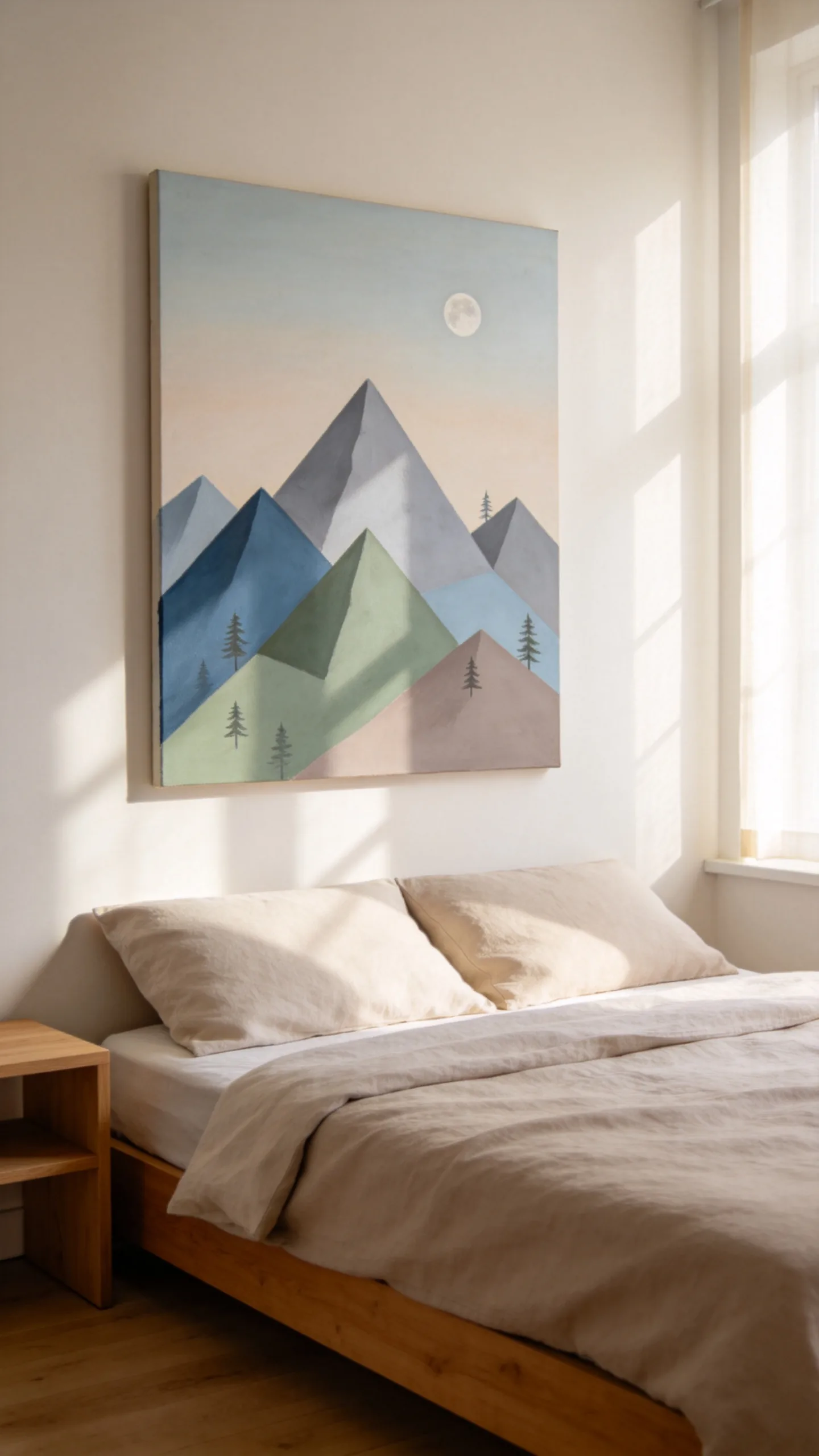
A simple mountain landscape can be made with layered triangle shapes and soft color gradients. Begin with a pale sky background, then paint mountain layers in progressively darker shades of blue, gray, green, or taupe.
This wall art idea is great for bedrooms, cabins, home offices, and living rooms with nature-inspired decor. It can add depth to a plain wall without requiring realistic landscape skills. A wide canvas above a bed or sofa works especially well because the horizontal mountain layers create a calm sightline.
Keep the details minimal. Add a small moon, a few pine tree silhouettes, or a soft misty line if you want extra interest. Avoid overworking the piece; simple layers often look more modern and beginner-friendly.
10. Textured Neutral Plaster-Style Canvas
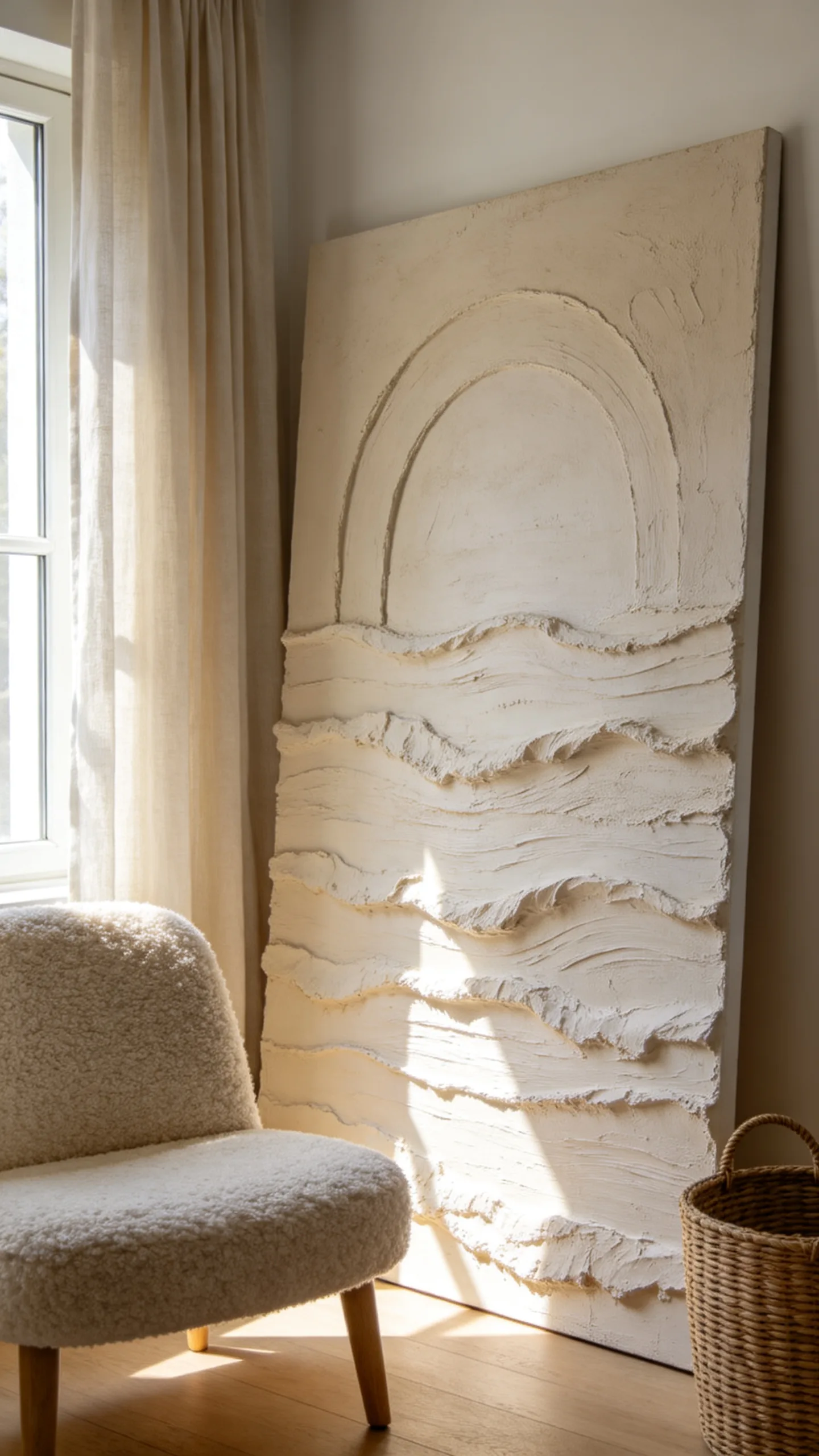
A textured neutral canvas can make a room feel layered even when the color palette is simple. Use acrylic paint mixed with modeling paste, joint compound, or thick texture medium to create raised strokes across the surface.
This idea suits minimalist living rooms, bedrooms, dining rooms, and entryways where you want texture instead of strong color. Warm white, oatmeal, greige, clay, and soft beige look beautiful with linen curtains, boucle chairs, rattan baskets, and light oak furniture.
Apply the texture with a palette knife, old credit card, or wide putty knife. Create soft waves, arches, rough horizontal strokes, or uneven blocks. Let it dry completely before hanging, and consider placing it where side lighting from a lamp or window can highlight the raised surface.
11. Polka Dot Pattern Canvas
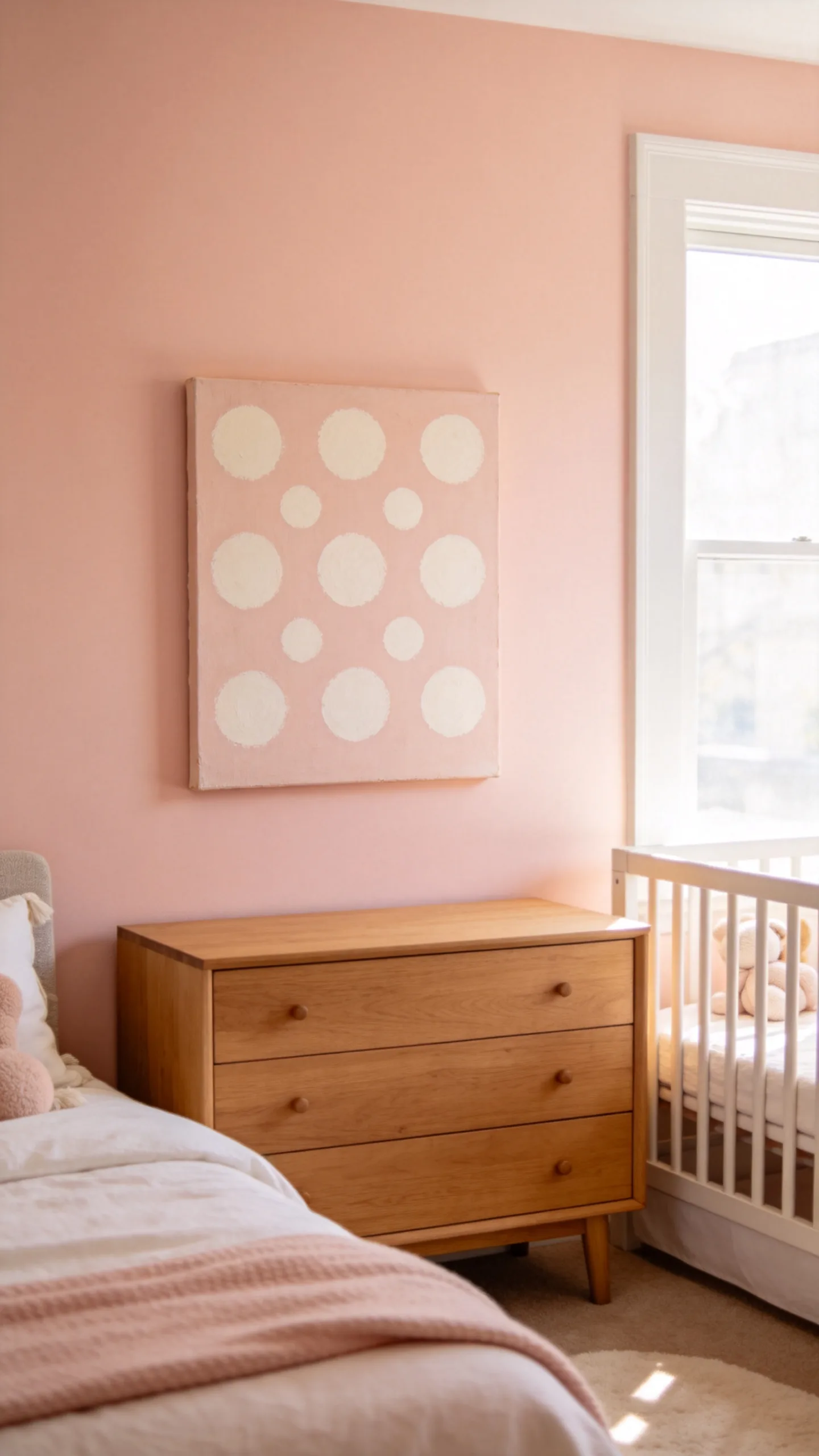
A polka dot canvas is playful, simple, and easy to customize for different rooms. Use a pencil eraser, round sponge, bottle cap, or dotting tool to stamp repeated circles onto a painted background.
For a nursery or child’s bedroom, try cream dots on blush, blue, sage, or soft yellow. For a modern entryway or office, use black dots on white or tan dots on a warm neutral background. Smaller dots feel delicate, while oversized dots make a bolder statement above a dresser or small bench.
Keep the spacing even if you want a clean pattern, or scatter the dots loosely for a more organic look. This is also a good option for creating a pair of matching canvases to hang side by side.
12. Simple Floral Vase Painting
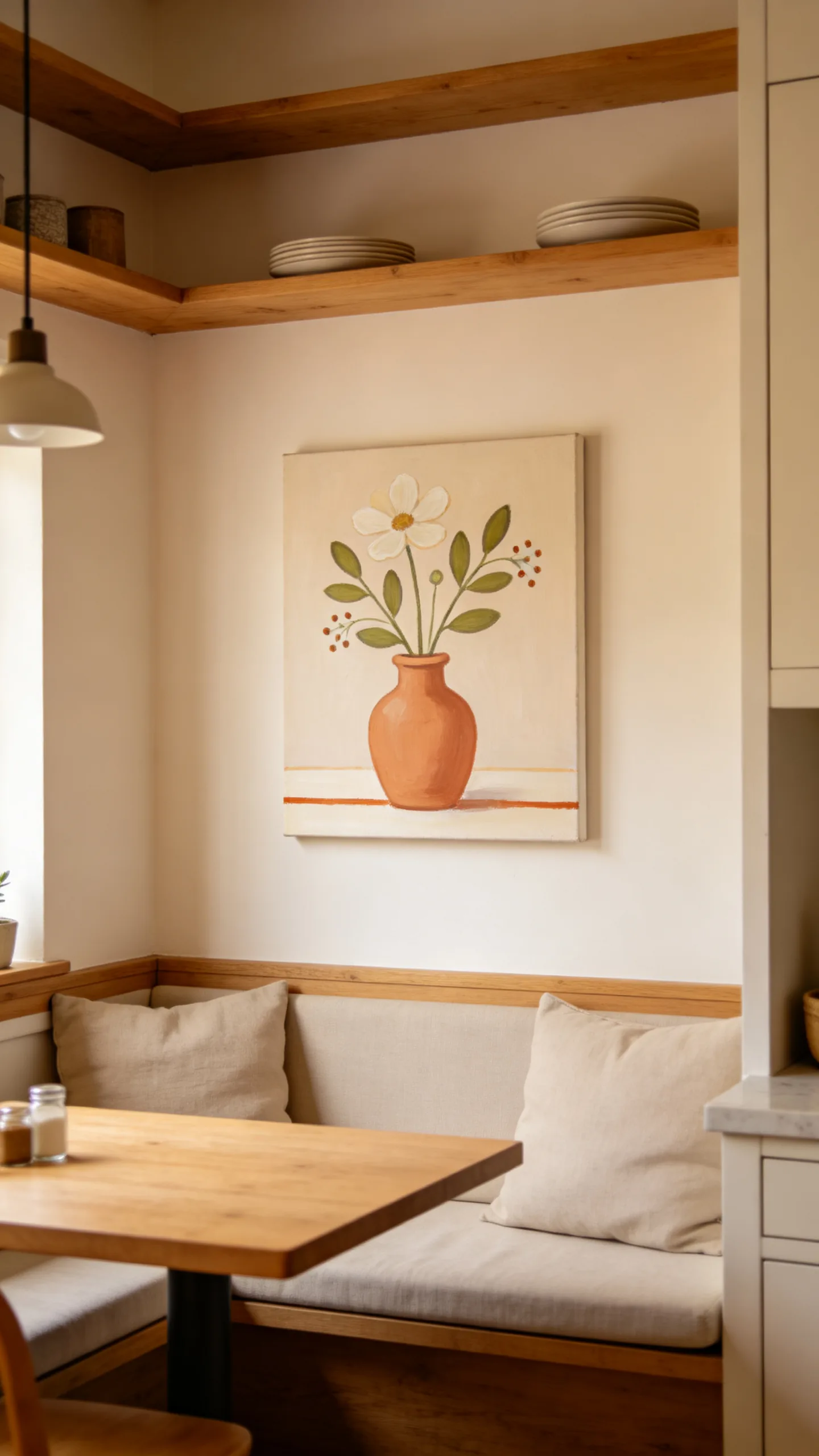
A floral vase painting gives a bedroom, kitchen, or dining nook a handmade cottage-style touch. Paint a basic vase shape first, then add simple stems, dots, petals, and leaves without worrying about realistic details.
Choose colors that connect to your room’s textiles. For example, if your bedroom has a cream duvet and dusty blue pillows, paint a tan vase with blue and white flowers. If your kitchen has warm wood shelves, try a terracotta vase with olive green stems.
The vase can be centered on a small canvas or placed slightly off-center for a modern look. Add a painted tabletop line near the bottom if you want the arrangement to feel grounded, especially when hanging it above a sideboard or breakfast nook.
13. Monochrome Shape Study
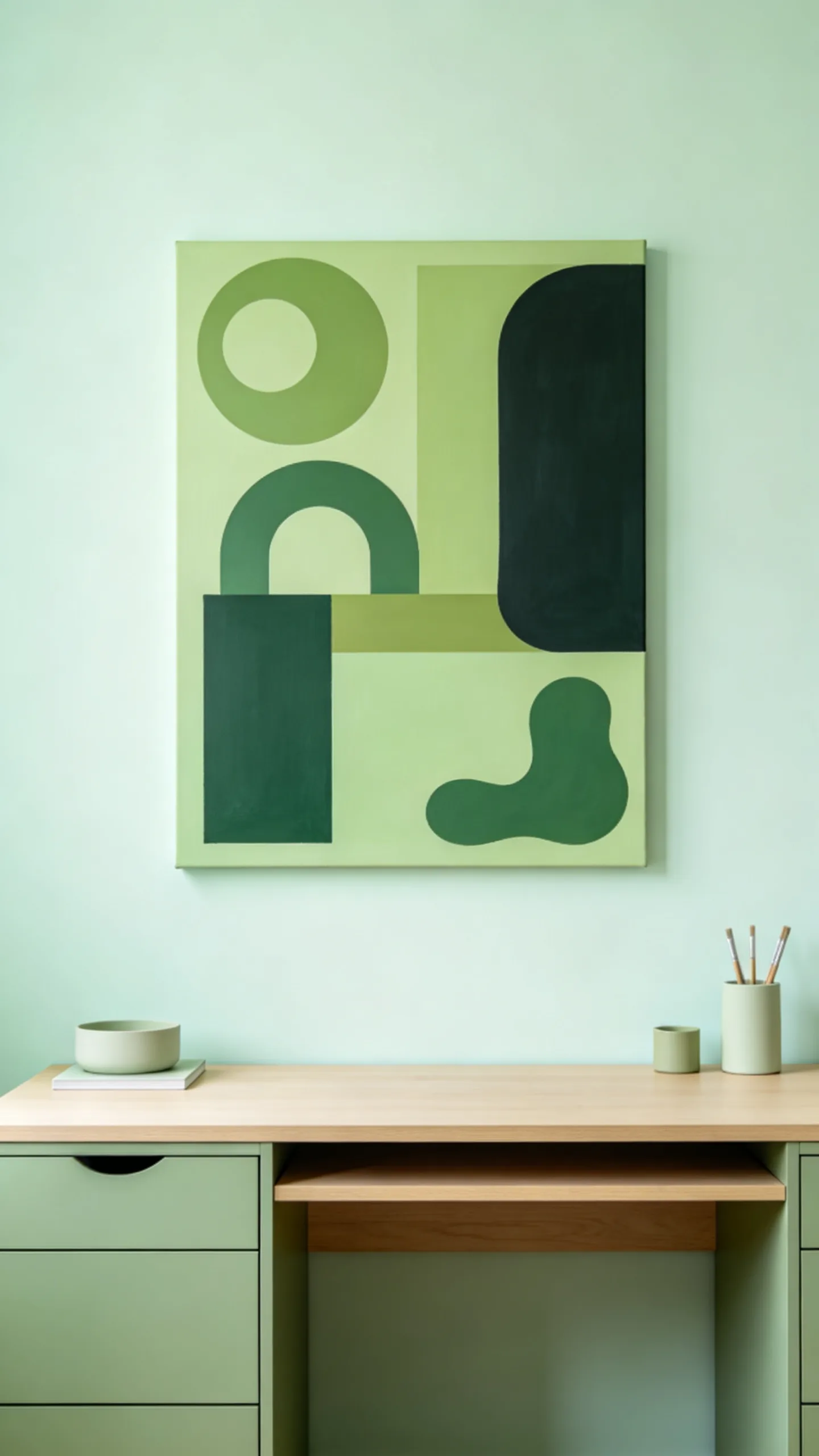
A monochrome shape study uses one color family in several shades, making it easy to coordinate with your home decor. Pick navy, green, brown, pink, or gray, then paint circles, arches, rectangles, and loose organic shapes in light, medium, and dark tones.
This idea is useful when you want wall art that feels calm and cohesive. In a small bedroom or apartment living room, a monochrome palette can add interest without creating visual clutter. It also works well above a desk because the limited colors feel less distracting.
Create balance by spreading the darkest shade in two or three places rather than placing it all on one side. Leave some background visible to keep the artwork airy.
14. Checkerboard Accent Painting
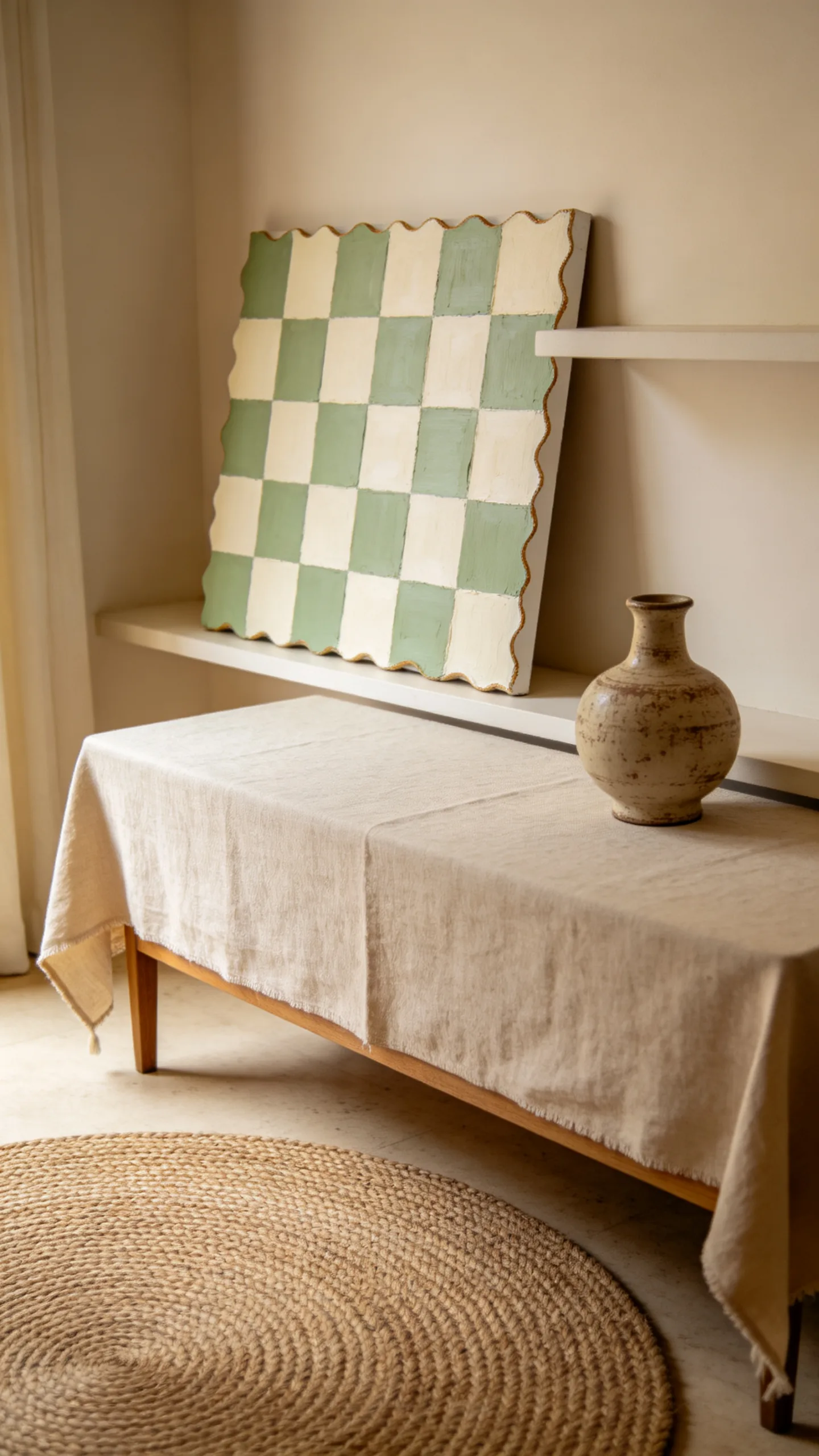
A checkerboard painting is trendy, graphic, and simple to build with straight lines. Use painter’s tape or a ruler to create a grid, then fill alternating squares with two colors.
For a playful room, choose soft pink and cream, sage and white, or butter yellow and beige. For a modern hallway or office, try black and ivory, chocolate and tan, or olive and cream. A small checkerboard canvas looks great leaned on a shelf, while a larger version can anchor a wall above a console table.
The squares do not need to be perfectly sharp if you prefer a handmade look. Slightly wavy lines can make the piece feel more relaxed and artistic, especially in casual spaces with woven rugs, linen textiles, and vintage furniture.
15. Gold Leaf-Inspired Metallic Accent Art
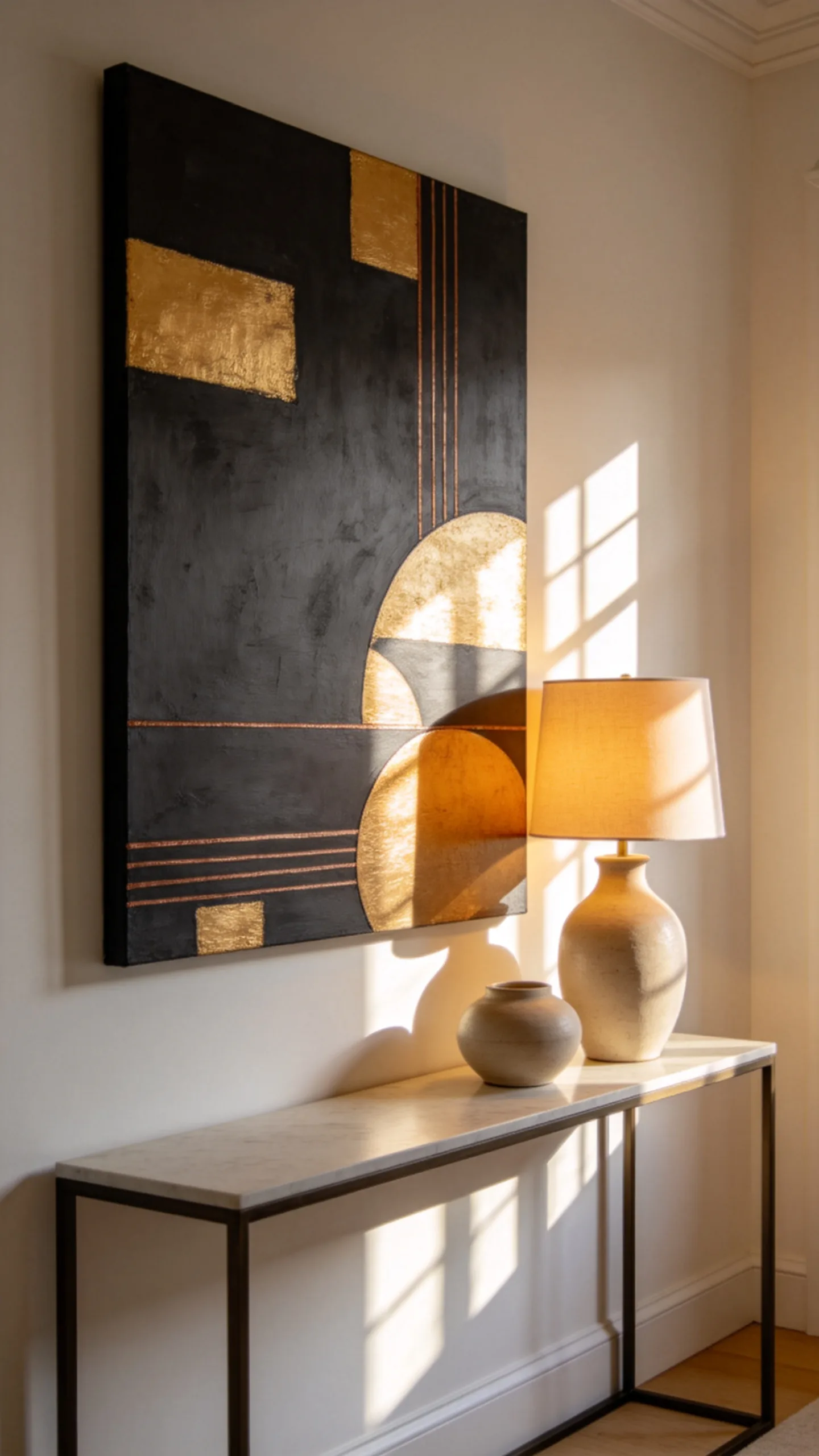
Metallic accent art can brighten a wall by catching light from windows, sconces, or table lamps. Start with a neutral or dark painted background, then add gold, bronze, or copper paint in irregular patches, lines, or half-circle shapes.
This idea works well in dining rooms, bedrooms, powder rooms, and entryways where you want a small reflective detail. A charcoal background with gold marks can look dramatic over a console, while a cream background with champagne gold accents feels softer above a nightstand.
Use metallic acrylic paint for an easy beginner version, or apply faux gold leaf if you want more texture. Keep the metallic areas limited so the piece looks styled rather than overpowering.
16. Two-Color Abstract Wave Painting
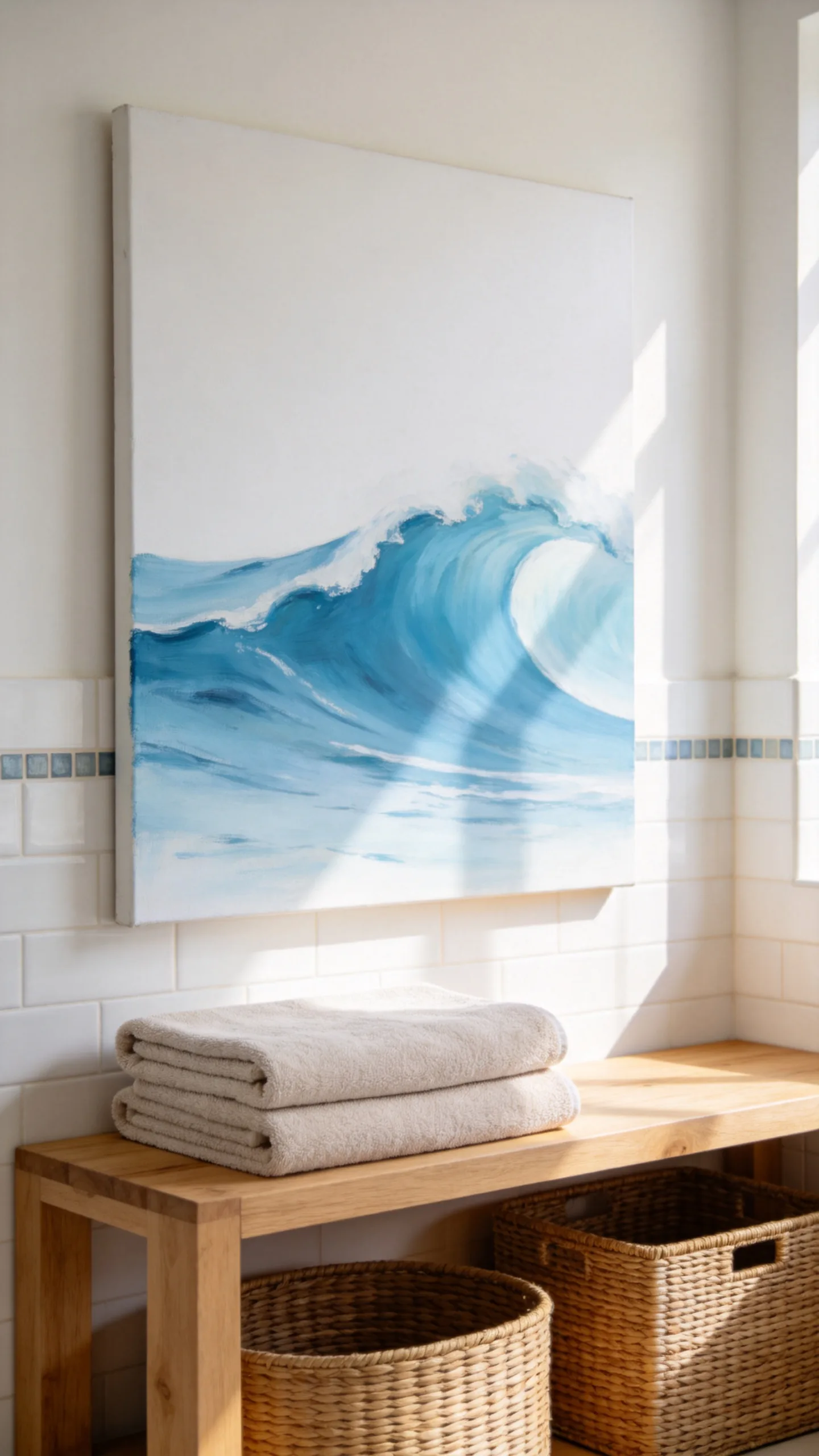
A two-color wave painting is a simple way to add movement to a plain wall. Paint a light background, then add one or two flowing wave shapes across the canvas in a contrasting color.
This style is ideal for bathrooms, bedrooms, laundry rooms, or coastal-inspired living areas. Soft blue and white can feel fresh near towels and tile, while tan and cream work well with wood furniture and woven storage. A long horizontal canvas can make a narrow room feel wider because the eye follows the wave across the wall.
Sketch the wave lightly first, then fill it in with a flat brush. For a softer edge, blend the wave color slightly into the background while both paints are still damp.
17. Easy Moon Phase Wall Art
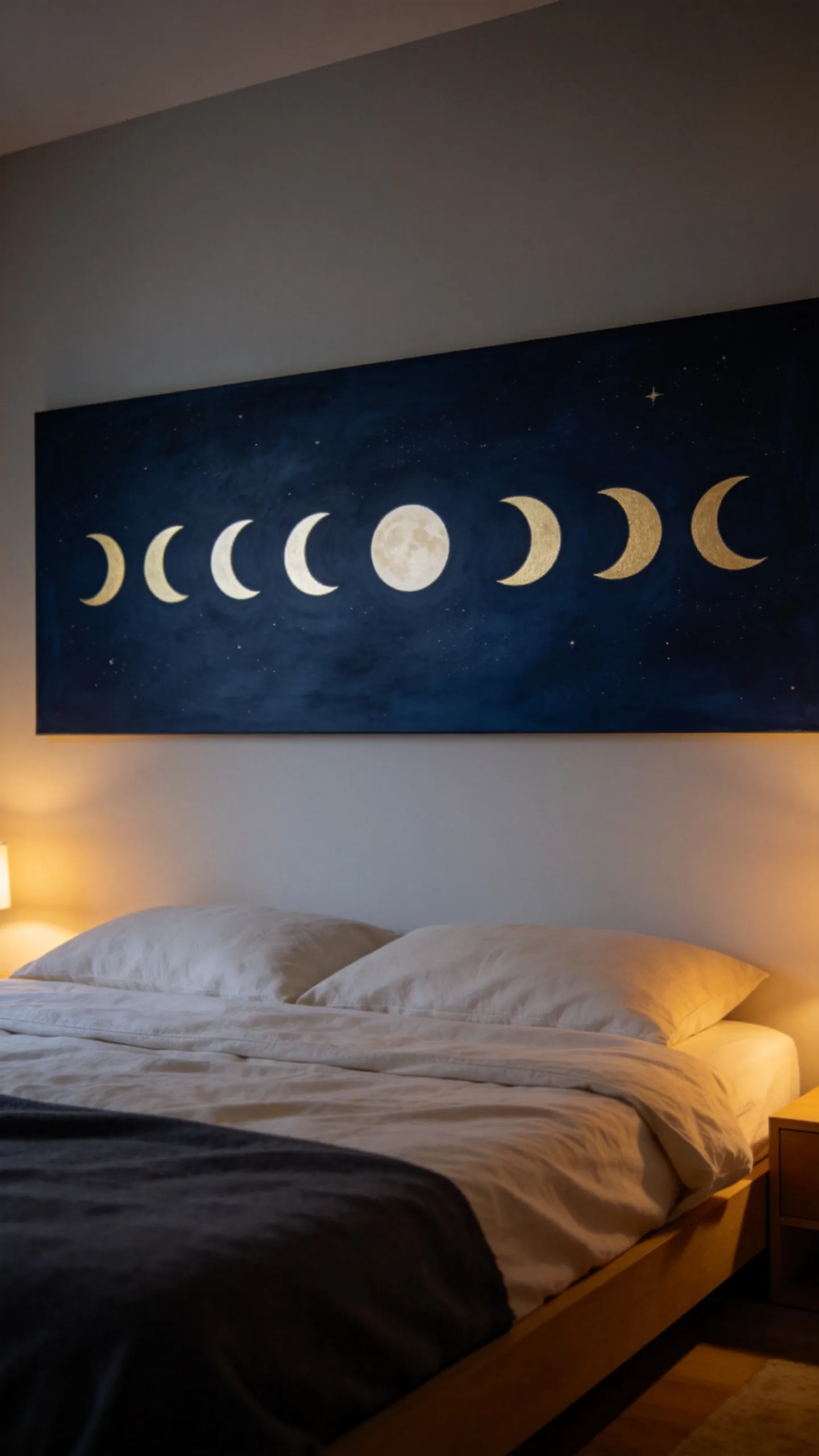
Moon phase wall art is beginner-friendly because it uses repeated circles and simple shapes. Paint a dark navy, charcoal, or black background, then add moons in white, cream, silver, or pale gold across the canvas.
This idea suits bedrooms, meditation corners, reading nooks, and home offices with moody or celestial decor. It looks especially good above a bed, desk, or narrow console because the horizontal moon sequence creates a clean line.
Use a round sponge or jar lid to create the full moon shape, then paint over parts of the circles with the background color to make crescents and half moons. Keep the spacing even for a neat, graphic result.
18. Abstract Terrazzo Dot Painting
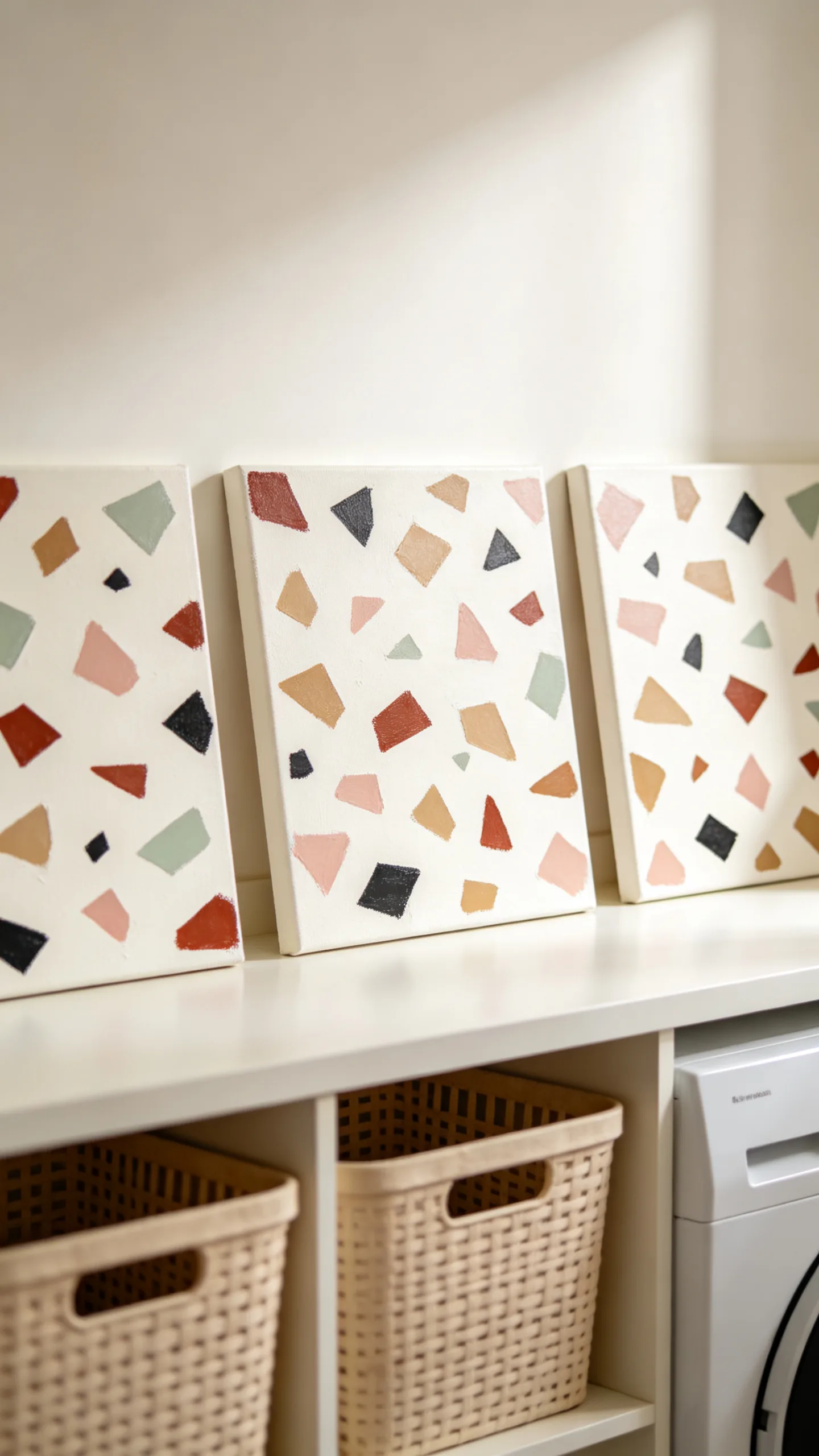
A terrazzo-inspired painting uses scattered chips of color to mimic the look of terrazzo stone. Paint a light background, then add small irregular shapes in two to five colors using a small brush.
This is a great wall art painting idea for kitchens, bathrooms, laundry rooms, or modern entryways because it feels fresh and patterned without being too formal. Try cream with sage, rust, tan, and black chips for a warm neutral home, or white with blue, gray, and blush for a softer palette.
Vary the size and angle of each chip so the pattern looks natural. A set of two or three small terrazzo canvases can fill a narrow wall without overwhelming the space.
19. Painted Frame Within a Canvas
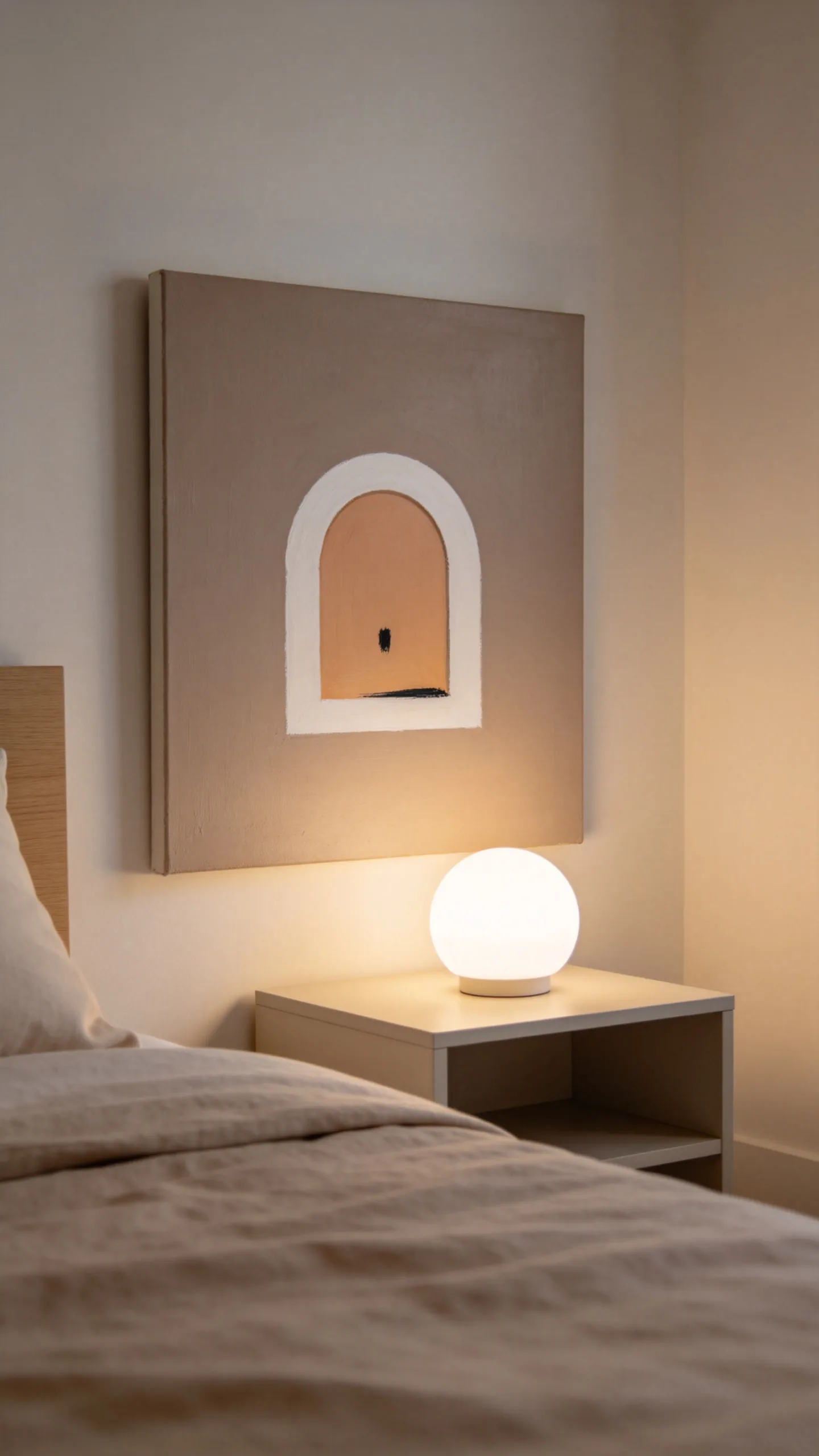
A painted frame within a canvas creates the look of layered art without needing extra materials. Paint the full canvas one color, then add a smaller rectangle, oval, arch, or circle in the center like an inner frame.
This idea works well for entryways, bedrooms, and living rooms where you want simple art with structure. Use a cream outer area with a clay inner shape, a taupe outer area with a black center, or a sage outer area with a warm white center. You can leave the center plain or add a tiny line drawing, flower, or brushstroke.
The built-in border makes the artwork feel finished, especially if you are not using a physical frame. Hang it above a nightstand, small dresser, or reading chair for a quiet focal point.
20. Striped Linen-Inspired Wall Art
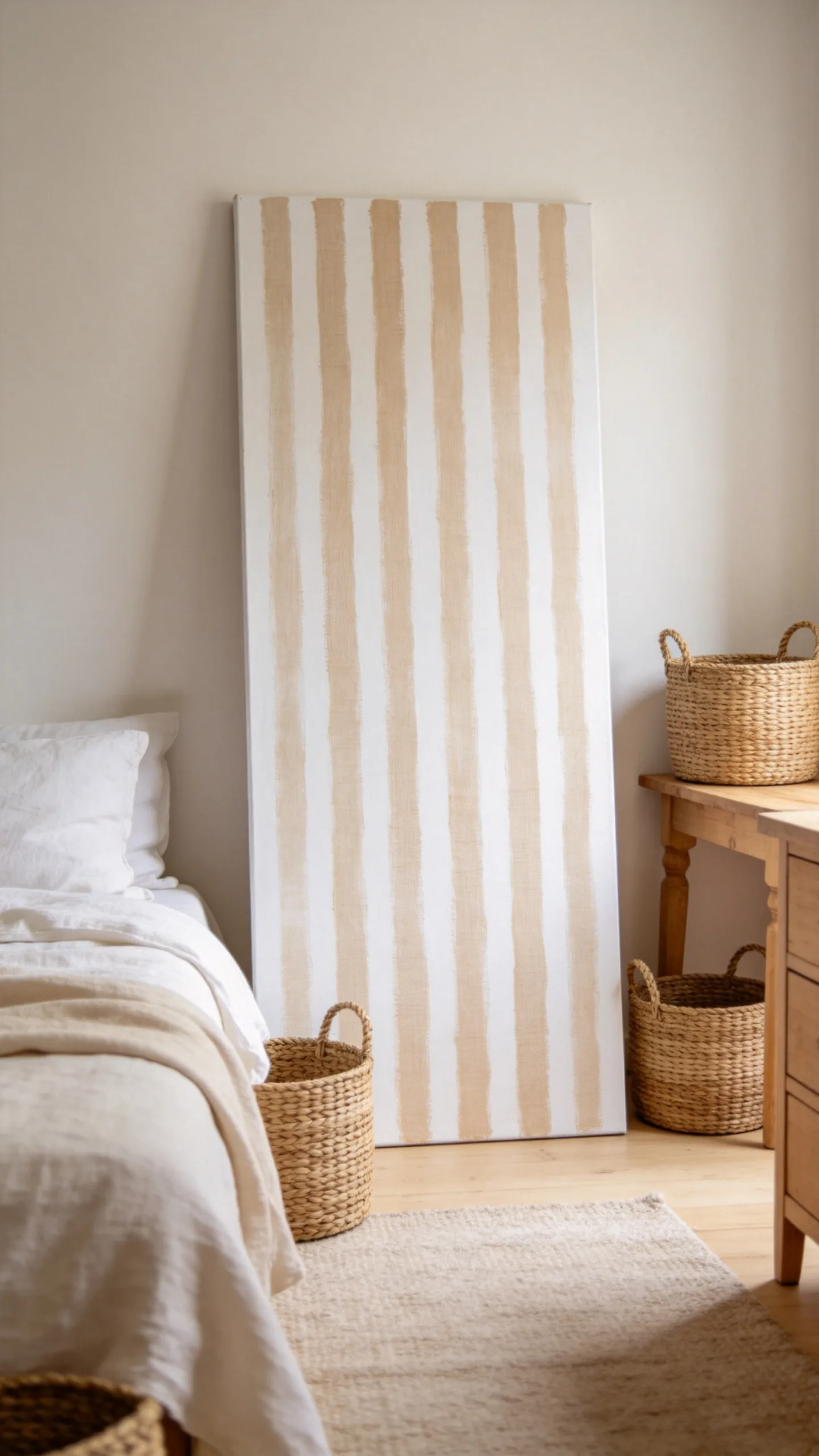
Striped linen-inspired art is easy to paint and works with many home styles. Use soft, slightly uneven vertical or horizontal stripes to mimic the relaxed look of fabric.
This idea is practical for bedrooms, bathrooms, and coastal or farmhouse living rooms. Thin beige stripes on a white background feel airy, while wider olive, navy, or terracotta stripes add more contrast. Vertical stripes can make a low wall feel taller, while horizontal stripes can help a narrow wall appear wider.
Use painter’s tape for crisp lines or freehand the stripes for a softer textile effect. Pair the finished piece with linen bedding, woven baskets, wood frames, or a neutral rug to make it feel connected to the room.
21. Mini Gallery Set of Coordinated Abstracts
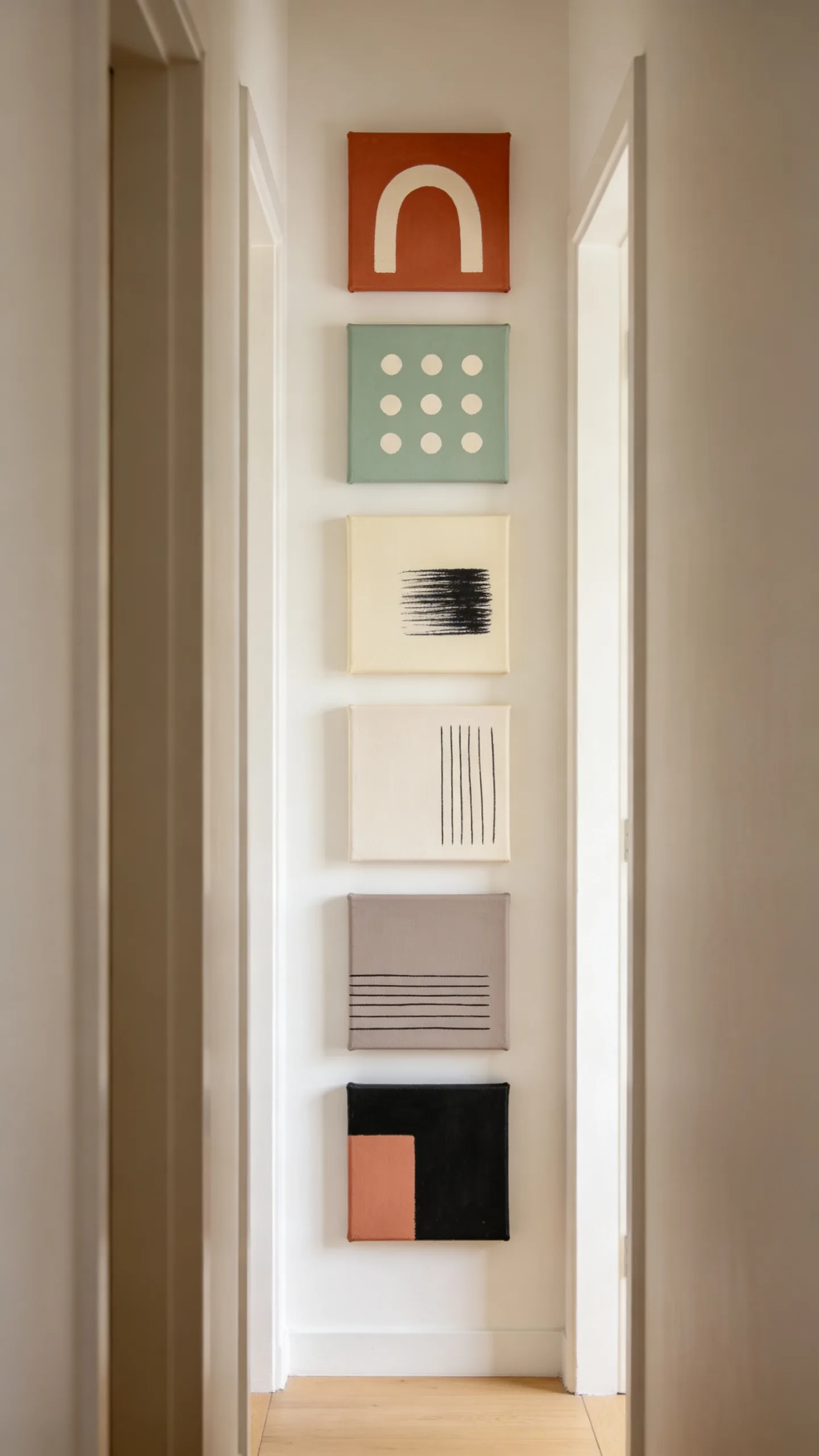
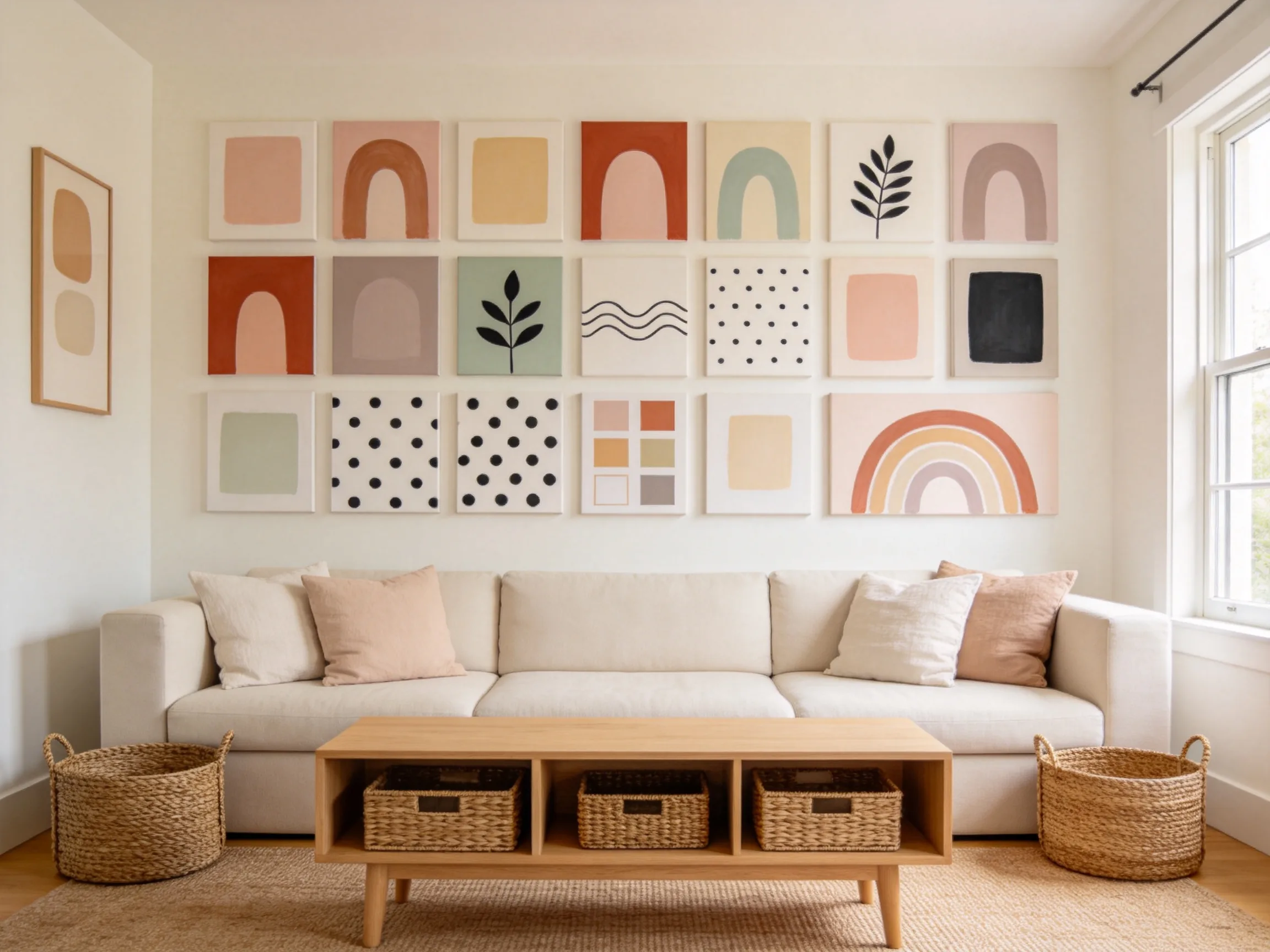
A mini gallery set lets you create several small beginner paintings that work together. Choose three to six small canvases or art papers, then repeat the same color palette across simple designs like arches, dots, brushstrokes, lines, and blocks.
This idea is useful for filling awkward wall spaces, such as above a desk, beside a closet door, over a small dining table, or along a hallway. Smaller pieces are less intimidating to paint than one large canvas, and the repeated colors help the arrangement feel cohesive.
Before hanging, lay the pieces on the floor and test the spacing. Keep the gap between frames consistent, usually around two to three inches, so the gallery wall looks planned. Use matching frames for a clean look or leave canvas edges exposed for a casual handmade style.