Chicken Soup Recipes for Sick Days That Actually Deliver: Comfort, Heat, and Real Results
You feel wrecked, your nose is a faucet, and nothing tastes right—except the thing your grandma swore by. Chicken soup isn’t magic, but wow it’s close when you build it right. We’re talking restorative broth, immune-loving aromatics, and smart carbs that don’t punch your stomach. No fluff, just a streamlined pot that warms you up and gets you back on your feet. It’s cozy, it’s fast, and yes, it finally lives up to the hype.
The Secret Behind This Recipe
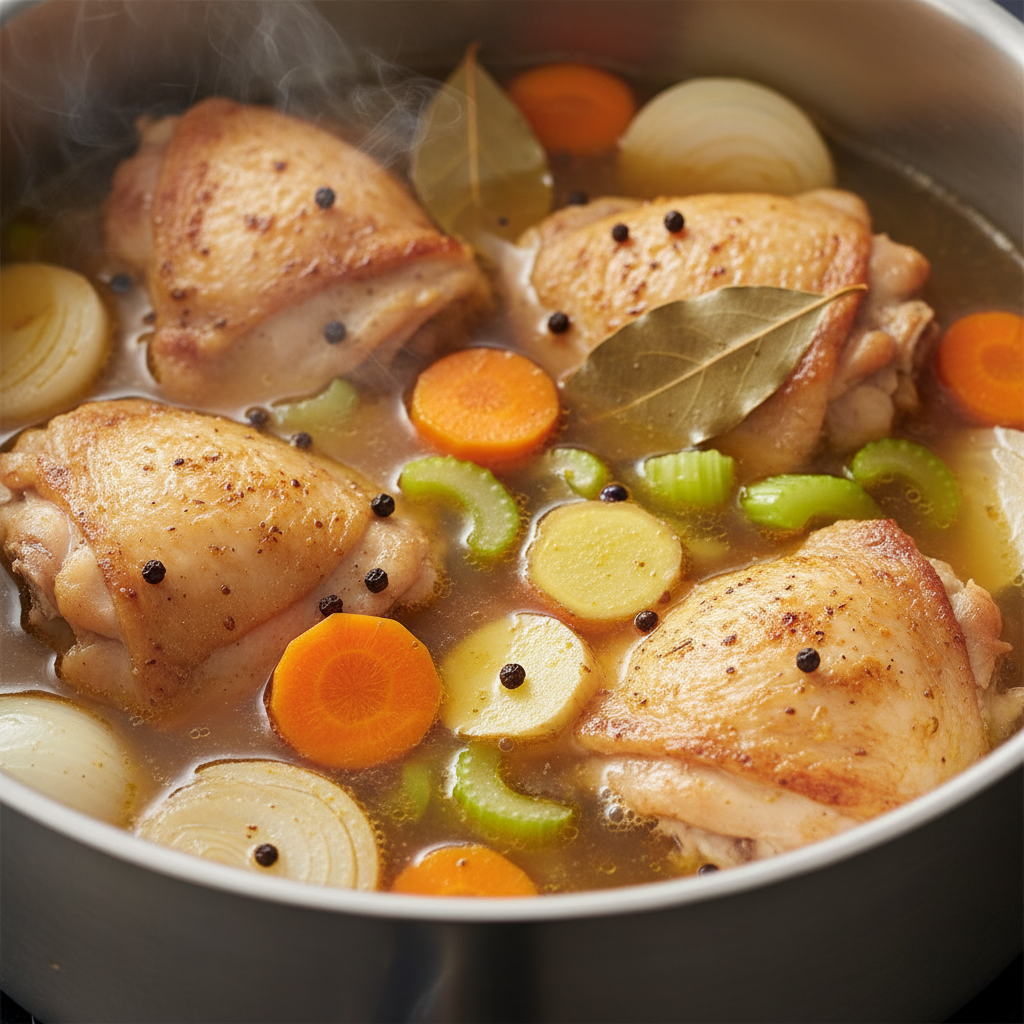
This soup hits different because it builds flavor in layers, not shortcuts. You’ll sear, simmer, and finish with bright freshness so it tastes alive, not flat. That matters when your taste buds are on strike.
We use bone-in chicken thighs for tenderness and depth. Bones add body and collagen without heavy fat, so it’s soothing and easy to digest.
Ginger and turmeric bring gentle heat and anti-inflammatory vibes. Lemon and fresh herbs wake up your senses at the end, which is when you need it most.
You’ll cook the noodles or rice separately, then add them when serving. That keeps your broth clear and prevents the dreaded mush.
Lastly, this recipe stays low-sodium by design. You control the salt, adjust to your needs, and keep hydration on point. It’s simple, but it’s science-backed comfort.
Shopping List – Ingredients
- 2 lb bone-in, skin-on chicken thighs (or drumsticks)
- 1 large onion, chopped
- 3 carrots, sliced
- 3 celery stalks, sliced
- 4 garlic cloves, smashed
- 1-inch piece fresh ginger, sliced
- 1 tsp ground turmeric (or 1-inch fresh turmeric, sliced)
- 1 bay leaf
- 8–10 whole black peppercorns
- 8 cups low-sodium chicken broth (or water)
- 2 tbsp olive oil
- Salt, to taste
- Fresh lemon (1–2), for juice and zest
- Fresh dill or parsley, chopped
- 8 oz egg noodles, or 1 cup rice (cook separately)
- Optional: a sprig of thyme
- Optional: 1 tsp miso paste (for umami, add at the end)
- Optional: pinch of red chili flakes (only if you want mild heat)
Instructions
- Pat the chicken dry, then season lightly with salt. You don’t need much, especially if you’re using broth.
- Warm 2 tbsp olive oil in a large pot over medium heat. Sear the chicken skin-side down until golden, about 6–8 minutes.
- Flip the chicken and sear the other side for 3 minutes. This adds flavor without extra steps.
- Remove chicken to a plate. Add onion, carrots, and celery to the pot. Cook 5 minutes until softened.
- Stir in garlic, ginger, turmeric, and bay leaf. Cook 1 minute until fragrant. Your kitchen should smell like wellness.
- Pour in 8 cups low-sodium broth and scrape up the browned bits. That’s liquid gold you don’t want to waste.
- Return chicken to the pot, skin-side up. Add peppercorns and thyme if using.
- Bring to a gentle simmer, then reduce heat to low. Simmer 45–60 minutes, uncovered, until the chicken is tender.
- Skim any foam or excess fat during the simmer. You’ll keep the broth clean and soothing.
- While the soup simmers, cook noodles or rice separately according to package directions. Drain and set aside.
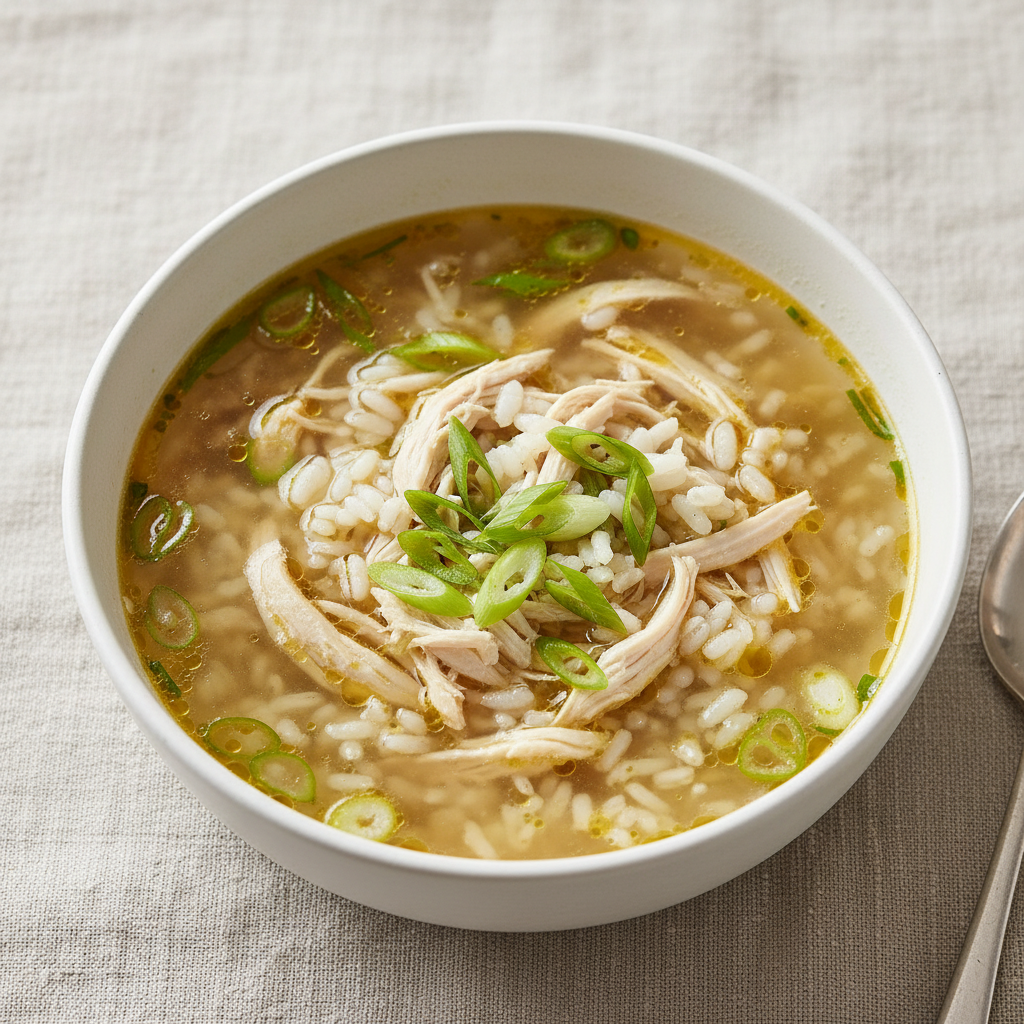
- Remove chicken to a cutting board. Discard skin if you prefer, then shred the meat with two forks.
- Strain the broth if you want extra clarity, or just fish out the bay leaf and peppercorns. Your call.
- Return shredded chicken to the pot. Taste and add salt as needed. Keep it gentle if you’re sick.
- Stir in a splash of lemon juice and a pinch of zest. Add lemon at the end so it stays bright.
- Turn off the heat and finish with chopped dill or parsley. They add color, flavor, and a tiny bit of swagger.
- To serve: add noodles or rice to bowls, then ladle hot soup over. This keeps the starch from stealing all your broth.
- If using miso, whisk it into a small cup of hot broth, then stir into the pot. Don’t boil miso; it loses character.
- Taste once more. Need more lemon? More dill? You’re the boss. Serve hot and inhale like it’s a spa day.
Storage Tips
- Cool soup quickly, then refrigerate within 2 hours. It stays fresh up to 4 days.
- Freeze in portions for up to 3 months. Leave headspace in containers so they don’t crack.
- Store noodles or rice separately. They soak up broth and turn mushy if left in the pot.
- Reheat gently over low heat. Don’t boil hard or you’ll dull the lemon and herbs.
- Soup got thick? Add a splash of water or broth while reheating. No, that isn’t cheating.
- Label containers with date and contents. You’ll thank yourself when you’re foggy-brained.
Why This is Good for You
- Hydration support: Warm broth helps replenish fluids when you don’t feel like drinking.
- Protein that’s easy to digest: Tender chicken repairs and sustains without weighing you down.
- Collagen and minerals: Bone-in chicken infuses the broth with body-friendly goodness.
- Aromatics that do work: Ginger and turmeric can support circulation and calm inflammation.
- Steam therapy: Hot soup helps open sinuses and soothe a scratchy throat. Science meets comfort.
- Balanced energy: Noodles or rice provide simple carbs for fuel when you’re tapped out.
- Low-sodium control: You choose the salt level so you stay hydrated, not puffy.
Avoid These Mistakes
- Don’t boil aggressively. Gentle simmer keeps the broth clear and the chicken tender.
- Don’t over-salt early. Add salt in stages and adjust at the end for accuracy.
- Don’t cook noodles in the soup. They steal broth and go soggy fast.
- Don’t skip skimming. A minute of skimming yields a cleaner, lighter broth.
- Don’t add lemon too soon. Add lemon at the end or it turns dull and bitter.
- Don’t fear fat—but don’t drown the soup. A little richness is nice; too much feels heavy when you’re sick.
- Don’t use only boneless chicken. Bones amplify flavor and texture, and that payoff is huge.
- Don’t forget fresh herbs. Dill or parsley adds the final lift your taste buds crave.
- Don’t store starch in broth. Separate and reheat together so texture stays on point.
Mix It Up
- Lemon-Dill Boost: Double the dill and finish with extra lemon. Bright, clean, and wildly soothing.
- Ginger-Garlic Flu Fighter: Add more ginger and two extra garlic cloves. Gentle heat, bigger aroma.
- Miso-Scallion Comfort: Whisk in 1 tsp miso at the end and top with sliced scallions. Umami without weight.
- Rice Instead of Noodles: Choose rice for a softer, gentler texture. Great when your stomach protests.
- Bone Broth Upgrade: Add a few chicken wings or backs to the pot. More collagen, more body.
- Rotisserie Shortcut: Use shredded rotisserie chicken and simmer 20 minutes less. FYI, still fantastic.
- Keto-Friendly: Skip noodles and add zucchini ribbons at the end. Light and slurpable.
- Spice Whisper: A tiny pinch of chili flakes wakes up the sinuses. Keep it mild, not macho.
- Kid-Friendly: Use mini pasta shapes and extra carrots. Finish with parsley only—dill can be polarizing.
FAQ
Can I use boneless, skinless chicken?
Yes, but flavor will be lighter. If you use boneless, add a small handful of wings or a bone-in piece to boost the broth.
What’s the best noodle for chicken soup?
Wide egg noodles give a classic feel and hold up well. Small shapes like ditalini or orzo are great if you want tiny, gentle bites.
How do I make this gluten-free?
Swap egg noodles for rice or gluten-free pasta. Check your broth label too; choose certified gluten-free to be safe.
Can I slow-cook this?
Absolutely. Add everything except the lemon, herbs, and noodles to a slow cooker and cook on low for 6–7 hours. Shred, finish with lemon and herbs, and serve over cooked noodles or rice.
What about Instant Pot?
Sauté aromatics, add chicken and broth, and cook on High for 15 minutes with natural release. Finish with lemon, herbs, and add noodles or rice to bowls.
Is this good when I have a sore throat?
Yes. Warm, lightly seasoned broth soothes, hydrates, and provides easy calories. Keep spices mild and finish with extra lemon for brightness.
How do I reduce sodium even more?
Use water with a small amount of low-sodium broth, then salt at the end. Lemon and herbs add flavor so you won’t miss the salt, IMO.
I don’t have turmeric or ginger—now what?
Use extra garlic and a little black pepper for gentle heat. A splash of lemon still gives freshness and lift.
Can I freeze noodles in the soup?
You can, but they’ll go soft and drink the broth. Freeze the soup separately and add fresh noodles when reheating.
How long does chicken need to simmer?
Bone-in thighs usually tenderize in 45–60 minutes. You want shreddable meat and a broth that tastes round and balanced.
Is this safe for sensitive stomachs?
Keep the fat low, skip chili flakes, and use rice instead of noodles. It should feel gentle, not heavy.
Final Thoughts
When you’re sick, you want results, not drama. This chicken soup brings warmth, clarity, and the kind of comfort that makes a long day feel shorter. Keep it simple, finish it bright, and let the bowl do the talking.