5 Kitchen Cabinet Color Ideas Small Space Lovers Swear by for a Bigger-looking Kitchen
Small kitchen, big opinions. If your cabinets are making your space feel like a cramped rental from 2009, the color might be the real villain here.
The good news: you don’t need a full reno to fake a more open, airy kitchen. You just need smarter cabinet color choices that bounce light, create depth, and distract your eyes from the fact that your “pantry” is basically one sad shelf.
Let’s get into kitchen cabinet color ideas small space style—five of them, each with a vibe, a purpose, and zero patience for boring.
1. Cloud-White Cabinets That Bounce Light Like Crazy
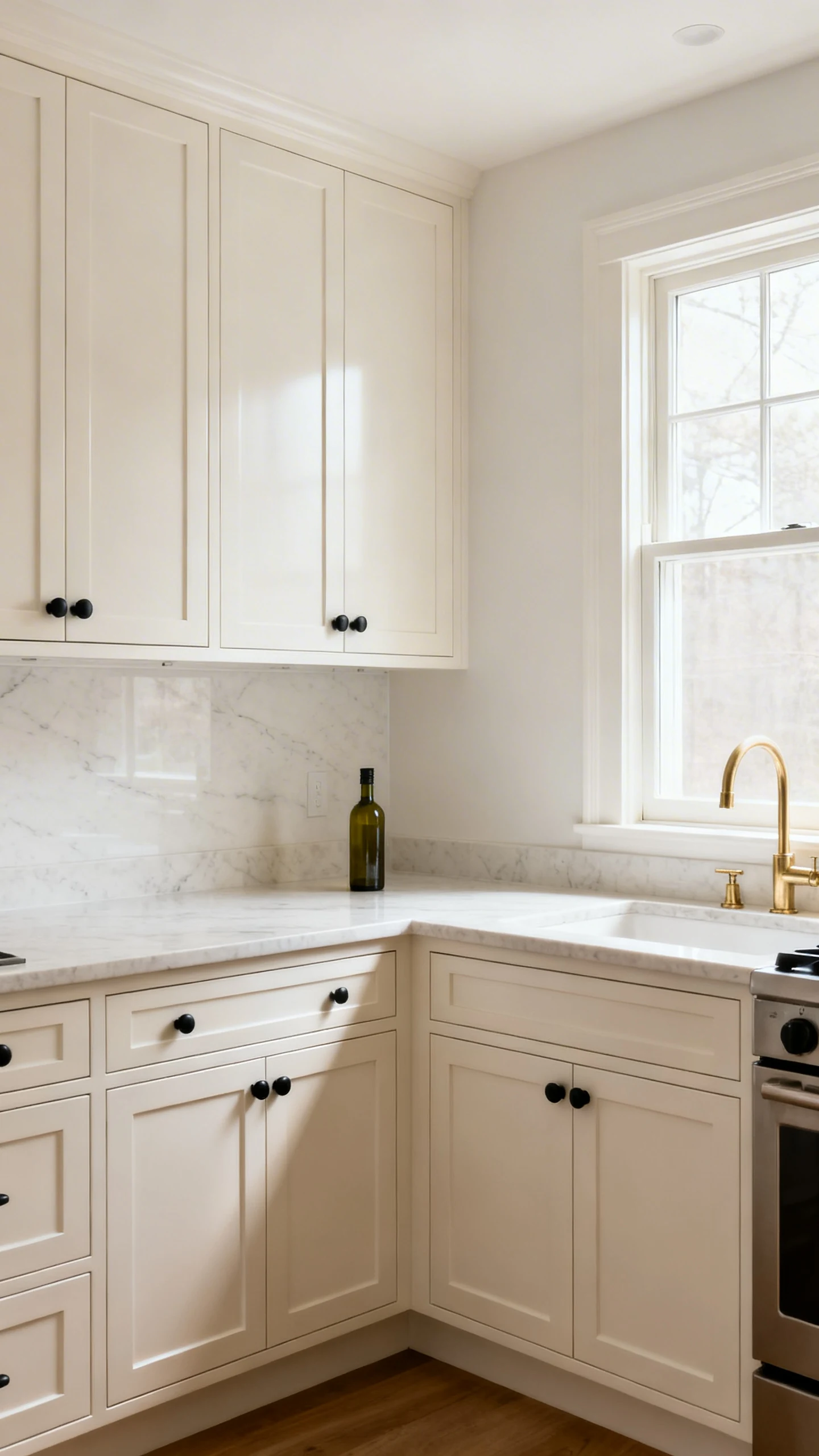
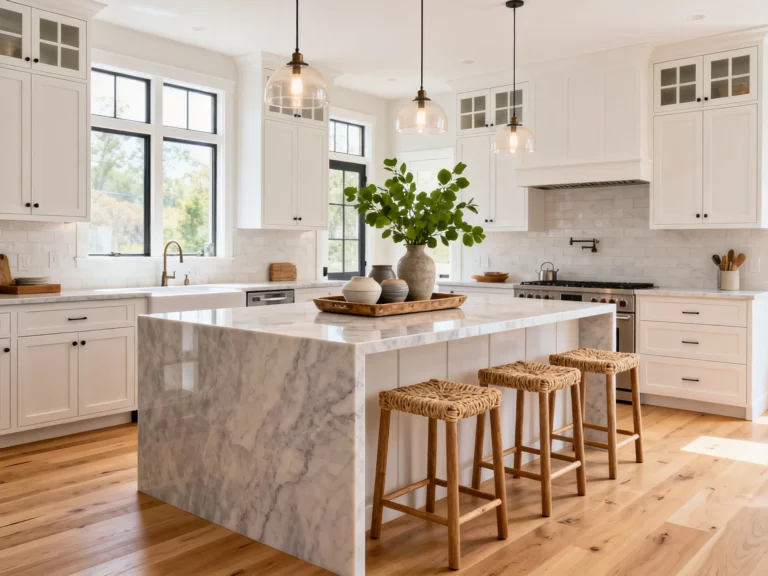
If your kitchen is short on windows, white cabinets are basically the cheat code. They reflect light, keep visual clutter low, and make everything feel more open—even if your counter space is the size of a cutting board.
But here’s the trick: not all whites are created equal. The wrong white can look sterile, yellow, or like you’re trying to sell the house tomorrow. The right white looks clean, cozy, and intentionally styled.
How To Pick The Right White (Without Spiraling)
Start by checking your lighting. Warm bulbs make whites look creamier, cool daylight makes them look crisper. Your cabinets will change moods depending on the time of day, which is… fun, I guess.
- Choose soft whites for warm, cozy kitchens with beige or wood tones.
- Choose crisp whites for modern kitchens with gray counters or stainless appliances.
- Try a satin or eggshell finish to avoid every fingerprint becoming a crime scene.
Want to keep white from feeling flat? Pair it with contrast that adds depth without shrinking the room.
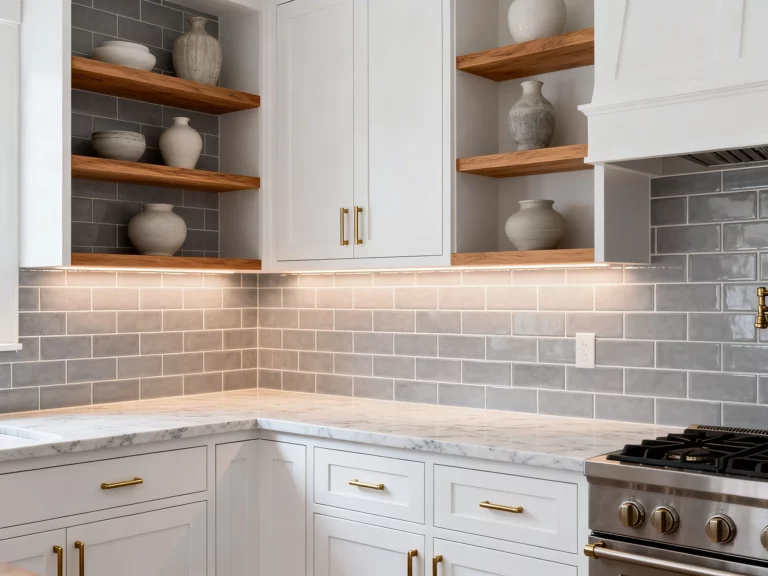
- Add a light quartz countertop with subtle veining for texture.
- Use brass or matte black hardware to sharpen the look.
- Go for a simple backsplash that doesn’t compete for attention.
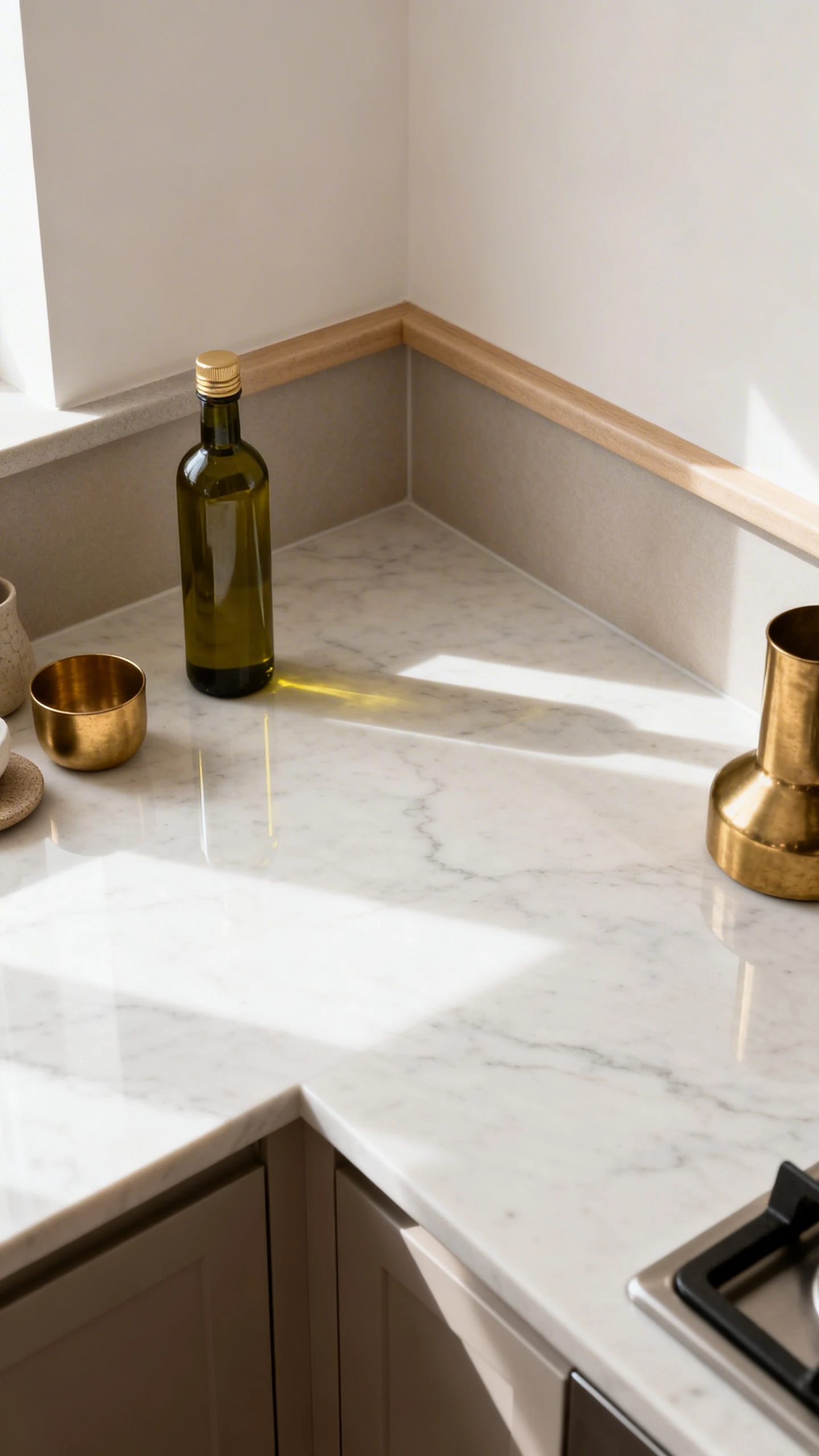
FYI: White cabinets also make your decor pop, which means your cute little olive oil bottle moment will actually look intentional.
2. Warm Greige Cabinets That Hide Mess And Still Feel Airy
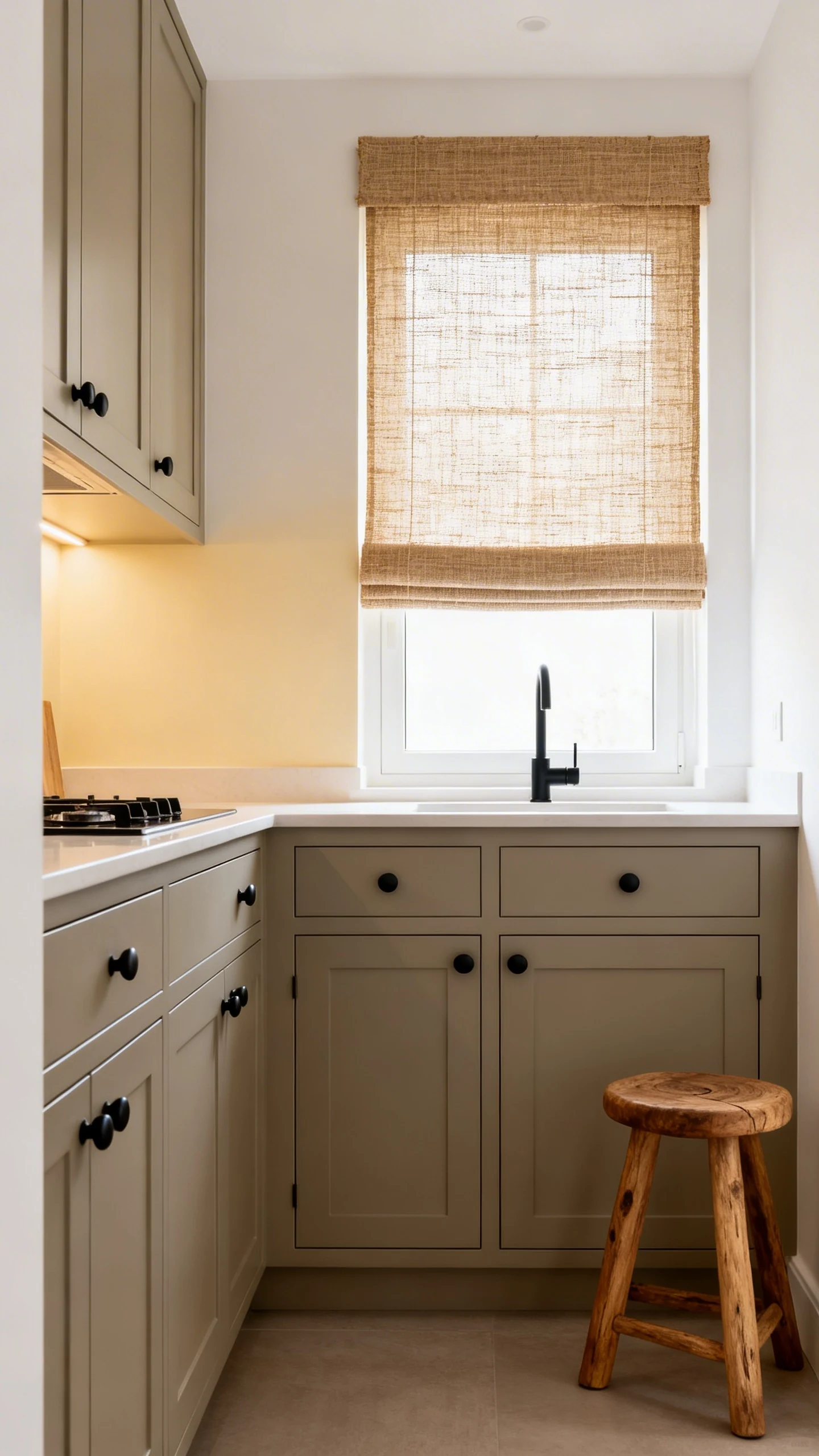
Let’s talk about the unsung hero of small kitchens: greige. It’s that magical “is it gray, is it beige?” shade that somehow works with everything and makes your kitchen feel calm instead of chaotic.
IMO, greige is perfect if you want something softer than bright white but still light-reflective. It’s also extremely forgiving, which is great if you cook like a normal human and not a minimalist influencer.
Why Greige Works In Tight Kitchens
Greige adds depth without absorbing light the way darker colors can. That means your cabinets still feel airy, but the room gets a little more dimension. Translation: it looks expensive.
- Pick a light greige if your kitchen is super small or window-challenged.
- Go slightly deeper if you have good lighting and want a cozier vibe.
- Match undertones: warmer greige with wood floors, cooler greige with gray tile.
To make greige look styled (not “builder basic”), lean into warm accents.
- Try cream walls or a warm white to keep the palette smooth.
- Add natural textures like wood stools, rattan, or linen shades.
- Use soft black hardware for contrast without harshness.
And yes, greige is also great if you’re trying to sell later. It’s neutral without being boring—like the friend who’s chill but still has good taste.
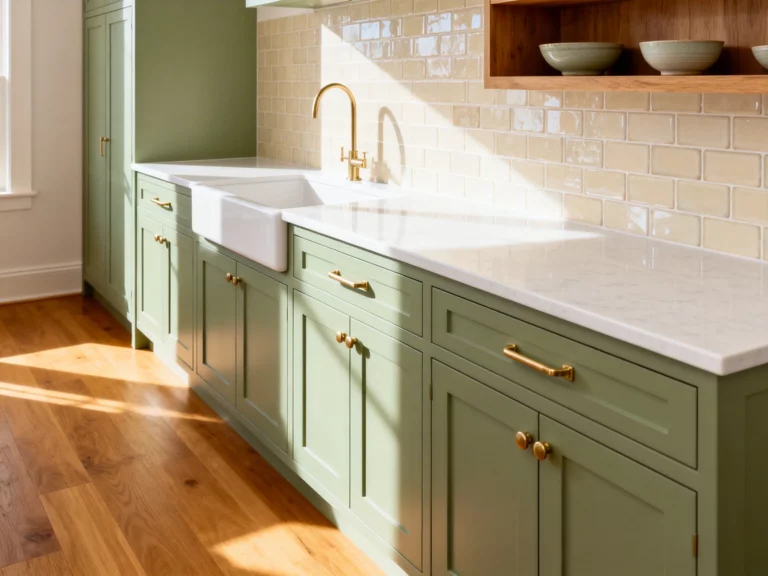
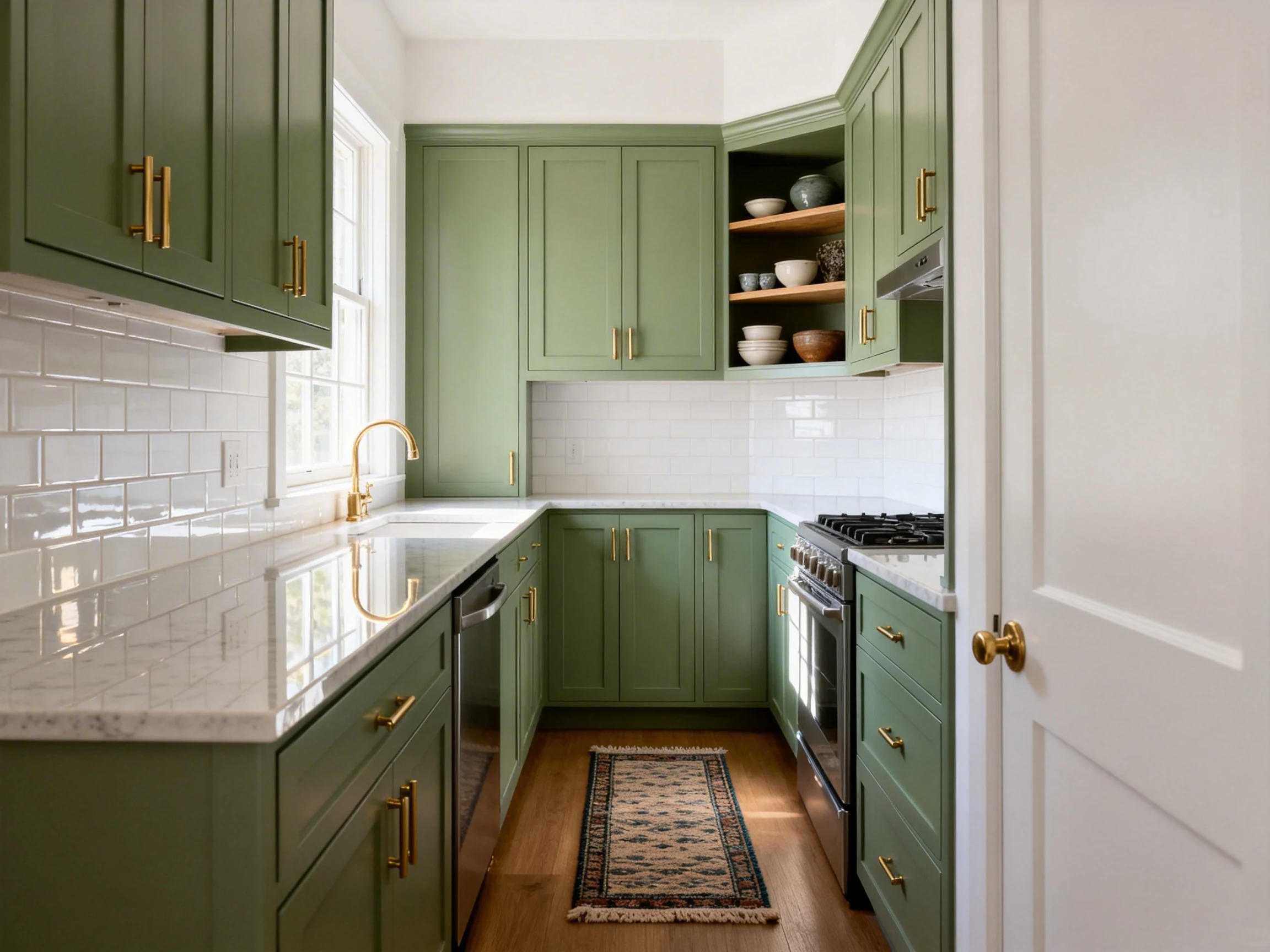
3. Soft Sage Green Cabinets For A Fresh, Calm “Tiny But Chic” Look
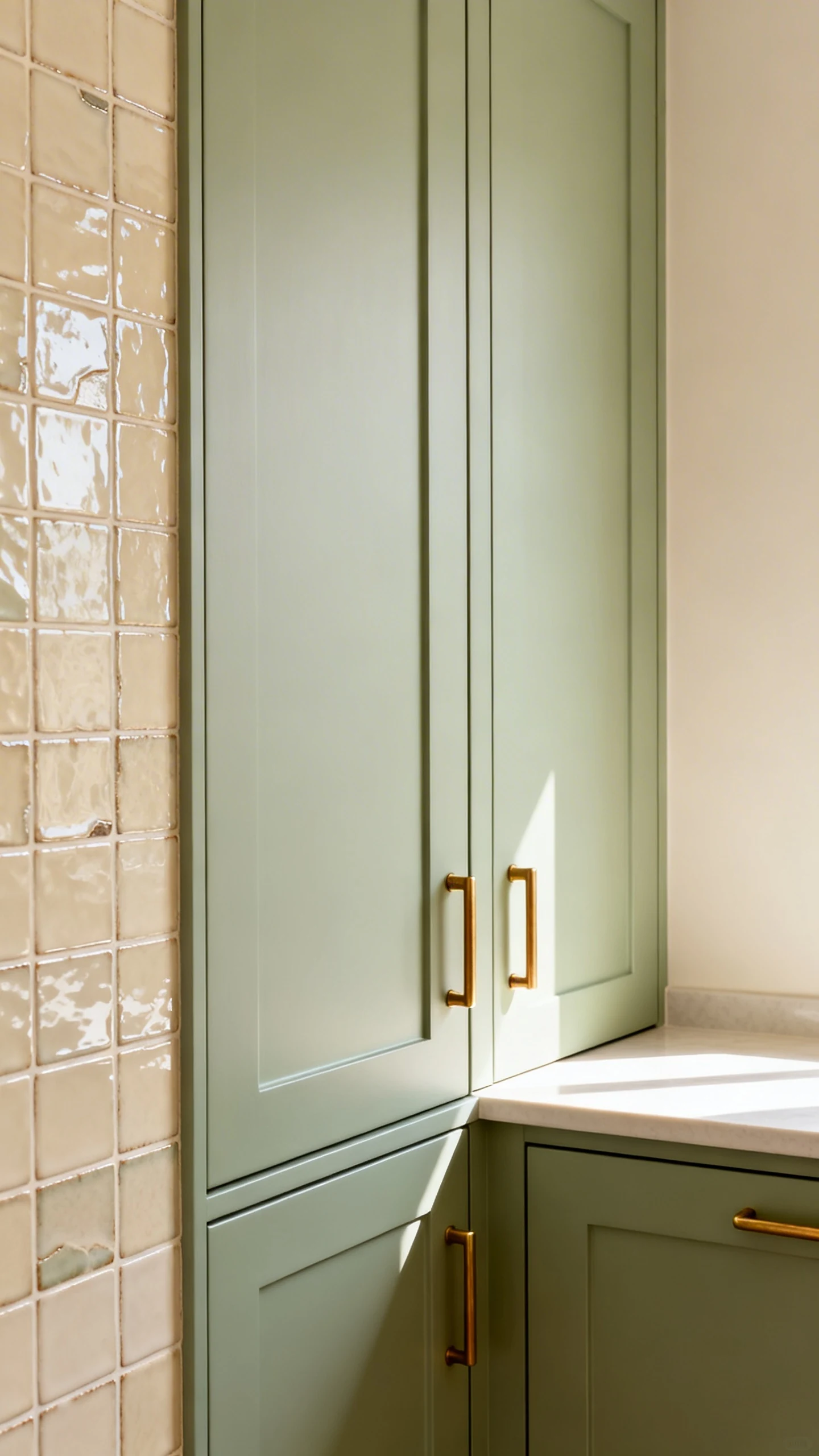
If white feels too safe and dark colors feel risky, sage green is your sweet spot. It’s fresh, soft, and surprisingly neutral—like a plant that won’t die in two weeks.
Sage works especially well in small spaces because it adds personality without feeling loud. It’s color, but it’s calm color. You’re not committing to neon. You’re committing to “I have my life together,” even if you don’t.
Make Sage Feel Light (Not Swampy)
The key is choosing a sage with enough gray or warmth to stay muted. Super saturated greens can feel heavy, and small kitchens don’t need extra drama.
- Choose pale sage for maximum brightness and a breezy look.
- Use white or warm off-white on walls to keep the room open.
- Pair with light counters so the cabinets don’t dominate.
Now for the fun part: styling it so it looks magazine-worthy.
- Add brass pulls for warmth and a little glow.
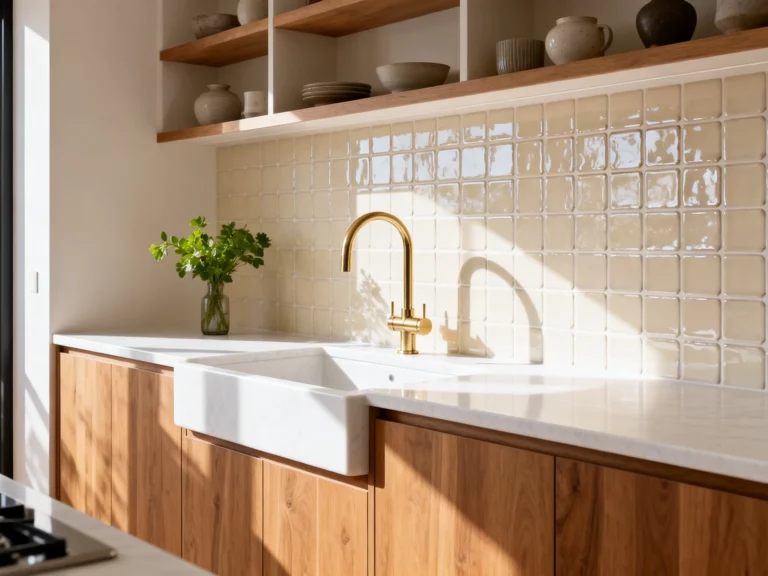
- Use cream tile or zellige-style backsplash for texture.
- Bring in wood accents to keep it grounded and cozy.
Rhetorical question time: do you want your kitchen to feel like a calm café or a fluorescent break room? Exactly.
4. Two-Tone Cabinets That Trick The Eye Into Seeing More Space
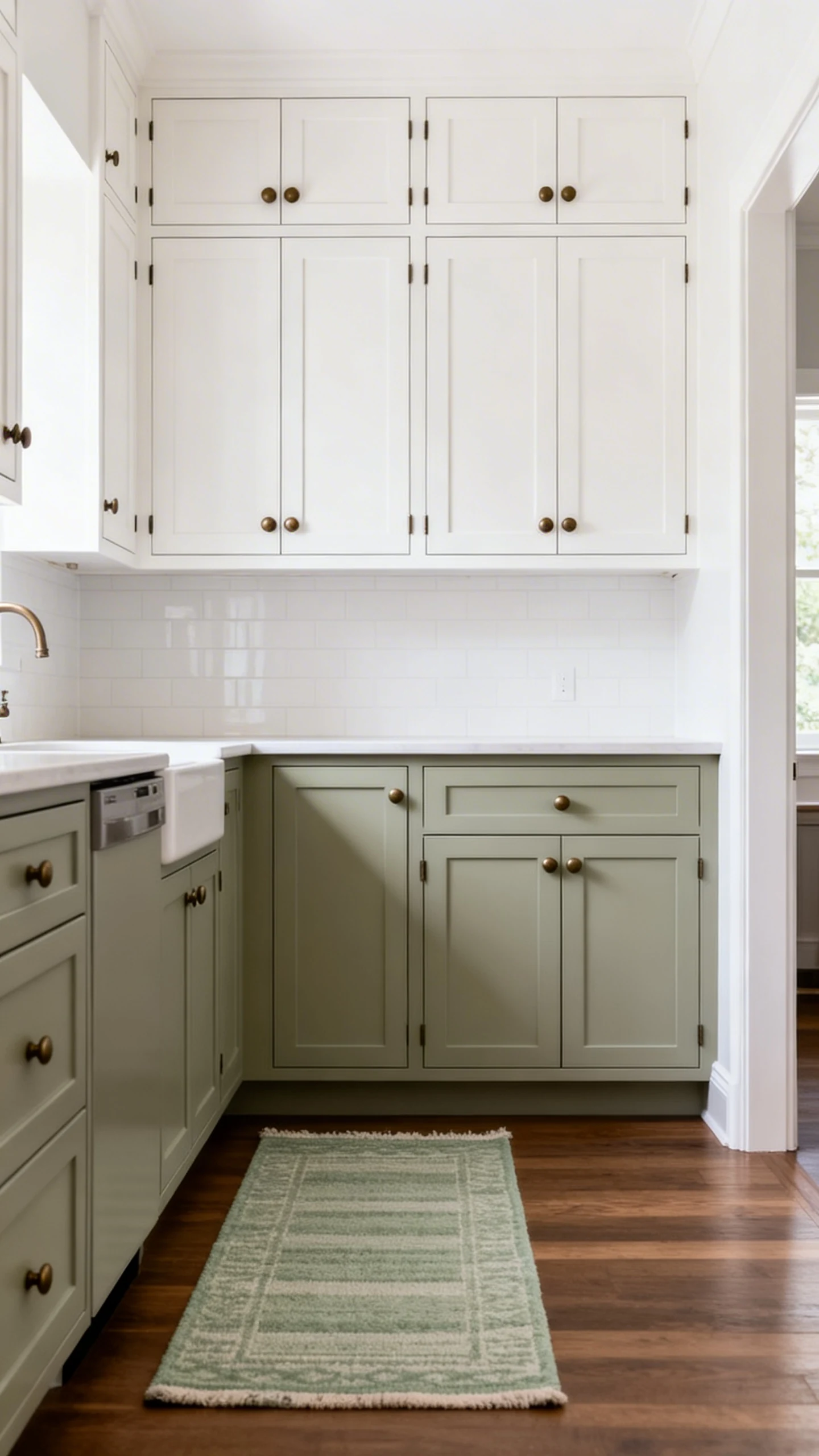
Two-tone cabinets are the interior design version of high-waisted jeans. They shape the room in a way that makes everything look better.
This is one of my favorite kitchen cabinet color ideas small space strategies because it creates visual balance. Lighter uppers keep things airy, while darker lowers anchor the room and hide scuffs.
The Best Two-Tone Combos For Small Kitchens
You want contrast, but not chaos. The goal is “designer,” not “I painted this during a long weekend and regret everything.”
- White uppers + greige lowers for a soft, classic look.
- White uppers + sage lowers for a fresh, modern vibe.
- Off-white uppers + charcoal lowers if you want drama without shrinking the top half.
To keep the look cohesive, repeat the lower color somewhere else—just a little.
- Match the lower color in a runner rug or small decor pieces.
- Use hardware in one finish across both tones for unity.
- Choose a simple backsplash so the cabinets stay the star.
Bonus: if your kitchen has a weird layout, two-tone can help visually “organize” it. Like, your eyes understand what’s going on even if the floor plan is doing the most.
5. Moody Navy Or Charcoal (Yes, Really) With The Right Brightening Tricks
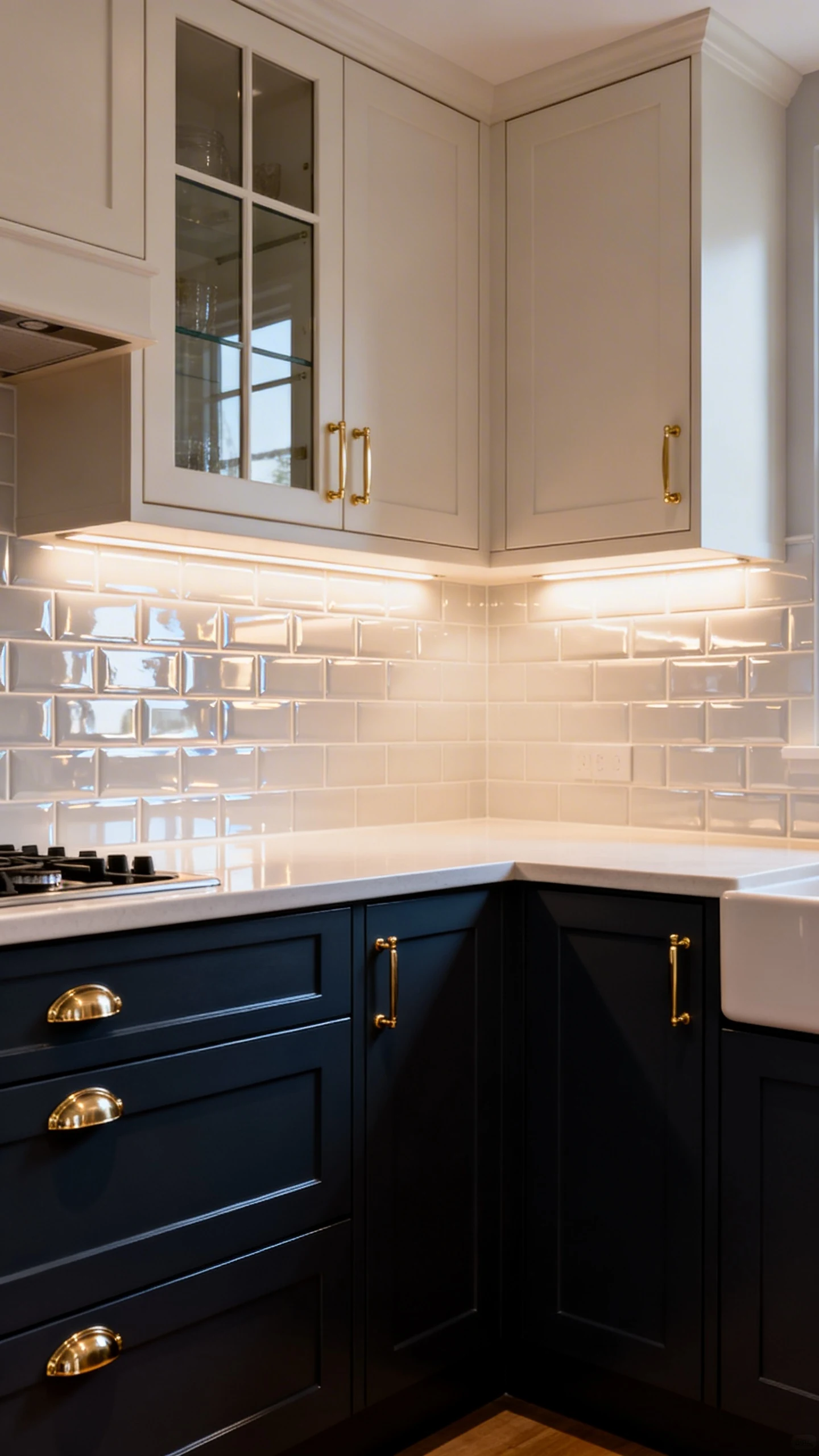
Okay, let’s address the spicy take: dark cabinets can work in a small kitchen. You just have to do it on purpose. Random dark paint + bad lighting = cave. But navy or charcoal done right? It’s chic, rich, and wildly high-end looking.
The secret is contrast and reflection. You’re basically building little light sources around the dark color so it feels dramatic, not depressing.
How To Go Dark Without Making The Room Feel Smaller
Start with where the dark color goes. In tiny kitchens, you don’t always need to paint every cabinet dark. Sometimes the best move is dark lowers, or a dark island, or even just a bank of cabinets.
- Use dark paint on lower cabinets and keep uppers light.
- Pair with light countertops to create a crisp break.
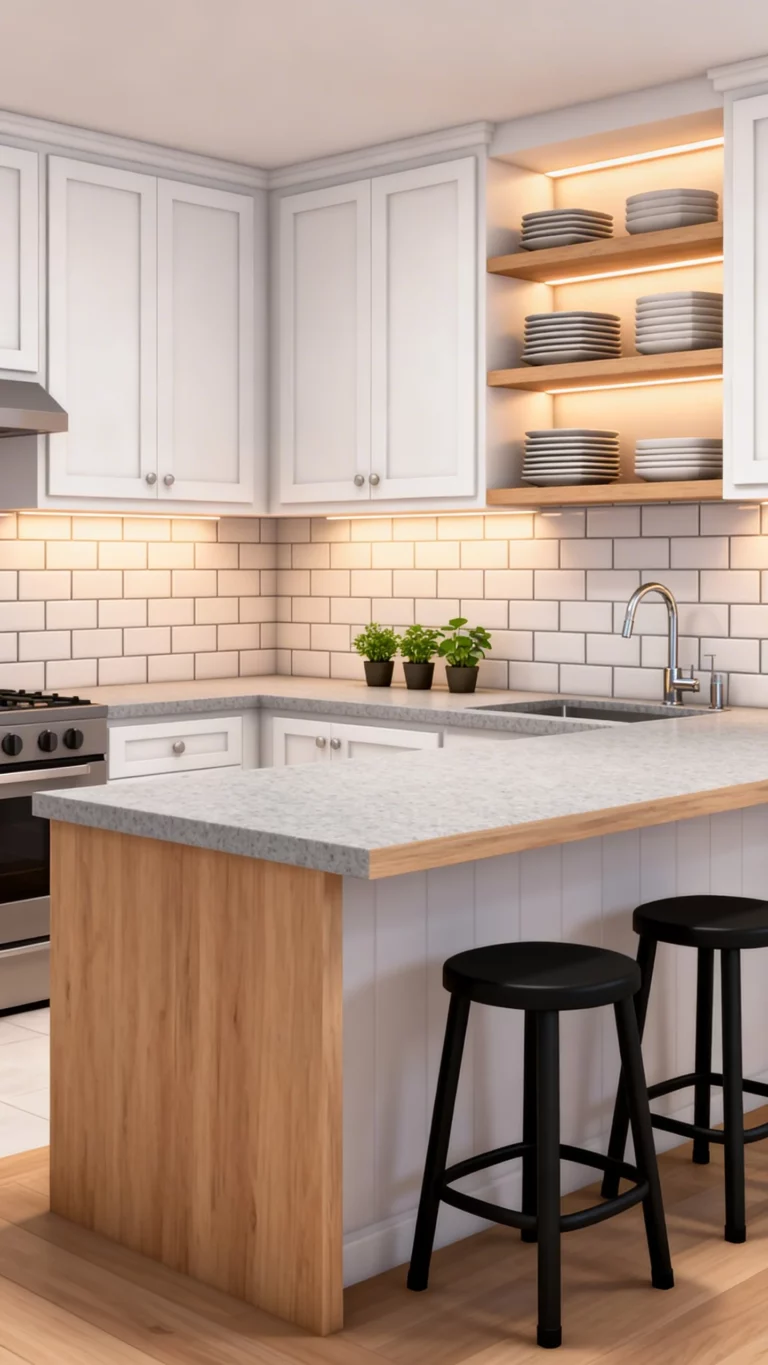
- Add under-cabinet lighting to brighten work zones.
Now make it sparkle a little. Dark colors love reflective finishes.
- Choose a glossy backsplash like subway tile to bounce light.
- Use brushed brass or polished nickel hardware for shine.
- Consider glass-front uppers so the room feels less blocky.
One more thing: keep the rest of the kitchen simple. Dark cabinets already bring the drama, so you don’t need twelve competing patterns and a backsplash that looks like a kaleidoscope.
And yes, you’ll wipe them down more. But you’ll also stand there admiring them like you’re in a fancy townhouse, so it’s a fair trade.
So, which vibe are you going for—bright and airy, soft and cozy, or bold and designer-level moody? Whatever you pick, remember this: small kitchens aren’t a decorating dead end. With the right cabinet color, they can feel bigger, brighter, and way more “you.”