5 Kitchen Cabinet Green Color Ideas That’ll Make Your Kitchen Look Custom
Green kitchen cabinets are basically the cheat code for making your kitchen feel designer without selling a kidney. They’re cozy, fresh, and somehow both classic and cool at the same time. And no, you don’t have to live in a cottage or own a sourdough starter to pull them off.
So let’s talk kitchen cabinet green color ideas that actually work in real homes with real lighting, real budgets, and real “why is this wall not straight?” problems.
1. The “Soft Sage, Big Calm Energy” Move
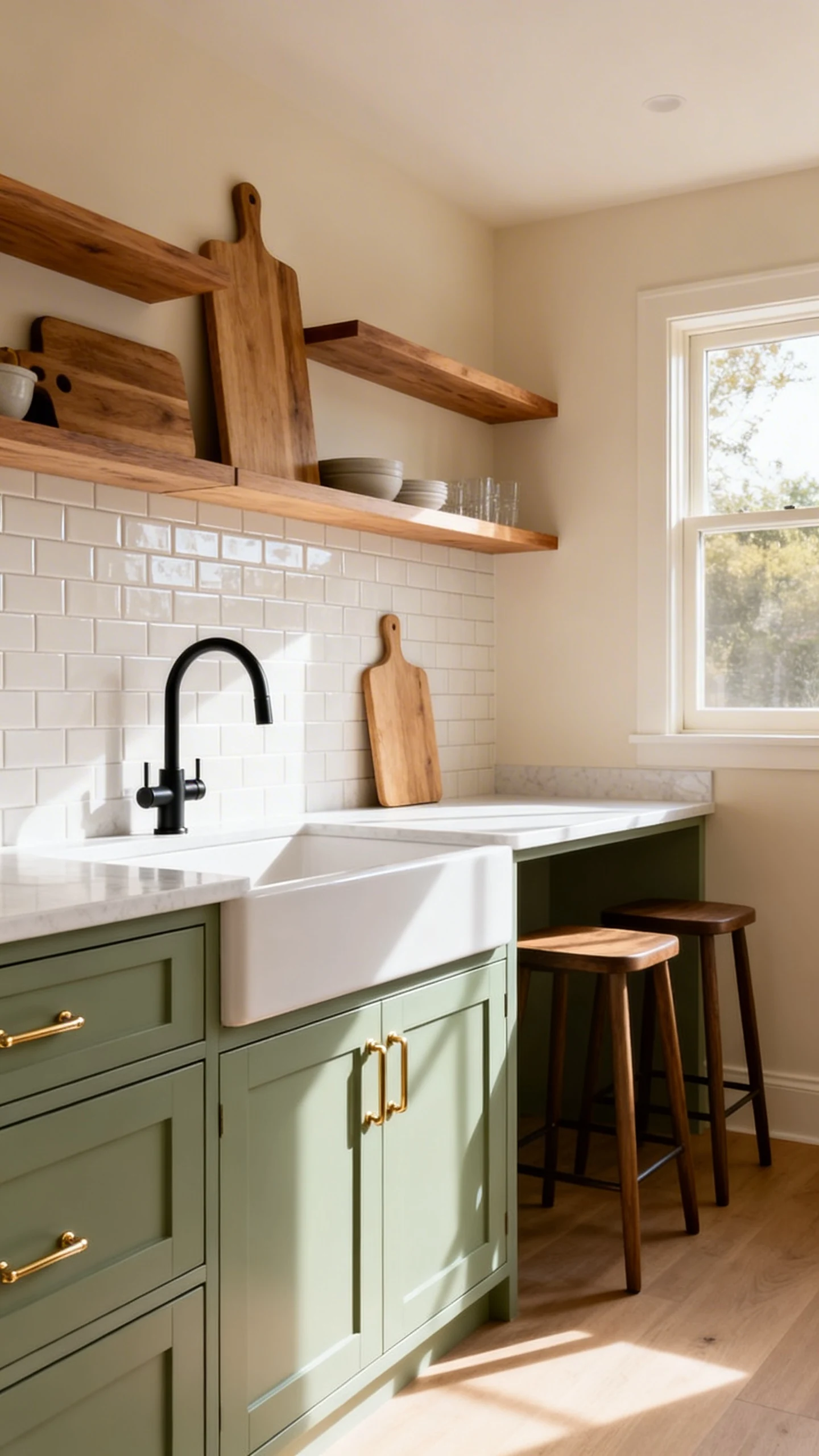
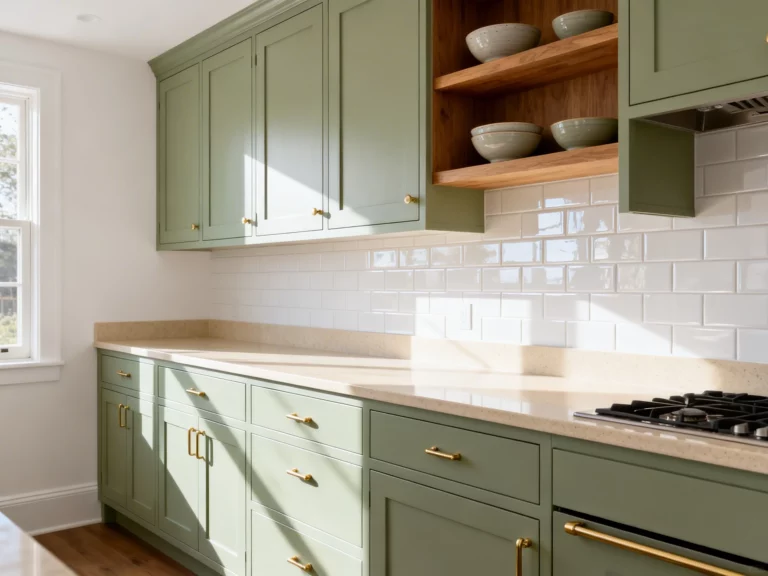
If you want green cabinets but you’re nervous about commitment, sage green is your safest flex. It reads neutral, it’s easy on the eyes, and it doesn’t scream for attention like a neon sign at a diner.
Sage works especially well when you want your kitchen to feel airy but not sterile. Think: relaxed, modern, and a little bit “I have my life together,” even if you absolutely do not.
Where Sage Green Shines Most
Sage is the ultimate peacekeeper color. It plays nice with everything, which is great because kitchens have a lot going on—counters, floors, appliances, hardware, the random fruit bowl you pretend is decor.
- Countertops: White quartz, creamy marble, light gray, or butcher block.
- Backsplash: White subway tile, warm off-white zellige, or soft stone.
- Hardware: Brushed brass for warmth, matte black for contrast, or polished nickel for a clean classic look.
FYI: Sage cabinets look different in every light. Morning sun makes them feel fresh and green; warm evening bulbs can make them look more gray. Test swatches like your sanity depends on it.
Quick Styling Tips
If you choose sage, don’t forget the supporting cast. The best sage kitchens have texture and warmth layered in, or they can feel a little flat.
- Add wood accents (stools, open shelves, cutting boards) to keep it cozy.
- Use cream walls instead of bright white if you want a softer vibe.
- Bring in black accents sparingly for definition—like faucets or light fixtures.
Sage is basically the “effortless outfit” of cabinet colors. It looks like you tried, but not too hard. Perfect.
2. The “Moody Olive That Feels Expensive” Upgrade
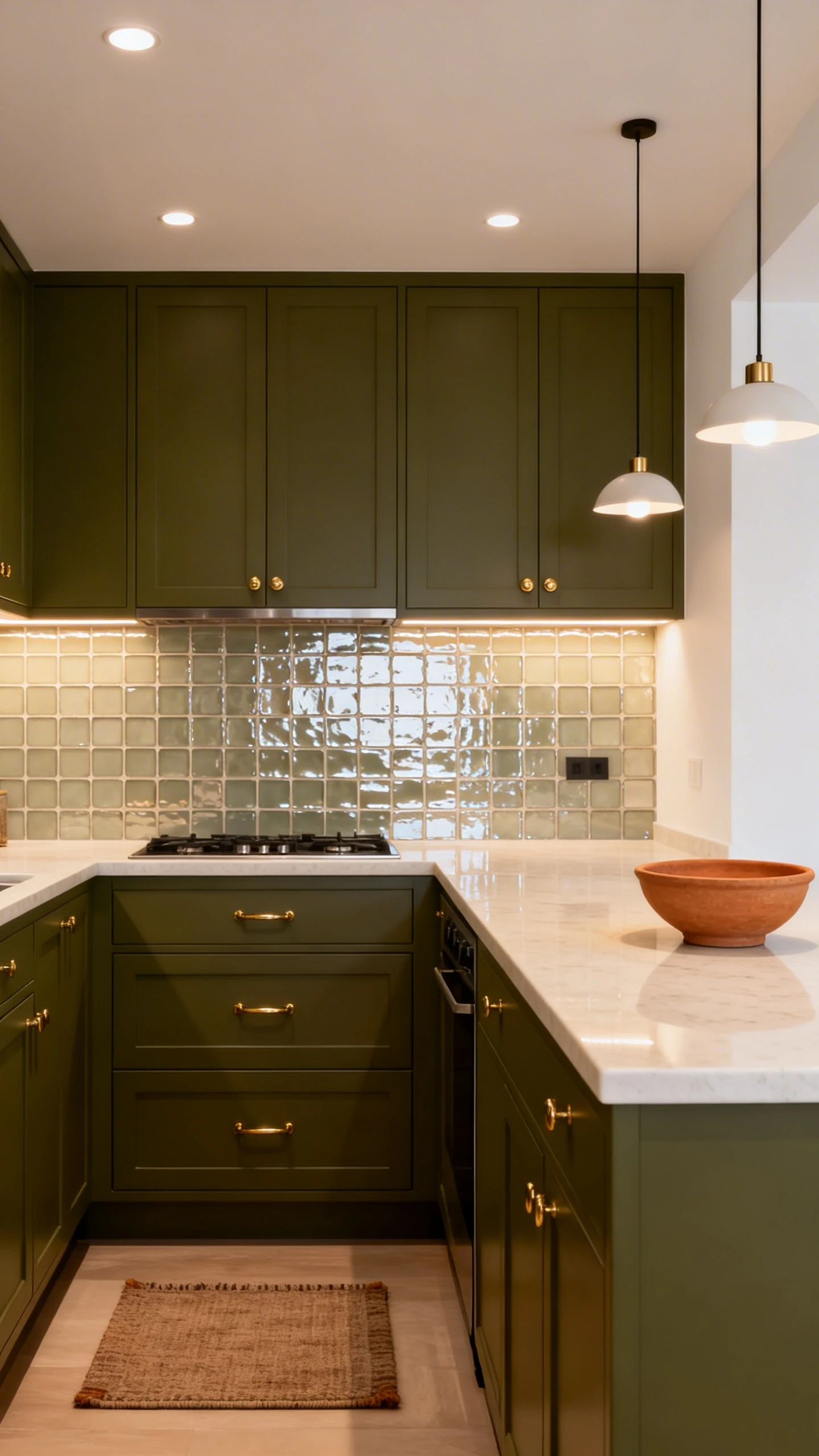
Want your kitchen to feel like a boutique hotel bar where someone might casually order olives? Go for olive green cabinets. Olive is deeper, earthier, and gives instant character—especially if your kitchen is currently giving “builder-basic beige.”
IMO, olive is the sweet spot between bold and timeless. It’s dramatic without being trendy in a way you’ll regret in 18 months.
How To Keep Olive From Feeling Too Dark
Yes, olive can get heavy, especially in low light. But it’s totally manageable if you balance it with brighter finishes and good lighting. Because nobody wants their kitchen to feel like a cave where hopes and leftovers go to die.
- Pair olive cabinets with lighter counters (warm white, light stone, pale quartz).
- Choose a reflective backsplash (glossy tile, light zellige, or even mirrored accents).
- Use layered lighting: recessed lights, pendants, and under-cabinet lighting.
Olive’s Best Friends (Color Pairings)
Olive looks especially good with warm tones. It has that “nature, but make it stylish” vibe, so lean into it.
- Brass hardware for that rich, elevated glow.
- Terracotta or clay accents for warmth (think pottery, rugs, art).
- Creamy whites on walls to keep it soft and welcoming.
Bonus: Olive cabinets hide smudges better than super light colors. So if your household includes kids, pets, or adults who “don’t see” fingerprints, you’re welcome.
3. The “Deep Forest Green, Main Character Kitchen” Moment
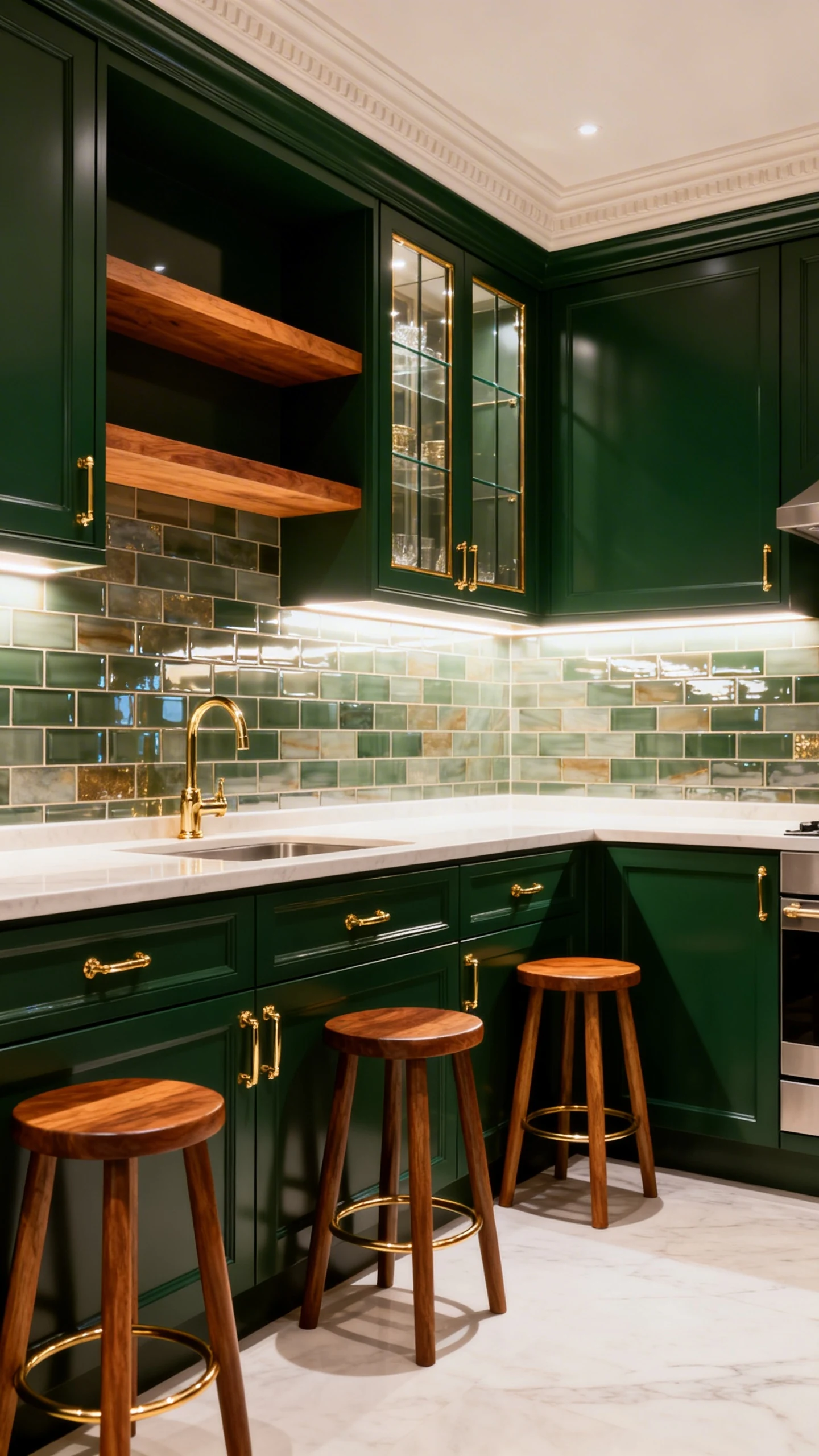
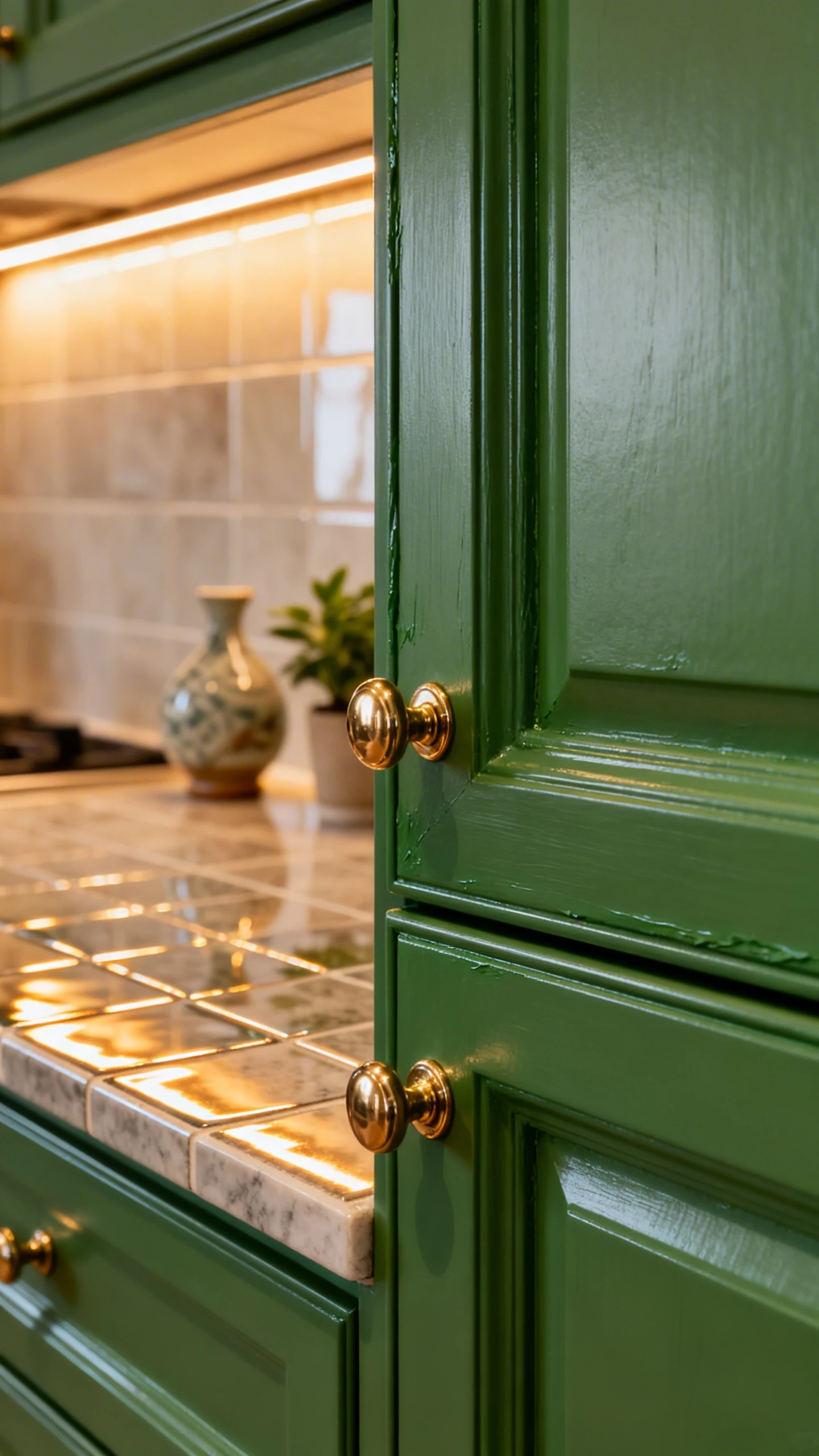
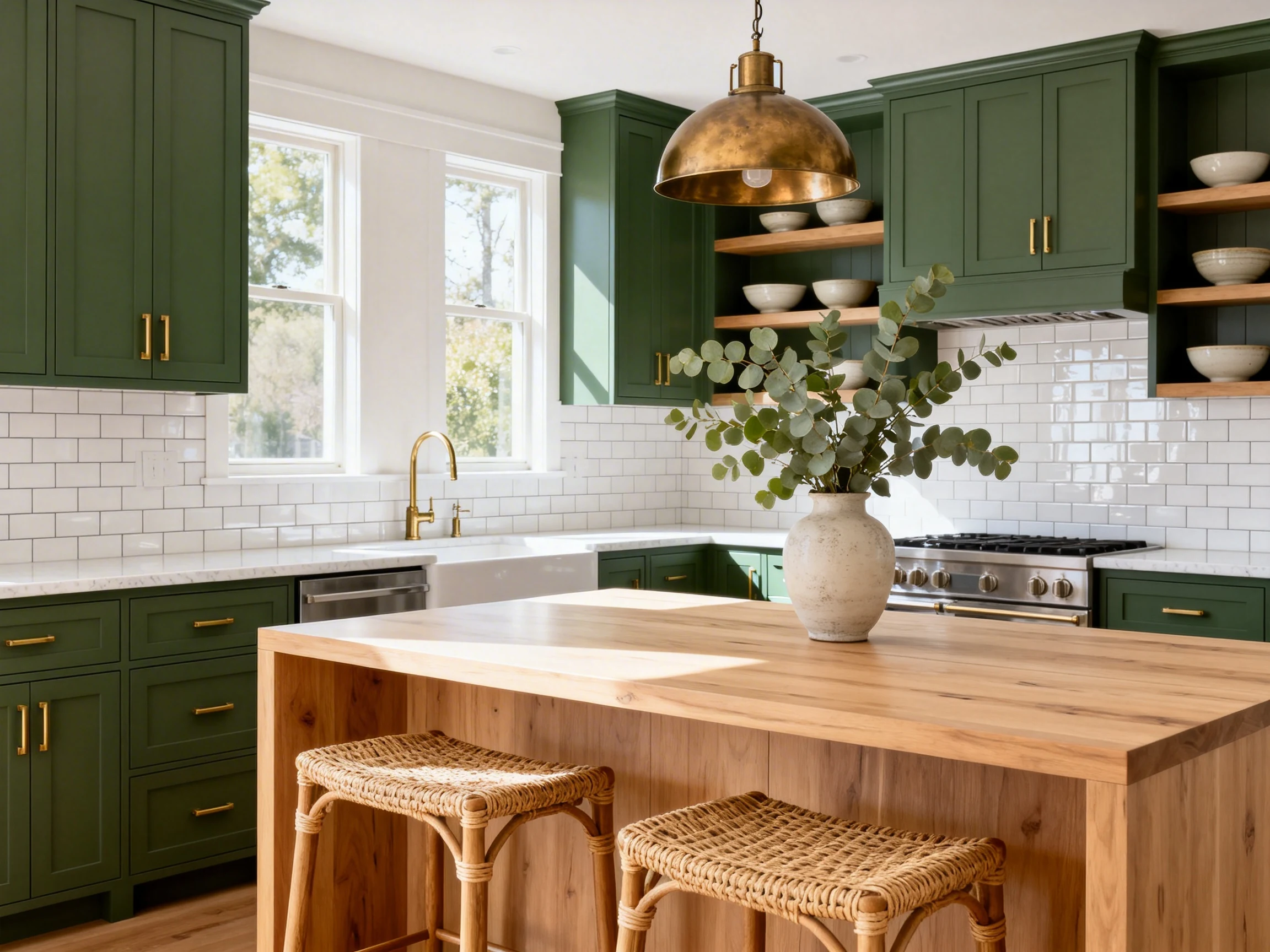
If you want drama, go forest green cabinets. This is the color choice for people who don’t whisper. It’s luxurious, grounding, and makes even a basic kitchen feel like it has a personality.
Forest green looks incredible in older homes, modern spaces, and basically anywhere you want a little sophistication. But yes, it does demand a bit more planning. You can’t just slap it on and hope for the best.
Make Forest Green Feel Rich (Not Gloomy)
The trick is contrast and sheen. Dark green absorbs light, so you need to bounce it back with the right materials.
- Choose light countertops to brighten the overall look.
- Go for high-contrast hardware like brass, polished nickel, or even chrome.
- Consider a glossy backsplash or a tile with variation to add movement.
And please, for the love of pretty kitchens: don’t skimp on under-cabinet lighting. Forest green with bad lighting is a recipe for “why does this feel sad?”
Design Details That Level It Up
Forest green loves classic details. If you’re painting cabinets anyway, this is the time to make them look intentionally designed.
- Add crown molding or trim to make uppers look custom.
- Use glass-front cabinets on a few uppers to break up the darkness.
- Style with warm wood (floating shelves, range hood surround, bar stools).
Forest green is bold, but it’s also weirdly timeless. Like that one black blazer you always reach for—only it’s your cabinets now.
4. The “Two-Tone Green + Neutral = Designer Trick” Play
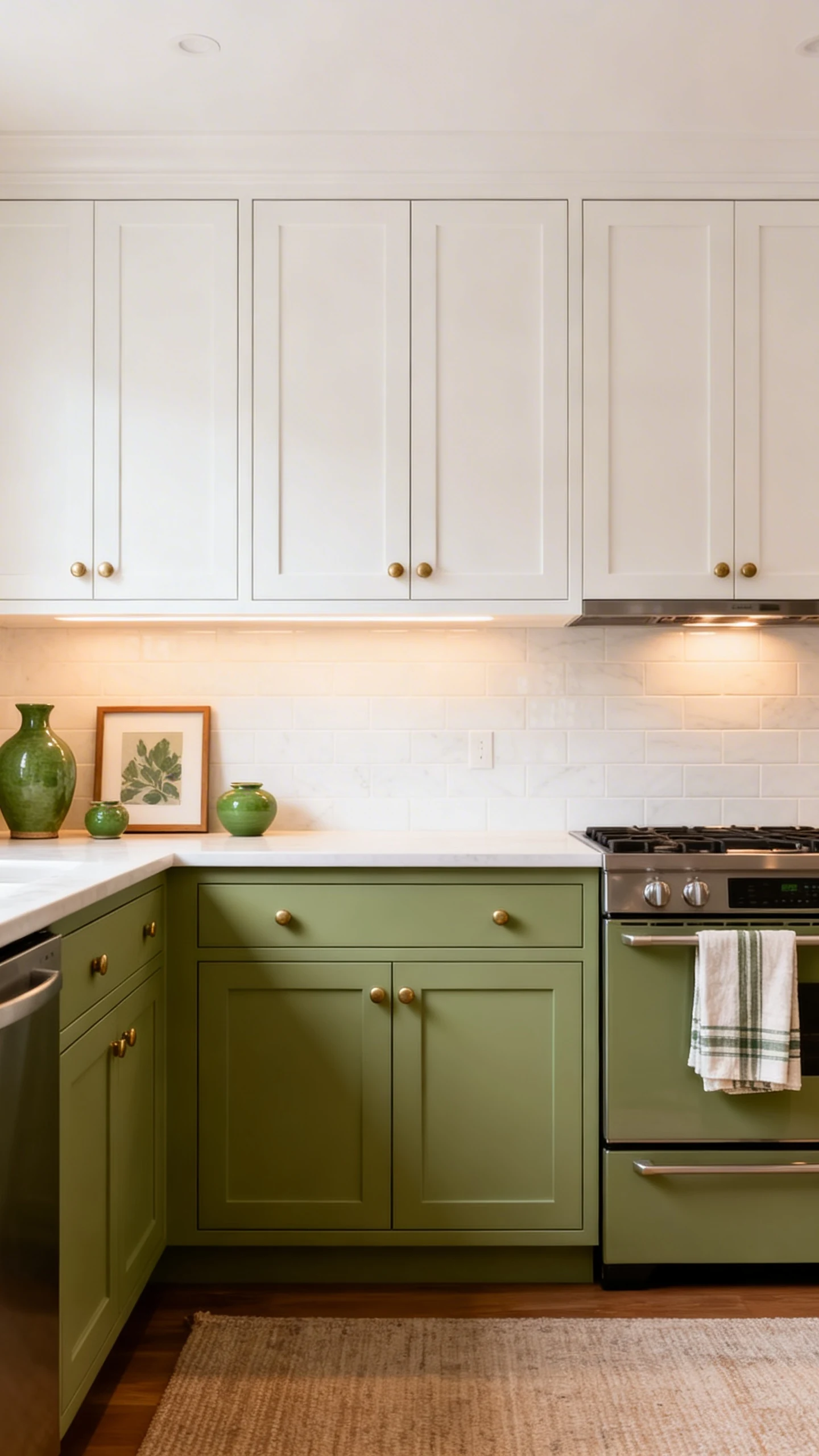
Can’t decide? Don’t. Two-tone cabinets are a genius way to get the look of green without making it feel like the color took over your entire kitchen.
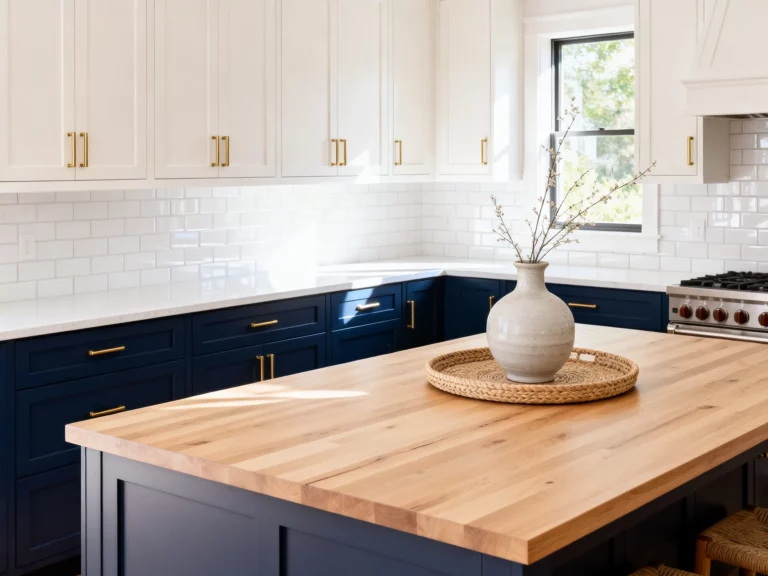
The most popular move is green lower cabinets with white or wood uppers. It anchors the room, keeps things bright, and feels very “yes, I watch renovation videos for fun.”
Two-Tone Combos That Always Work
Two-tone is where you can be a little adventurous without going full chaos. Pick one green and one calm partner, and you’re set.
- Sage lowers + warm white uppers for a soft, breezy look.
- Olive lowers + creamy uppers for a cozy, upscale vibe.
- Forest lowers + light oak uppers for a modern organic feel.
How To Make Two-Tone Look Intentional
Two-tone can look amazing, or it can look like you ran out of paint. The difference is repeating finishes and keeping transitions clean.
- Repeat the green in small decor accents (art, textiles, ceramics).
- Keep hardware consistent across both tones for cohesion.
- Choose a backsplash that connects both colors (warm white tile, stone, subtle pattern).
One more thing: if your kitchen is small, two-tone helps it feel taller and lighter. Translation: it’s basically free optical illusion magic.
5. The “Green Island or Pantry Pop” Low-Risk Glow-Up
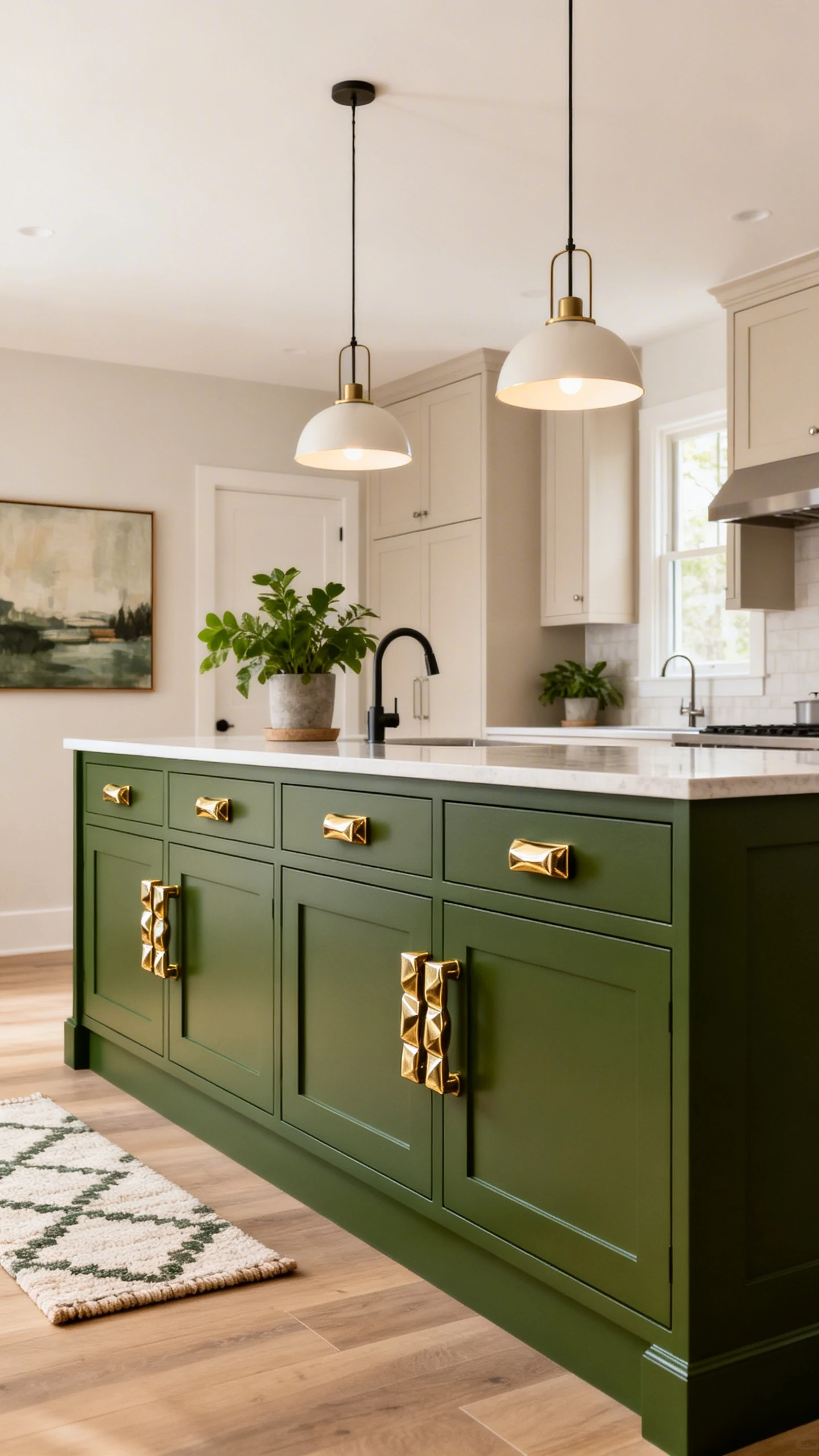
Not ready to paint every cabinet green? Totally valid. The easiest entry point into kitchen cabinet green color ideas is doing green on a single statement area—like the island, a pantry wall, or just the lowers.
This is perfect if you’re indecisive, renting (with permission), or just not in the mood to make your entire kitchen a “project.” Because honestly, some of us have hobbies. Some of us have laundry piles.
Best Places To Add Green Without Going All-In
Strategic green looks intentional, polished, and just bold enough to feel fun. It’s the home decor equivalent of a statement shoe.
- Kitchen island cabinets: instant focal point, especially with pendants above.
- Pantry door or pantry built-ins: a hidden surprise that feels custom.
- Base cabinets only: balanced look, less visual weight up top.
Make the Accent Feel “Designer”
If you’re only painting one zone, you want it to look like a decision, not an accident. Add a few details that make the moment feel finished.
- Upgrade to statement hardware on the green area (like chunky pulls or a luxe finish).
- Consider a slightly deeper shade than you’d use everywhere—olive or forest works great.
- Tie it together with coordinating accessories (rugs, art, greenery) but keep it subtle.
And yes, you can absolutely do green just on the island and still tell people you “went green with the cabinets.” Technically true, and technically hilarious.
Green cabinets are one of those choices that can look fresh, cozy, modern, vintage, or wildly sophisticated depending on the shade. Pick the vibe you want first, then match the green to that energy.
If you’re stuck, start small with an island or go two-tone. Either way, you’ll get that “custom kitchen” look without needing a full-blown renovation meltdown.