17 DIY Plaster Wall Art Ideas That Look Minimal And Expensive
DIY plaster wall art is one of the easiest ways to bring texture, depth, and a quiet gallery-like feeling into a room without relying on busy prints or expensive framed pieces. These plaster wall art ideas work especially well in living rooms, bedrooms, entryways, dining corners, and home offices where a neutral focal point can make the space feel more intentional. With simple materials like joint compound, plaster, canvas, wood panels, palette knives, and matte paint, you can create minimal pieces that look custom, sculptural, and high-end.
1. White Textured Canvas With Soft Palette Knife Movement
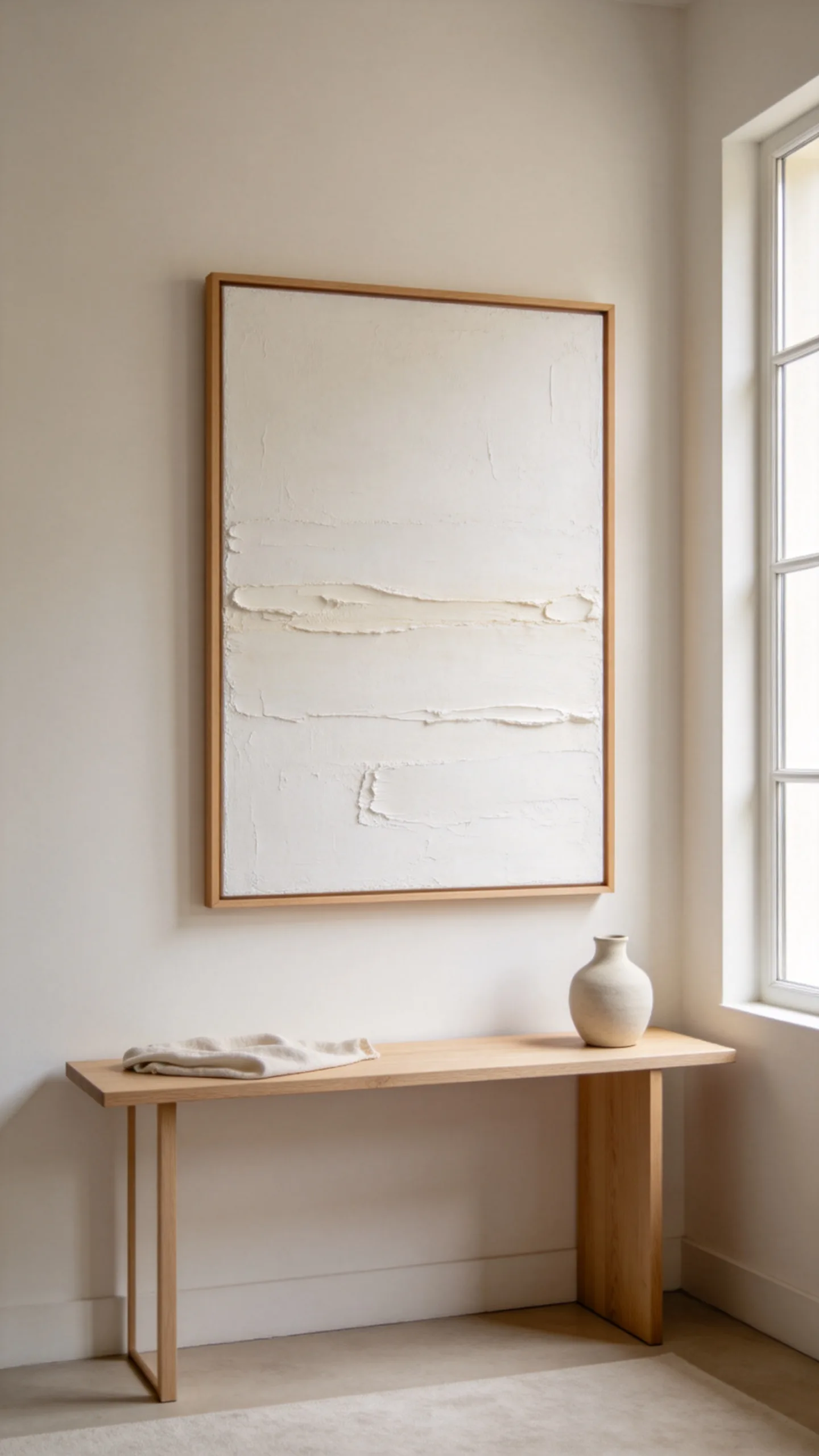
A white plaster canvas with subtle palette knife marks is one of the most timeless plaster wall art ideas for a minimal living room or bedroom. Start with a stretched canvas or wood panel, then spread joint compound or plaster in loose horizontal and vertical strokes. Keep the movement soft rather than dramatic so the piece feels calm and expensive instead of overly crafty.
This style works beautifully above a linen sofa, upholstered bed, or slim console table because it adds texture without introducing a strong color palette. For a polished look, paint the entire piece in warm white, ivory, or soft stone and pair it with a thin natural wood or black floating frame. The texture will catch light from a nearby floor lamp, picture light, or window, giving the wall quiet dimension.
2. Minimal Arch Relief Plaster Art
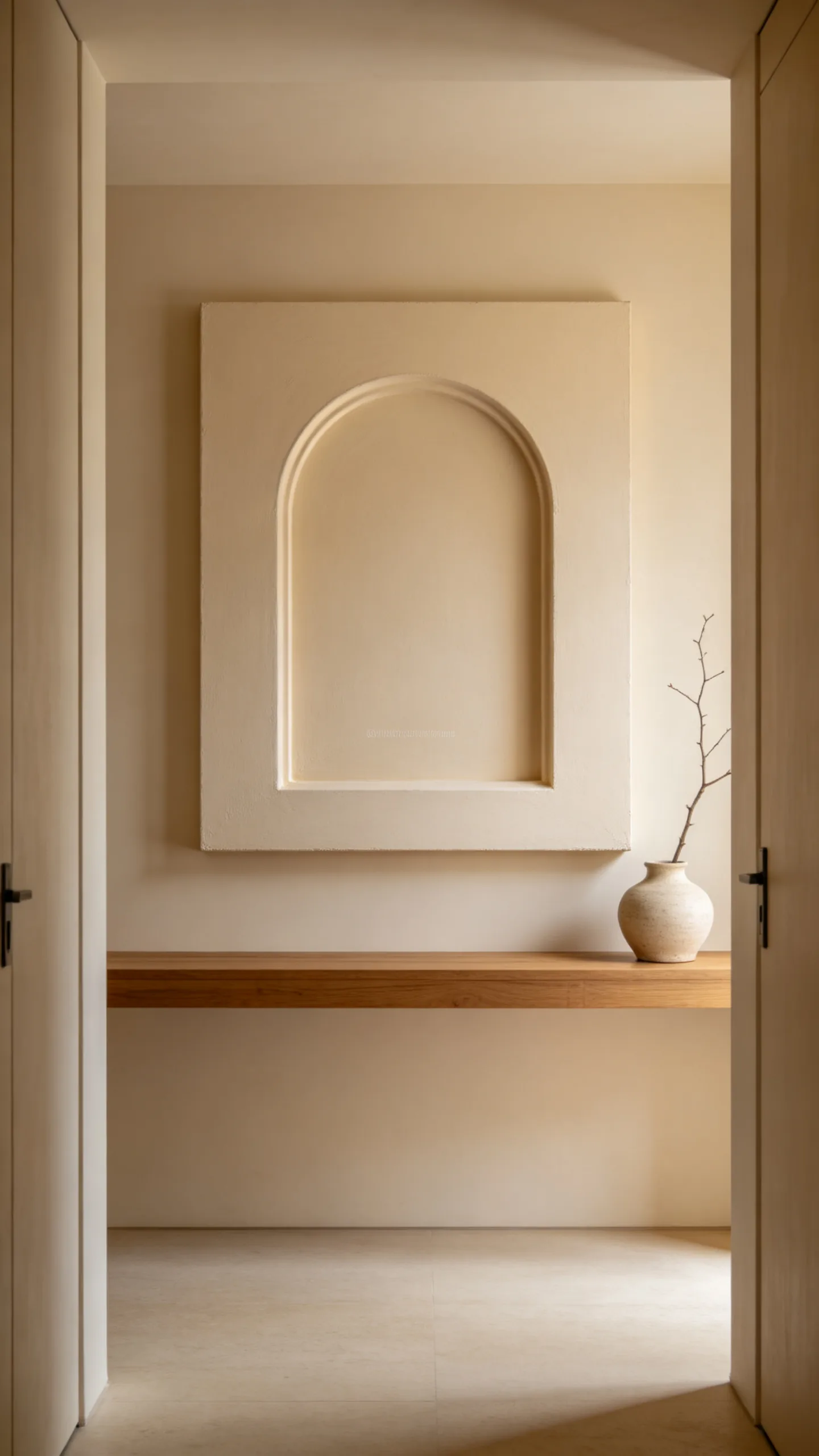
A raised plaster arch creates an architectural look that feels custom, especially in an entryway, hallway, or bedroom. Use painter’s tape or a cardboard template to mark a clean arch shape on a canvas or MDF panel, then build up the arch with plaster while keeping the surrounding background smooth. The raised edge gives the art a subtle shadow line that looks sculptural.
For a minimalist finish, paint the full piece one color rather than outlining the arch in contrast. Warm beige, chalk white, greige, or clay tones work well with oak furniture, boucle chairs, and neutral rugs. Hang it above a narrow console or nightstand to echo the shape of arched doorways, mirrors, or curved furniture.
3. Oversized Plaster Panel Above The Sofa
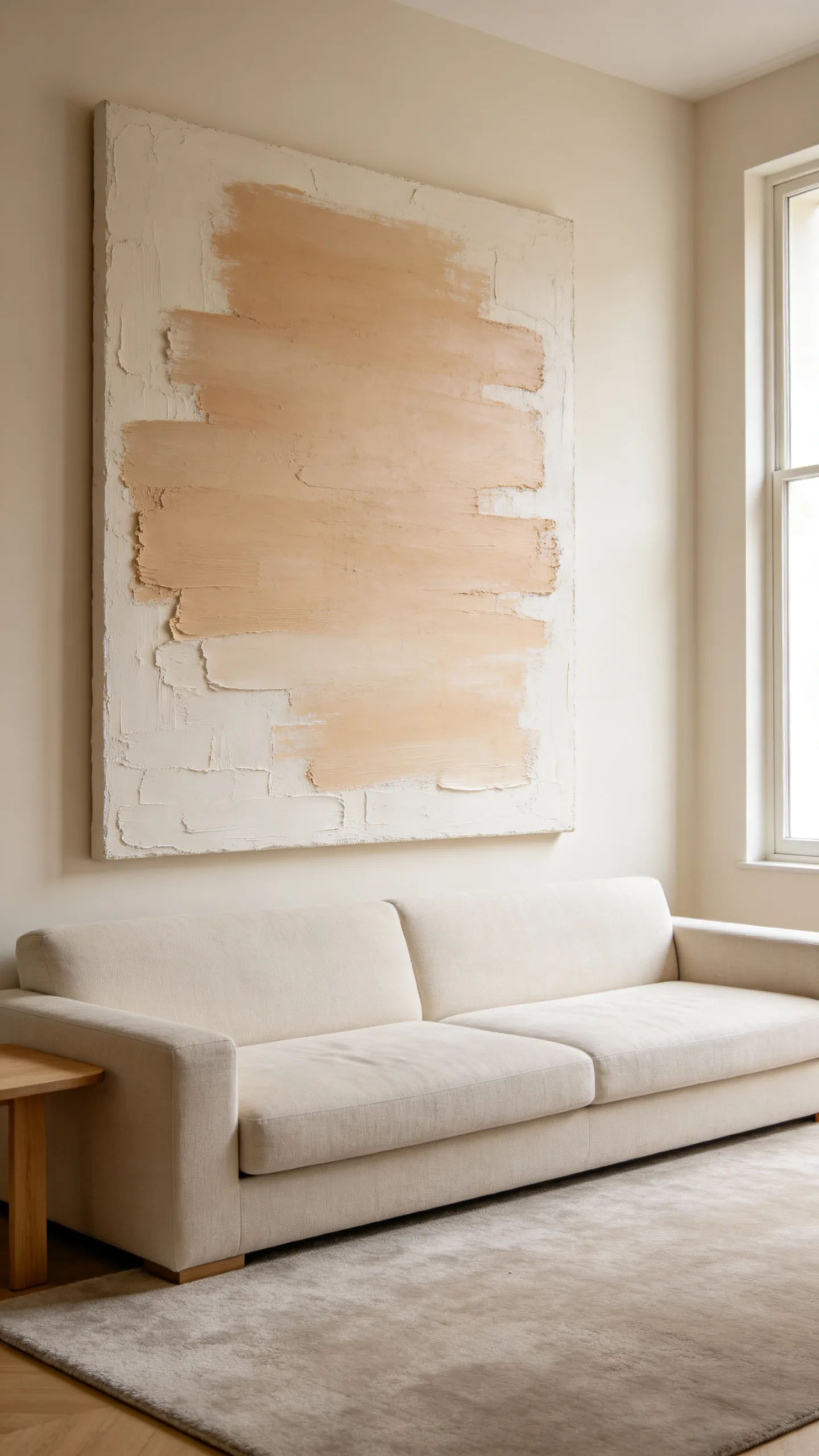
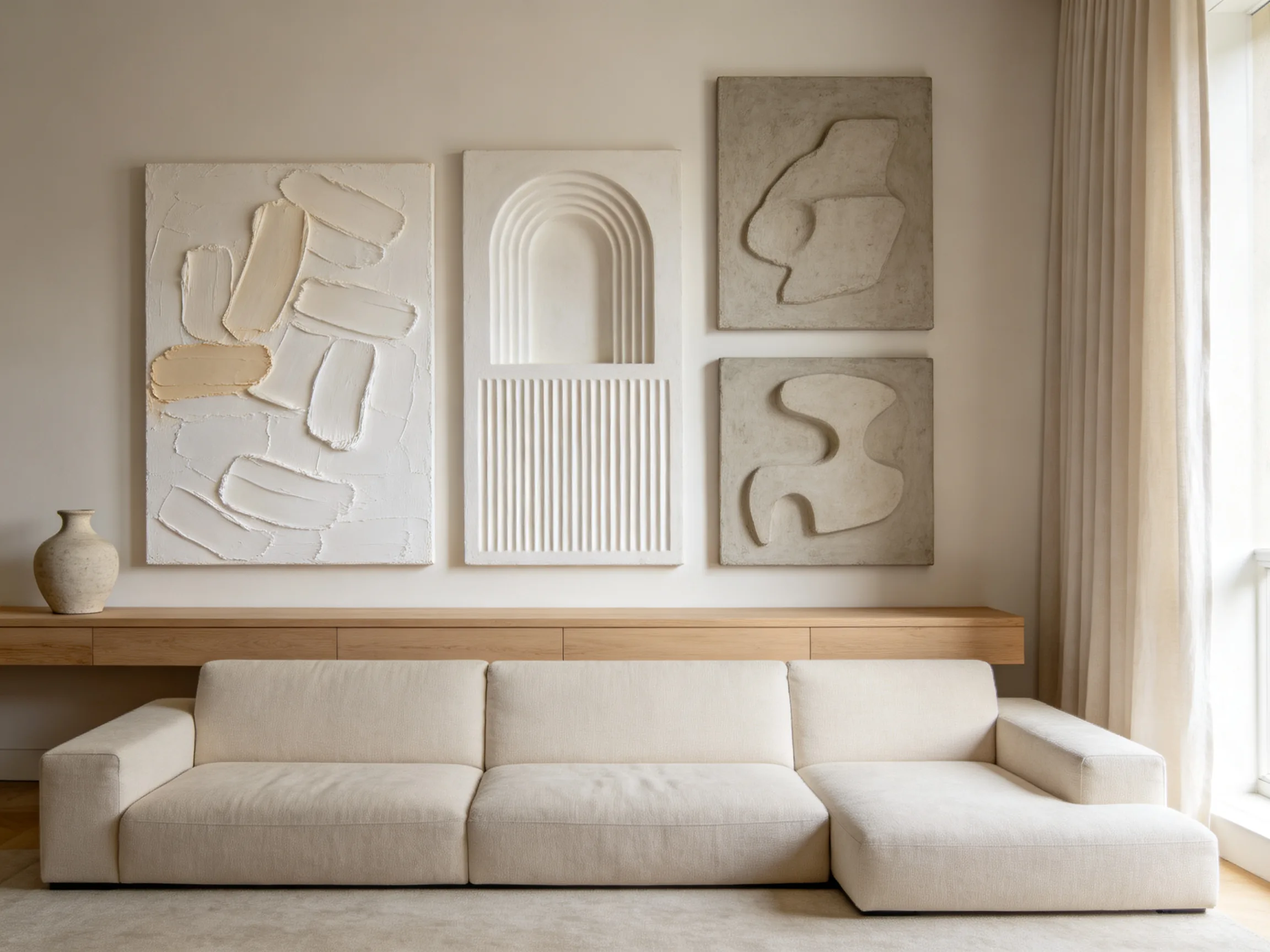
An oversized plaster panel can make a living room feel more finished without needing a gallery wall. Choose a large canvas or plywood board that spans roughly two-thirds the width of your sofa. Apply plaster in broad, controlled strokes, keeping the design simple so the scale feels elegant rather than chaotic.
This idea is especially useful in rooms with plain white walls, low-profile sofas, or minimal furniture because the artwork becomes the main focal point. A large piece also reduces visual clutter compared with several smaller frames. Keep the color close to the wall shade for a tone-on-tone effect, or choose a slightly warmer neutral to add depth behind the seating area.
4. Plaster Line Art On A Neutral Background
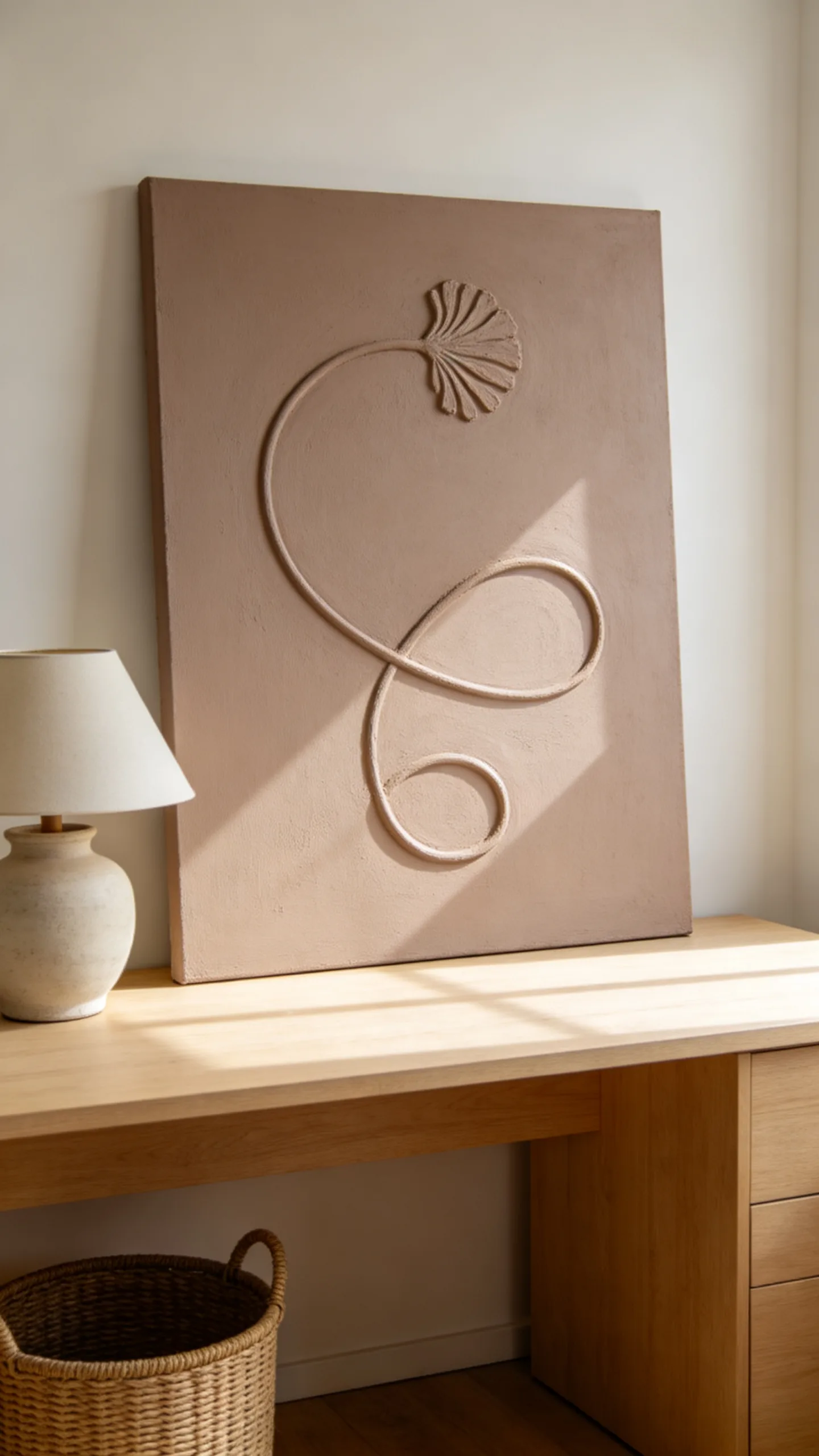
Plaster line art gives a minimalist drawing a dimensional upgrade. Instead of using black ink or printed linework, sketch a simple face, botanical stem, abstract curve, or continuous loop onto a painted canvas, then trace it with thick plaster using a piping bag, small spatula, or squeeze bottle. Once dry, paint the whole piece in one matte color.
This works well in bedrooms, home offices, and reading corners where you want art that feels soft but still interesting up close. A single raised line on a taupe, cream, or mushroom background pairs nicely with linen bedding, wood desks, ceramic lamps, and woven baskets. Keep the drawing spare so the raised plaster detail remains the focus.
5. Two-Panel Diptych With Matching Plaster Texture
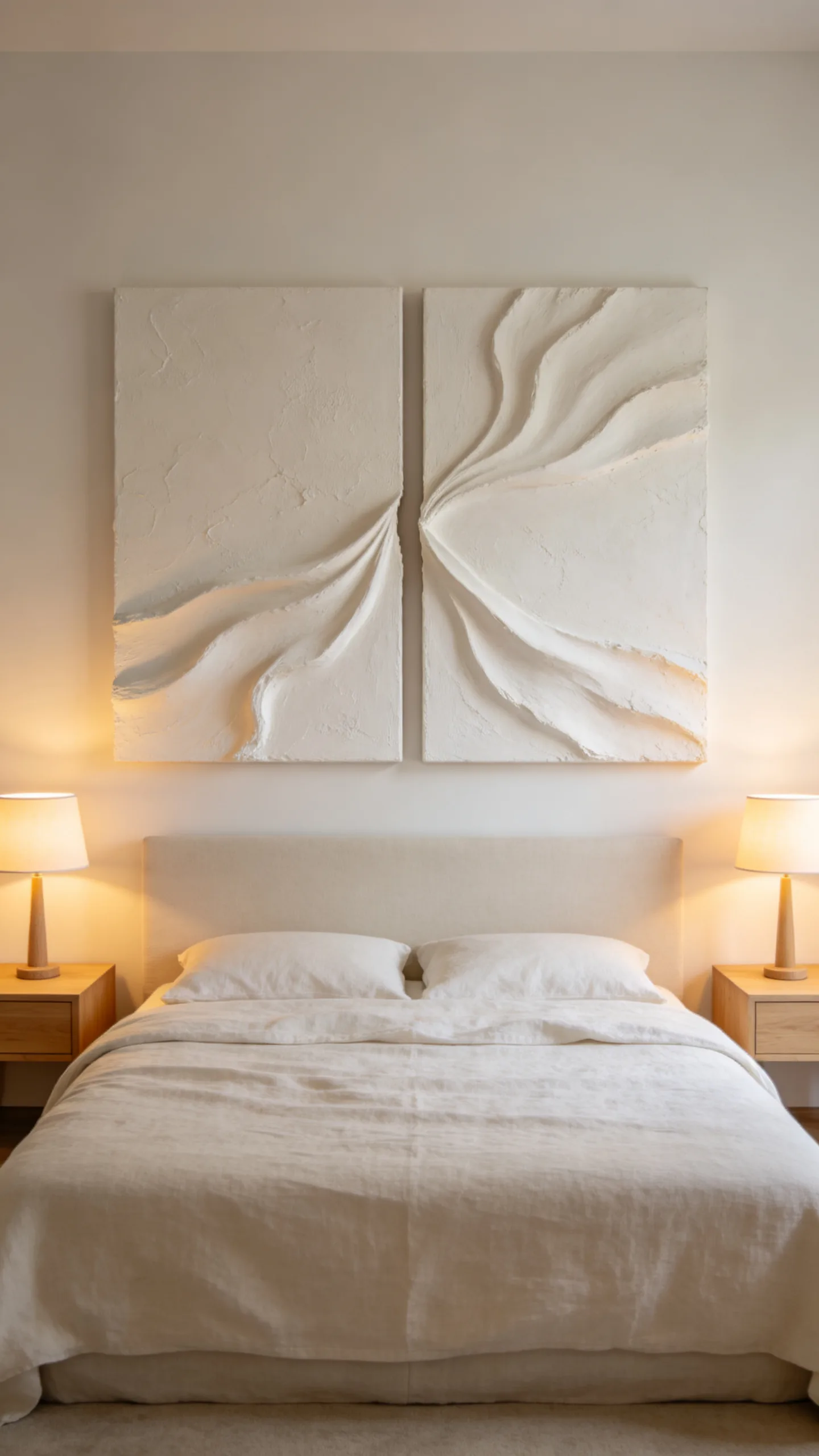
A plaster diptych is a pair of coordinating panels that look intentional when hung side by side. Use two canvases of the same size and apply plaster so the texture flows across both pieces, almost like one artwork split in half. You can create sweeping diagonal strokes, soft waves, or layered vertical ridges.
This is a smart choice above a bed, dining bench, or long sideboard because the two panels fill horizontal wall space without feeling heavy. Leave a small, even gap between the canvases to create a gallery-style installation. Paint both pieces the same warm white or stone shade, and keep the frame simple so the texture reads as the expensive detail.
6. Raised Plaster Circle On A Square Canvas
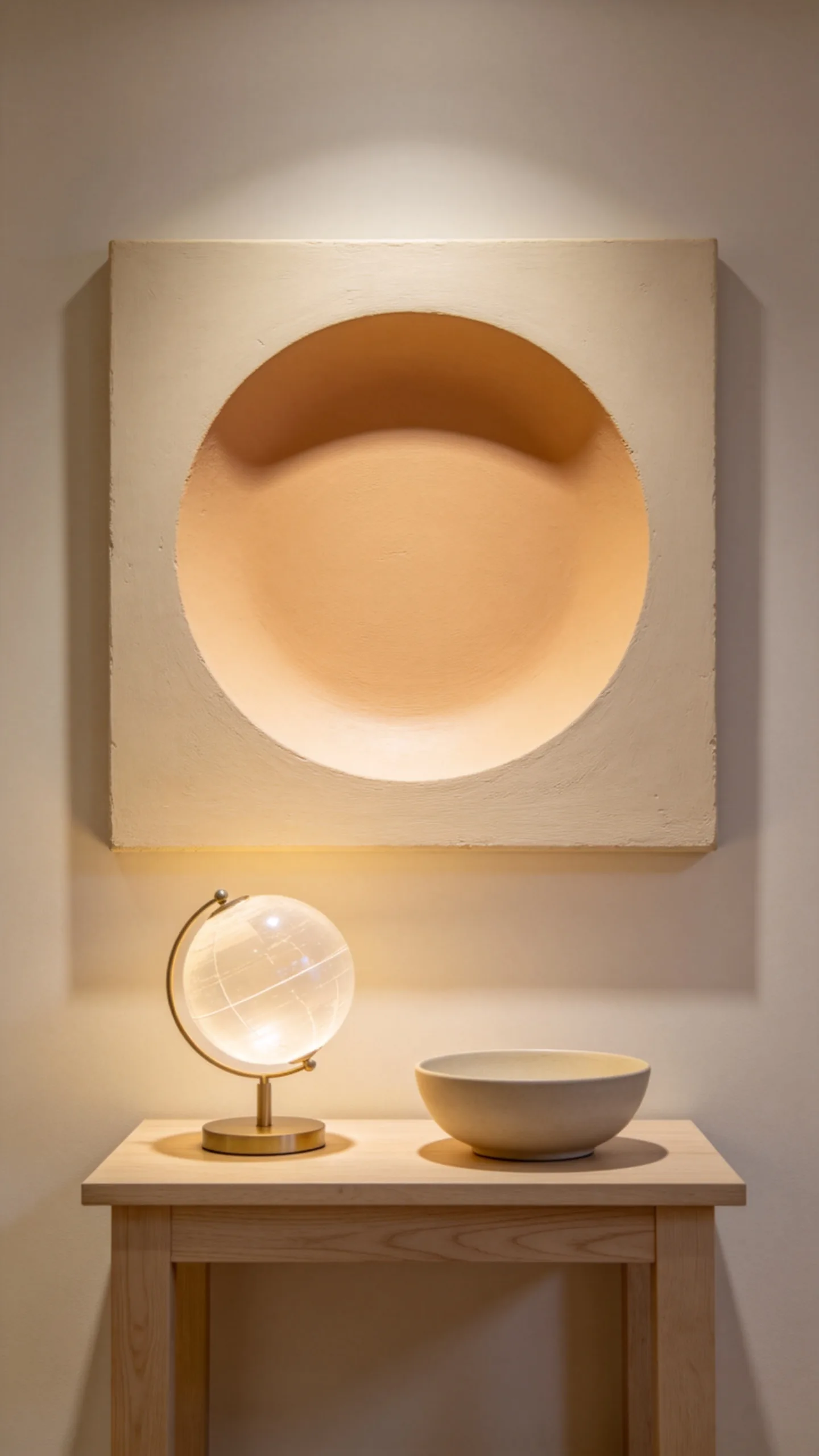
A raised circle on a square canvas feels balanced, modern, and easy to style. Mark a circle in the center of the canvas using a bowl, plate, or compass, then apply plaster inside the shape with a smooth edge or lightly textured surface. The contrast between the geometric circle and square background gives the piece a clean designer look.
This idea works well over a small dresser, entry table, powder room shelf, or accent chair. For a subtle high-end finish, paint the canvas and raised circle the same color so the shape appears through shadow rather than contrast. If your room has round mirrors, globe lamps, or curved side tables, this artwork can repeat those shapes and make the space feel more cohesive.
7. Neutral Plaster Art With Vertical Ribbed Texture
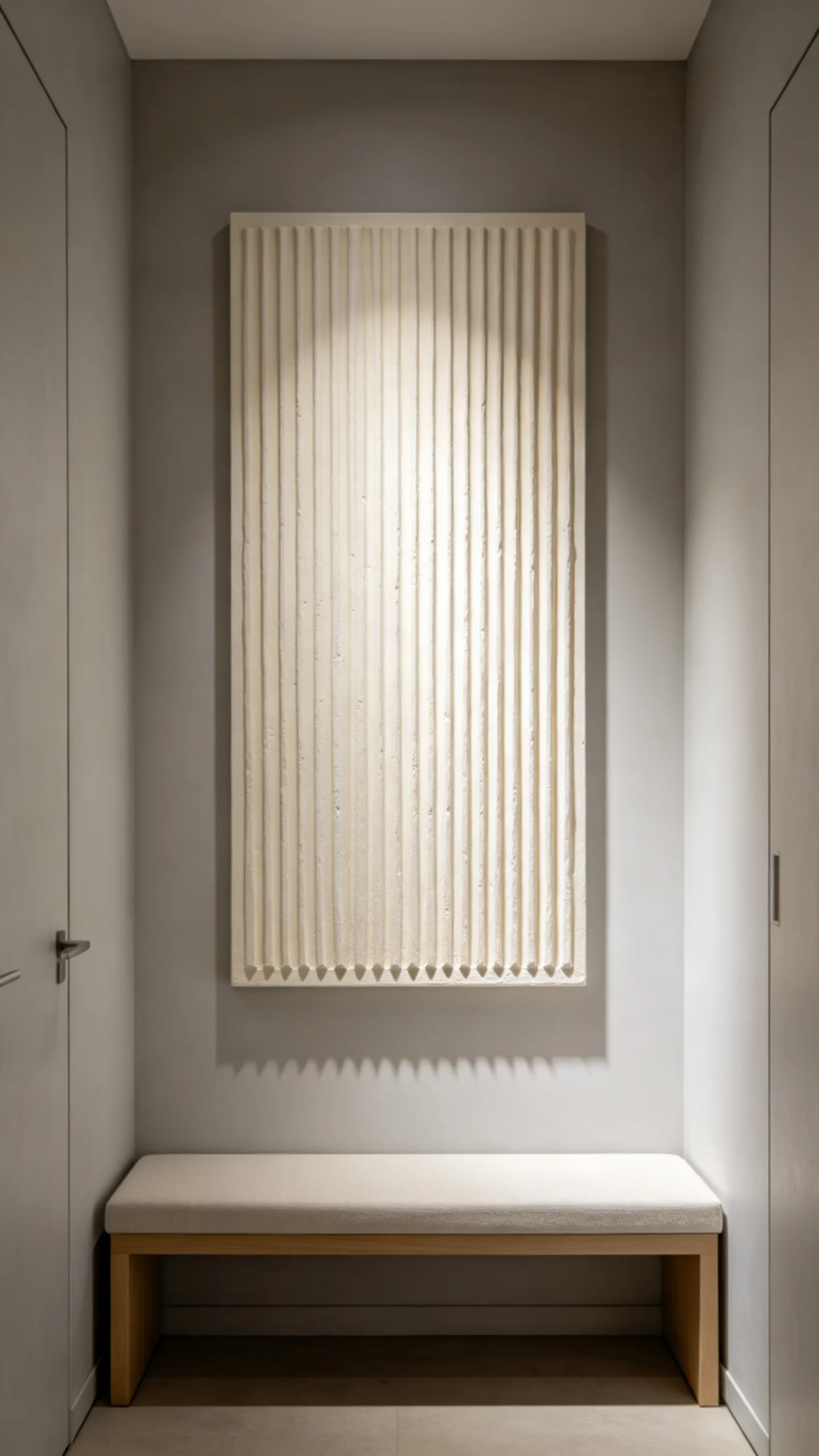
Vertical ribbed plaster texture is ideal for making a room feel taller and more refined. Use a notched trowel, comb tool, or the edge of a plastic scraper to pull plaster in straight vertical lines across the canvas. The repeated grooves create rhythm without needing pattern or color.
This style is especially useful in small entryways, compact bedrooms, or apartments with low ceilings because the vertical movement draws the eye upward. Hang the piece above a bench, slim console, or bedside table to add height to the wall. A matte cream or light gray finish keeps the texture looking architectural rather than rustic.
8. Organic Plaster Waves For A Calm Bedroom
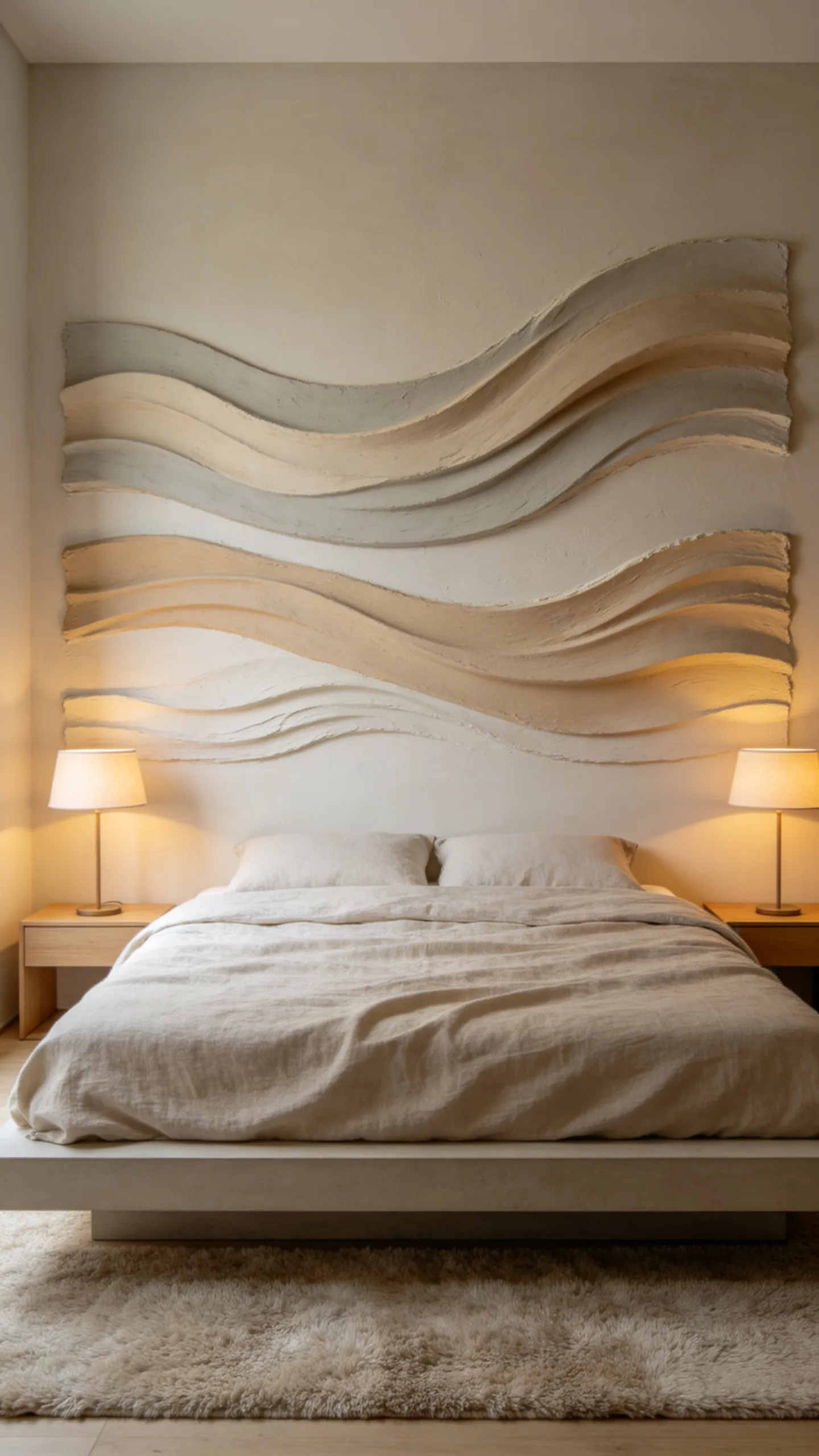
Soft plaster waves bring movement to a bedroom while keeping the mood restful. Apply plaster in long, flowing curves across the canvas using a palette knife or flexible scraper. Avoid sharp peaks and heavy ridges if you want the finished piece to feel serene and expensive.
Place this artwork above a bed with linen bedding, a wool rug, and warm bedside lamps. The curved texture can soften a room with straight-lined furniture, such as a platform bed or square nightstands. Paint it in a muted shade like oatmeal, bone, sand, or pale greige so the shadows create the interest.
9. Plaster Botanical Relief On Linen-Toned Canvas
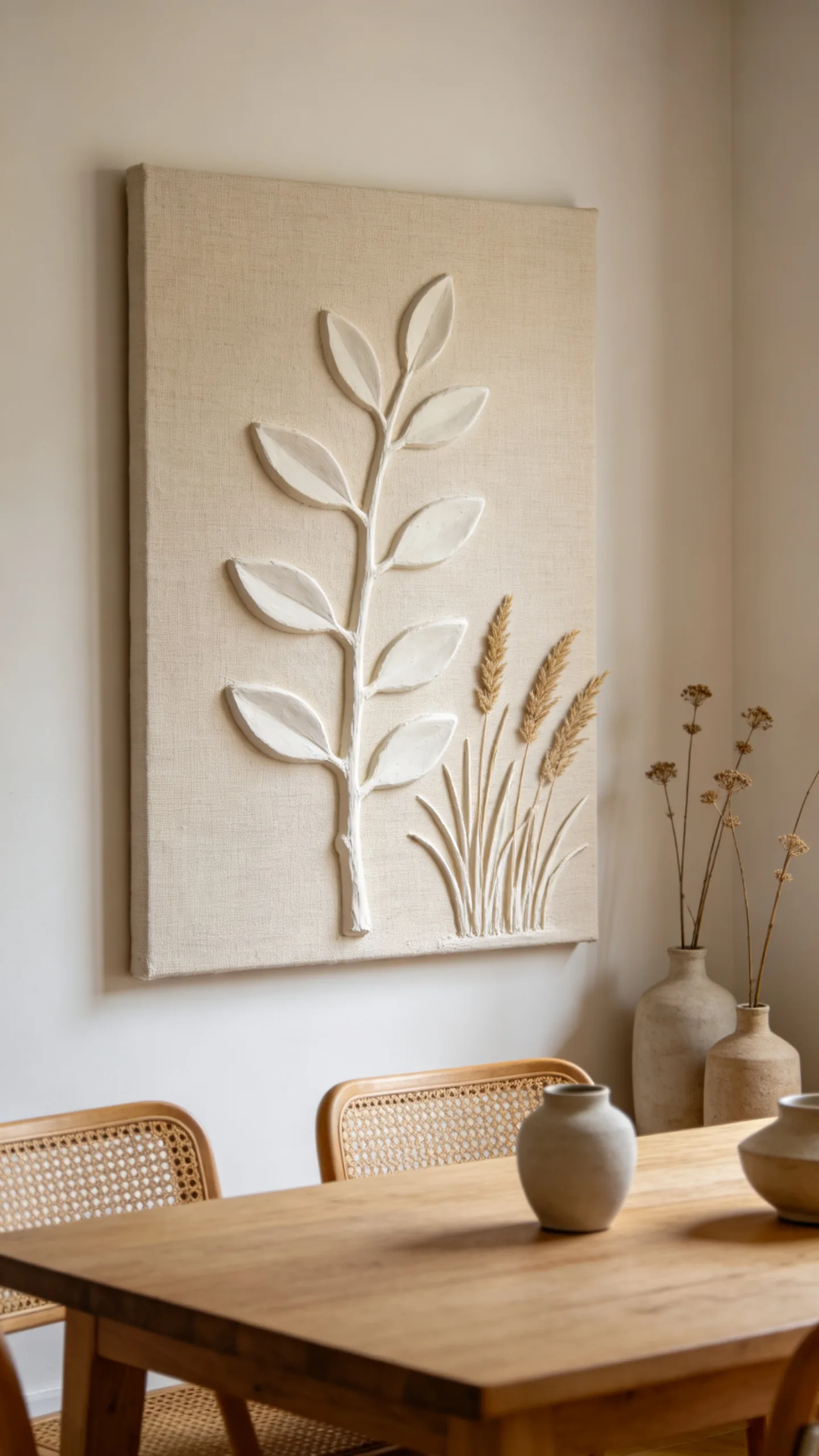
A plaster botanical relief adds a natural detail without using busy floral prints. Sketch a simple branch, leaf stem, or dried grass shape onto a canvas, then build the form with plaster using a small spatula or piping tip. Keep the leaves elongated and minimal for a more elevated look.
This works beautifully in dining rooms, kitchens, bedrooms, or sunrooms where natural textures already appear through wood, stone, rattan, or linen. Paint the finished piece in a single neutral color, or use a slightly darker linen-toned background with a raised ivory botanical shape. Pair it with ceramic vases or dried stems nearby to repeat the organic theme.
10. Framed Plaster Art On A Wood Panel
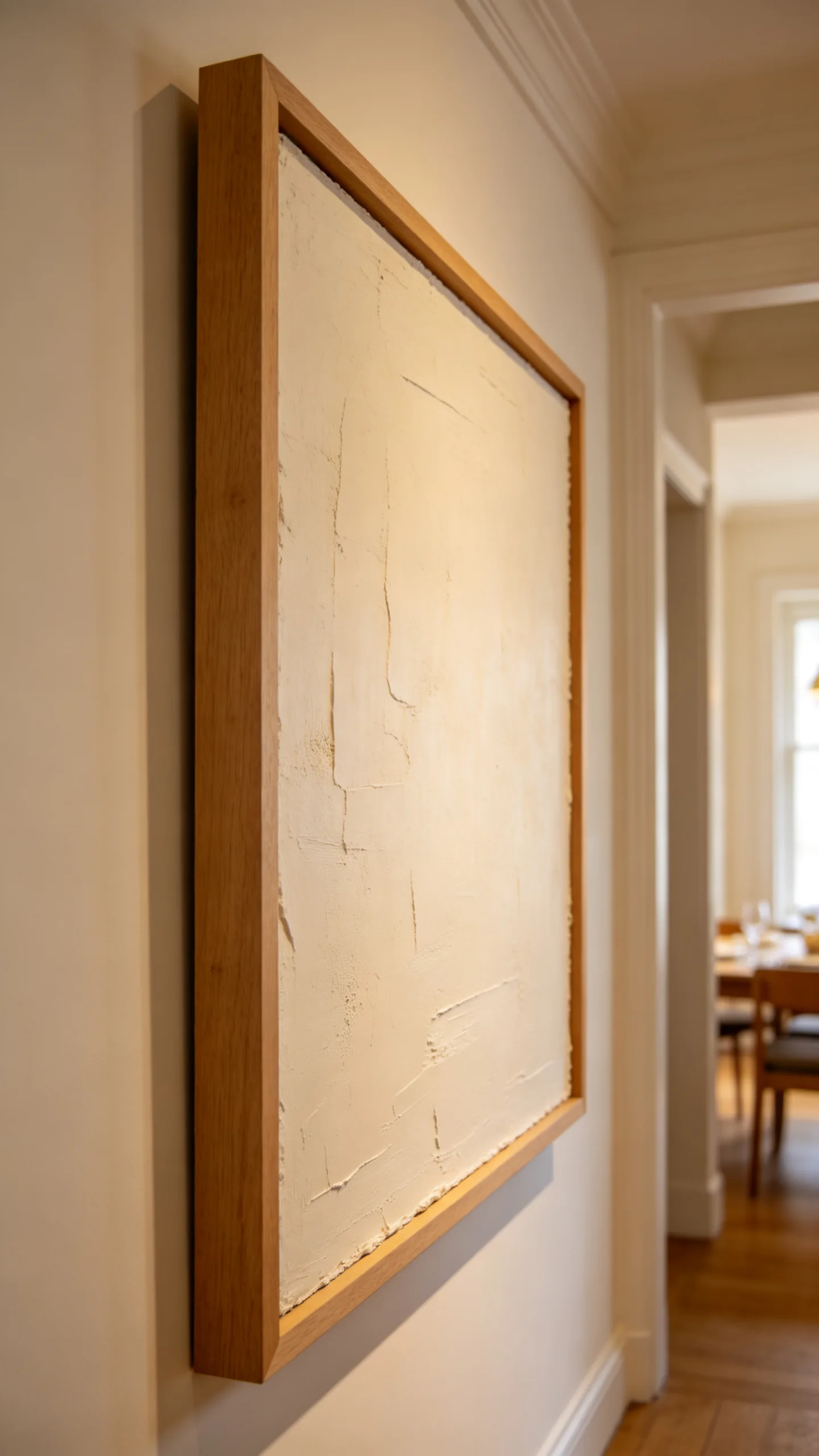
Using a wood panel instead of canvas gives plaster wall art a more substantial, custom feel. Apply plaster directly to a sanded plywood or MDF panel, then add a simple frame made from pine trim, oak strips, or a ready-made floating frame. The solid backing helps the piece feel less like a craft project and more like a gallery object.
This idea is perfect for a living room, hallway, or dining area where the artwork will be viewed up close. A natural wood frame adds warmth to white or cream plaster, while a thin black frame creates a sharper modern edge. Keep the plaster design simple—soft trowel marks, one raised shape, or subtle ridges—so the frame and texture feel intentional together.
11. Monochrome Plaster Art In A Dark Neutral
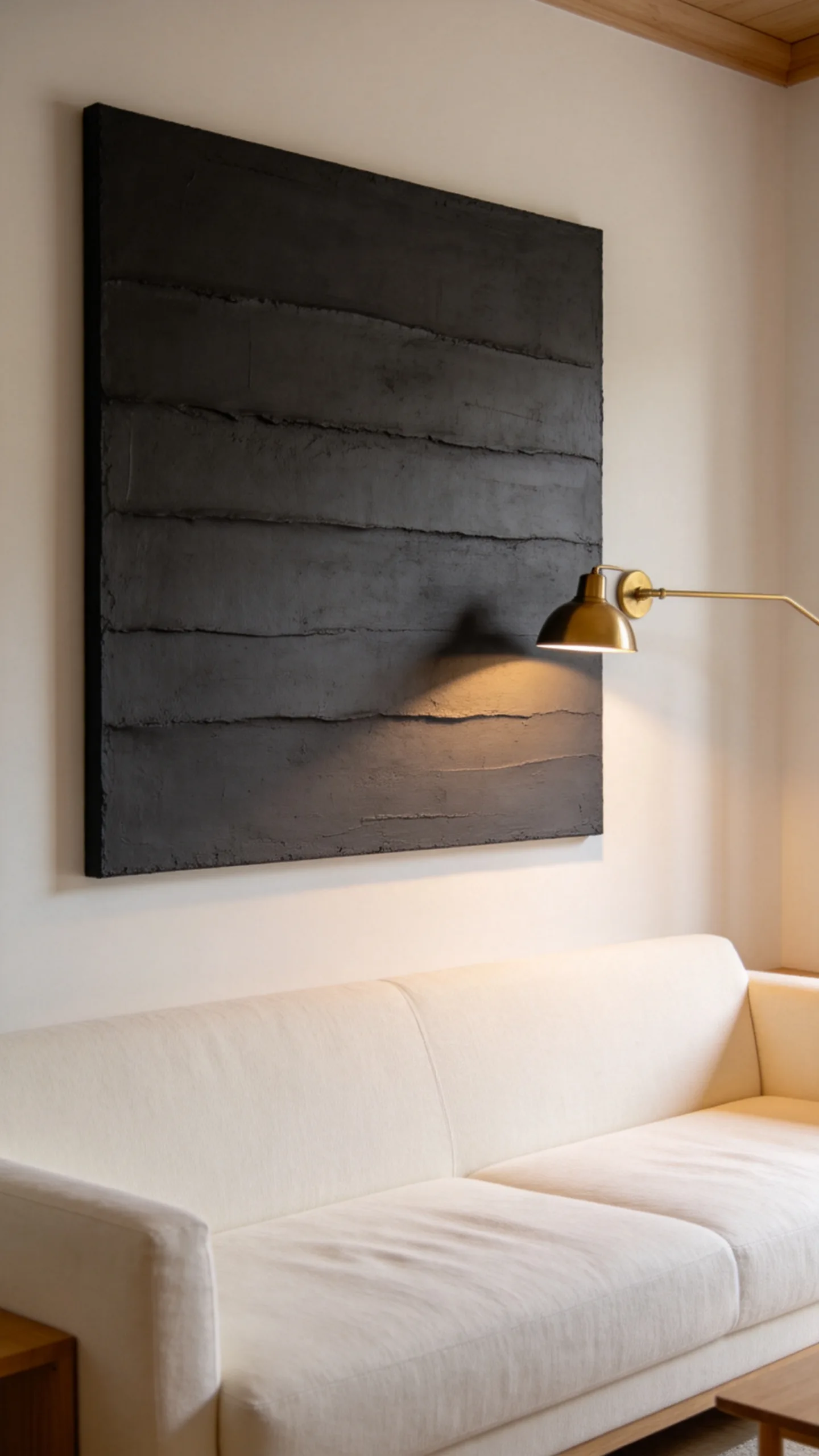
Plaster wall art does not have to be white to look minimal. A charcoal, deep taupe, espresso, or warm black plaster piece can add contrast to a pale room while still feeling restrained. Apply plaster texture first, allow it to dry, then paint the entire surface in a matte dark neutral.
This is a strong choice above a light sofa, cream upholstered bed, or pale oak sideboard. The dark color emphasizes every ridge and shadow, so keep the texture controlled and not too thick. Add warm lighting nearby, such as a brass sconce or table lamp, to highlight the surface and prevent the piece from looking flat.
12. Plaster Grid Art With Subtle Raised Squares
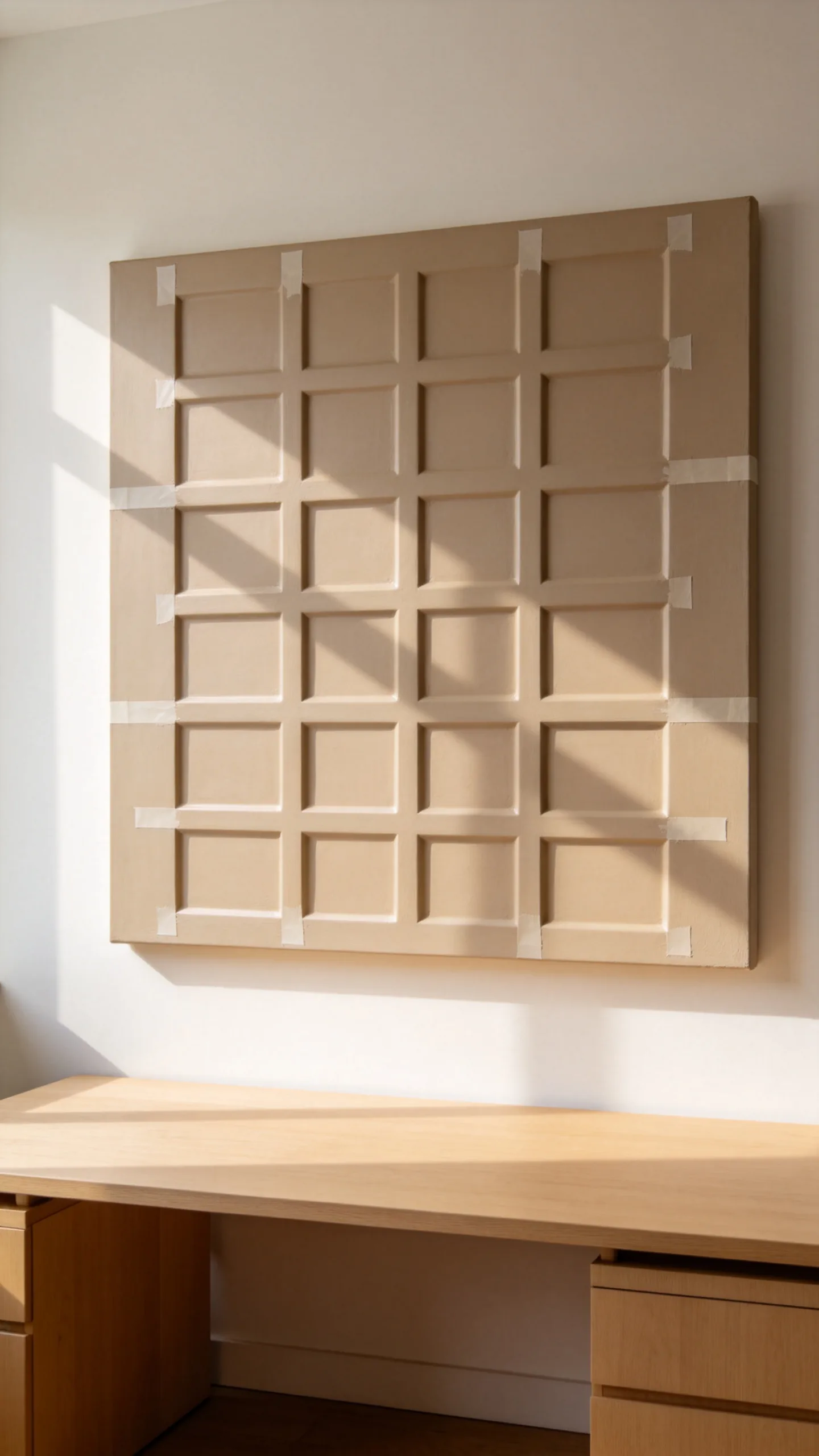
A raised plaster grid creates a quiet architectural pattern that works well in modern and transitional interiors. Use painter’s tape to divide a canvas into equal squares or rectangles, then apply a thin layer of plaster inside each section. Remove the tape before the plaster fully hardens to reveal clean recessed lines.
This idea looks especially polished in a home office, dining room, or hallway because it has structure without feeling busy. Paint the entire piece in one color so the grid appears through shadow and relief. A large square format works well above a desk, while a horizontal rectangle can balance a long dining table or console.
13. Plaster Art With A Smooth Border And Textured Center
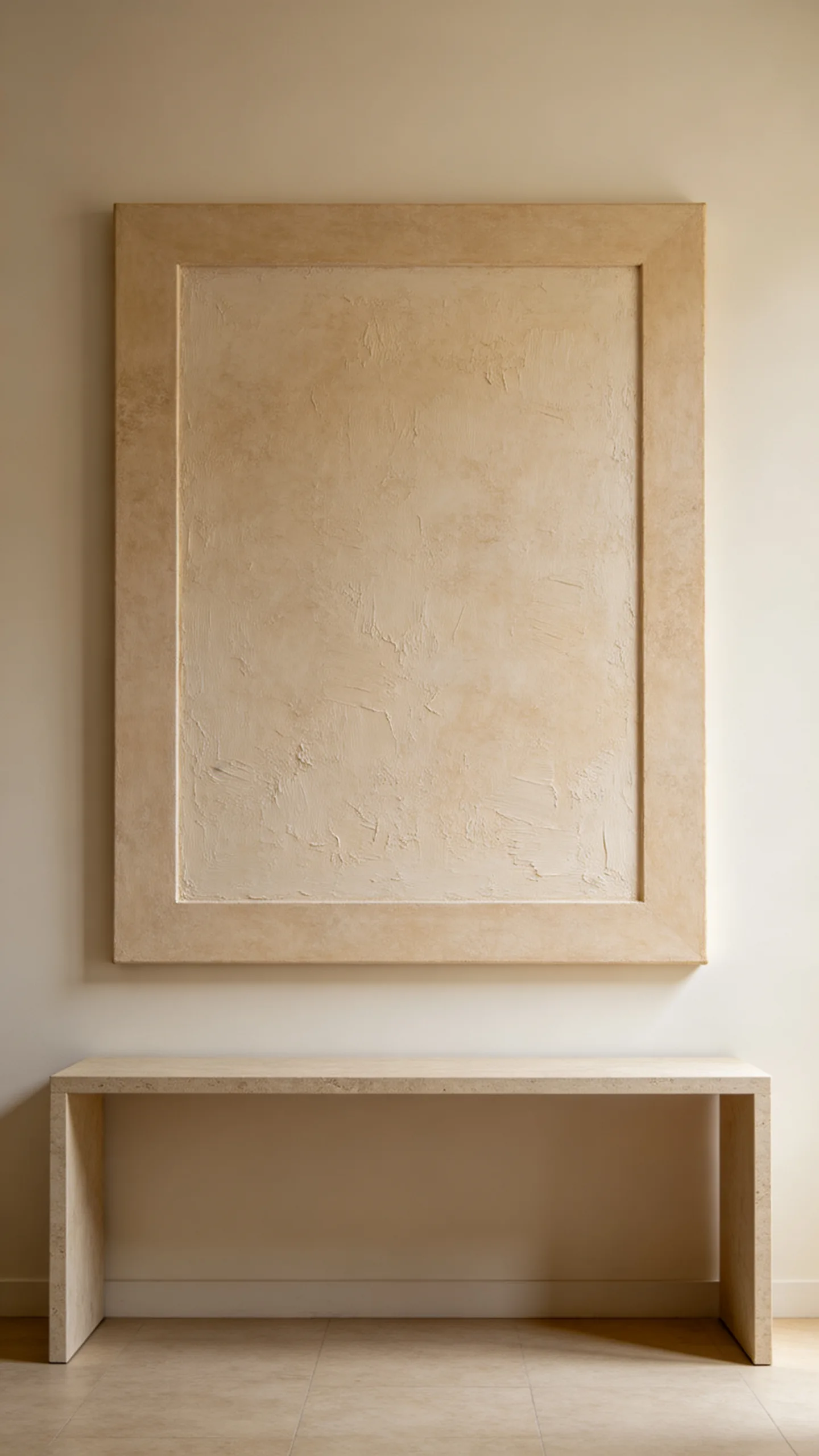
Leaving a smooth border around a textured center makes DIY plaster art look more deliberate. Tape off a clean margin around the canvas, then apply plaster only within the center area. Use palette knife marks, soft ridges, or circular trowel movement inside the taped section, then remove the tape for a crisp frame-like edge.
This design works well when you want a finished look without adding an actual frame. It is especially useful for rental bedrooms, small living rooms, or narrow hallways where heavy frames may feel bulky. Paint the full surface in a warm neutral so the smooth border acts like negative space around the textured focal point.
14. Abstract Plaster Landscape In Muted Neutrals
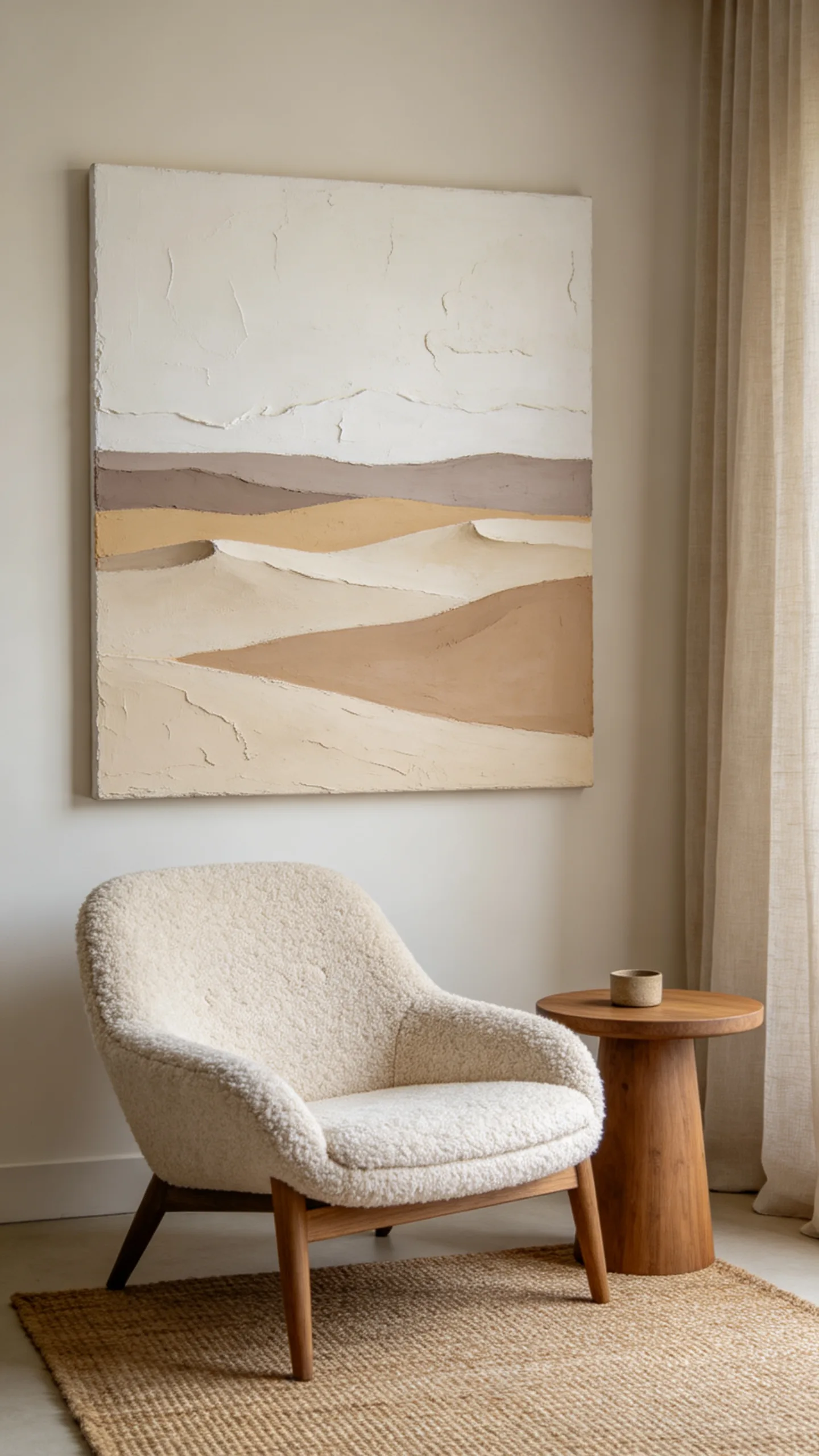
An abstract plaster landscape can suggest hills, dunes, water, or horizon lines without becoming too literal. Use layered plaster to create low, horizontal shapes across the canvas, keeping the edges soft and slightly uneven. Once dry, paint the sections in tonal neutrals such as ivory, sand, beige, and taupe.
This type of artwork is ideal above a bed, reading chair, or dining banquette because the horizontal composition feels calm and grounding. It also pairs well with natural materials like oak, travertine, jute, and linen. Keep the palette limited to two or three shades so the piece remains minimal and expensive-looking.
15. Small Plaster Art Trio For A Narrow Wall
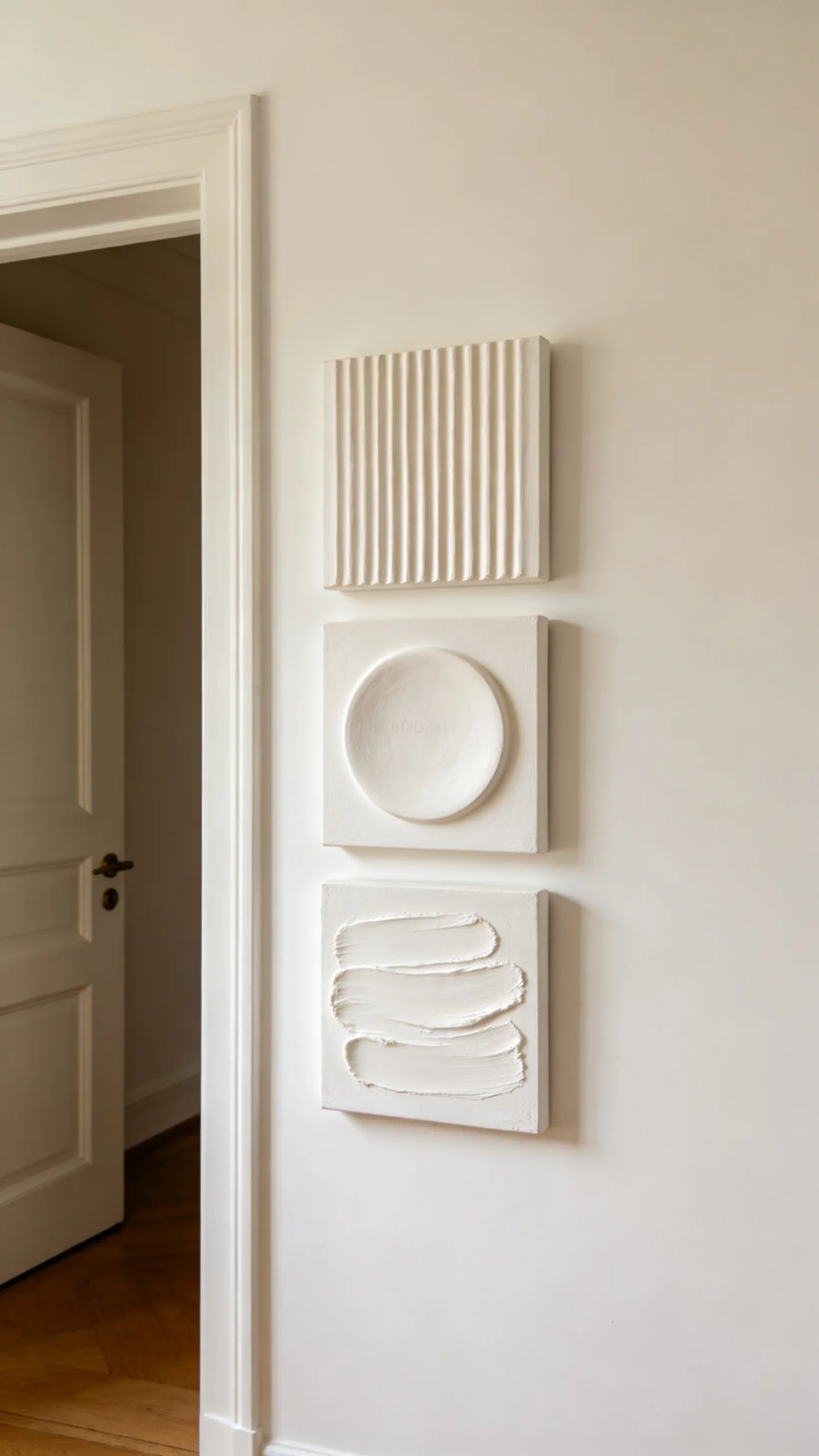
A trio of small plaster pieces is perfect for awkward walls, tight corners, or vertical spaces beside a doorway. Use three matching small canvases or panels and give each one a related texture, such as one with vertical lines, one with a raised circle, and one with soft palette knife strokes. Keeping the color palette identical makes the set feel cohesive.
This arrangement works well in entryways, powder rooms, kitchen nooks, or beside a wardrobe where one large piece may not fit. Hang the three pieces in a straight vertical stack to draw the eye upward, or arrange them in a horizontal row above a bench or small desk. Consistent spacing is what makes the set look polished.
16. Plaster Art With Embedded Fabric Texture
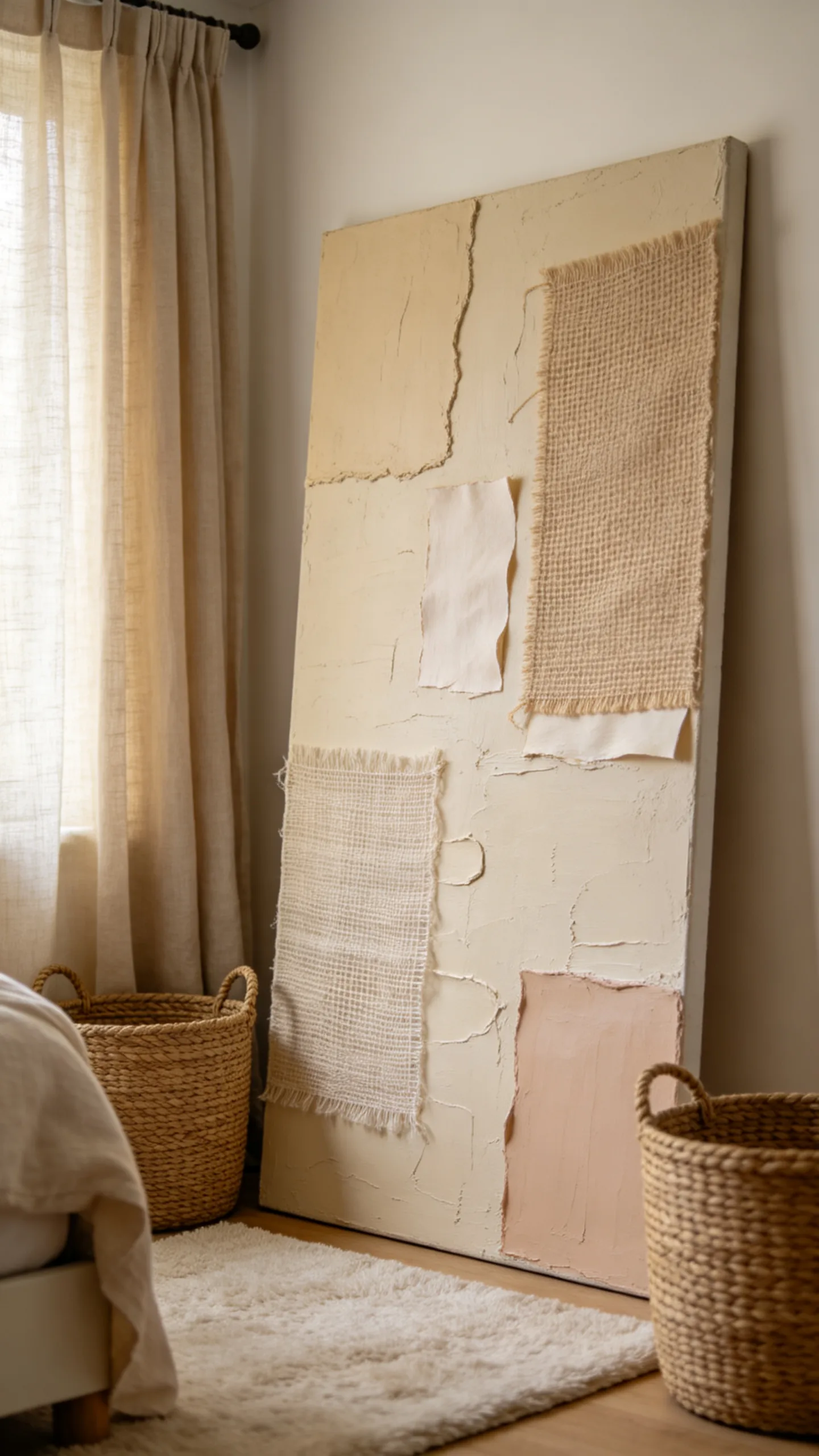
Pressing fabric into wet plaster creates a subtle woven texture that feels refined and tactile. Spread a thin layer of plaster onto a canvas or panel, press linen, burlap, cheesecloth, or gauze into the surface, then gently lift it away or leave small sections embedded. The result can look like stone, textile, or handmade paper depending on the material.
This idea is beautiful in bedrooms, laundry rooms, nurseries, or cozy living rooms because it adds softness to the wall. Use a matte paint color close to the surrounding decor, such as warm white, oatmeal, or pale clay. Pair it with linen curtains, woven baskets, or a textured rug so the artwork connects with other materials in the room.
17. Minimal Plaster Shelf-Style Relief Art
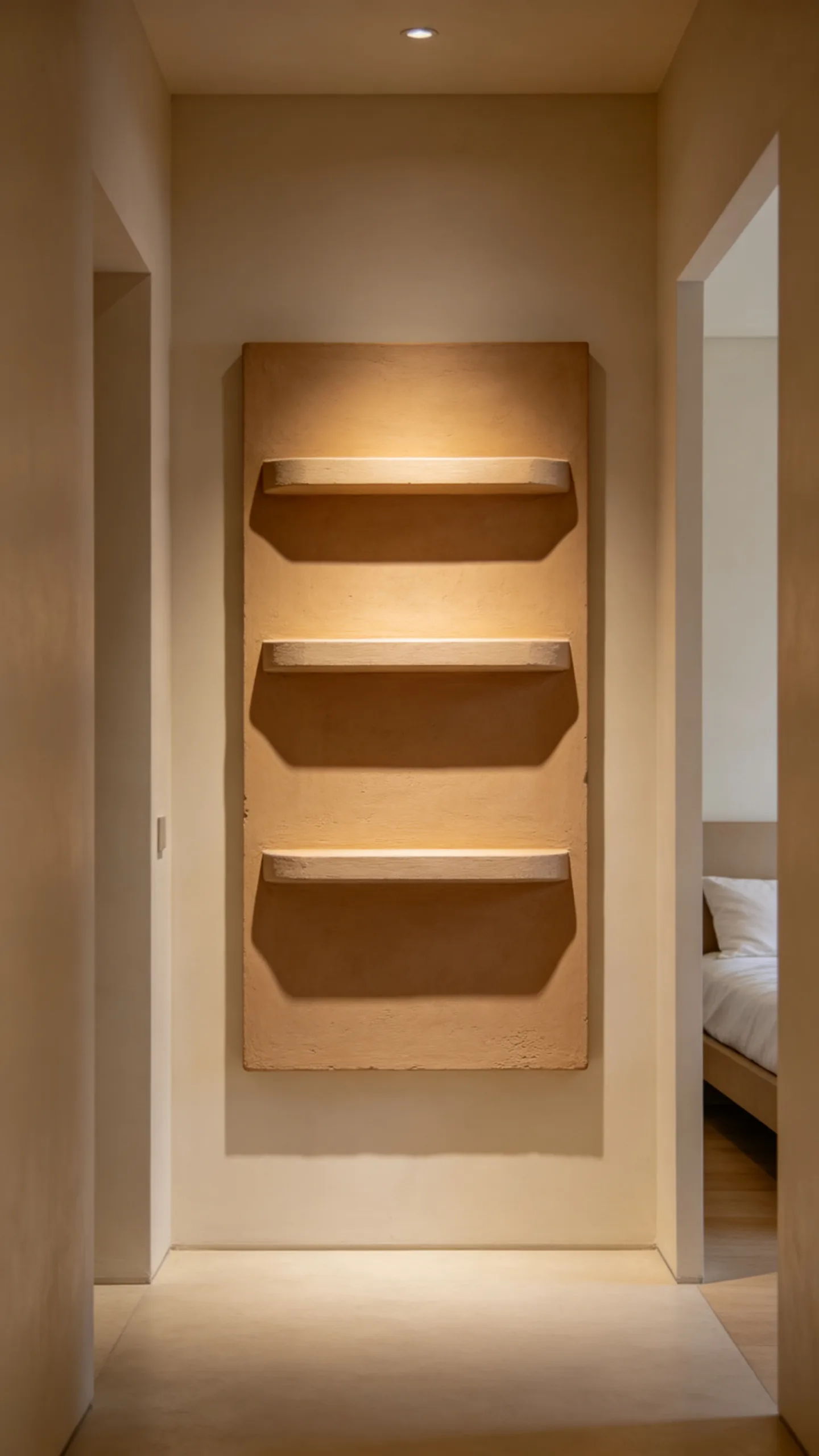
A shelf-style plaster relief uses raised horizontal ledges to create depth without adding objects to the wall. Build up two or three simple horizontal bands of plaster across a canvas or wood panel, smoothing the top edges so they resemble shallow architectural shelves or ledges. Keep the design asymmetrical for a more custom look.
This is a strong option for minimalist interiors where you want texture but do not want extra decor cluttering a shelf or console. Hang it in a living room, hallway, or bedroom where side lighting can cast shadows under the raised bands. Paint the entire piece in one matte neutral shade to keep the relief subtle, sculptural, and expensive-looking.